


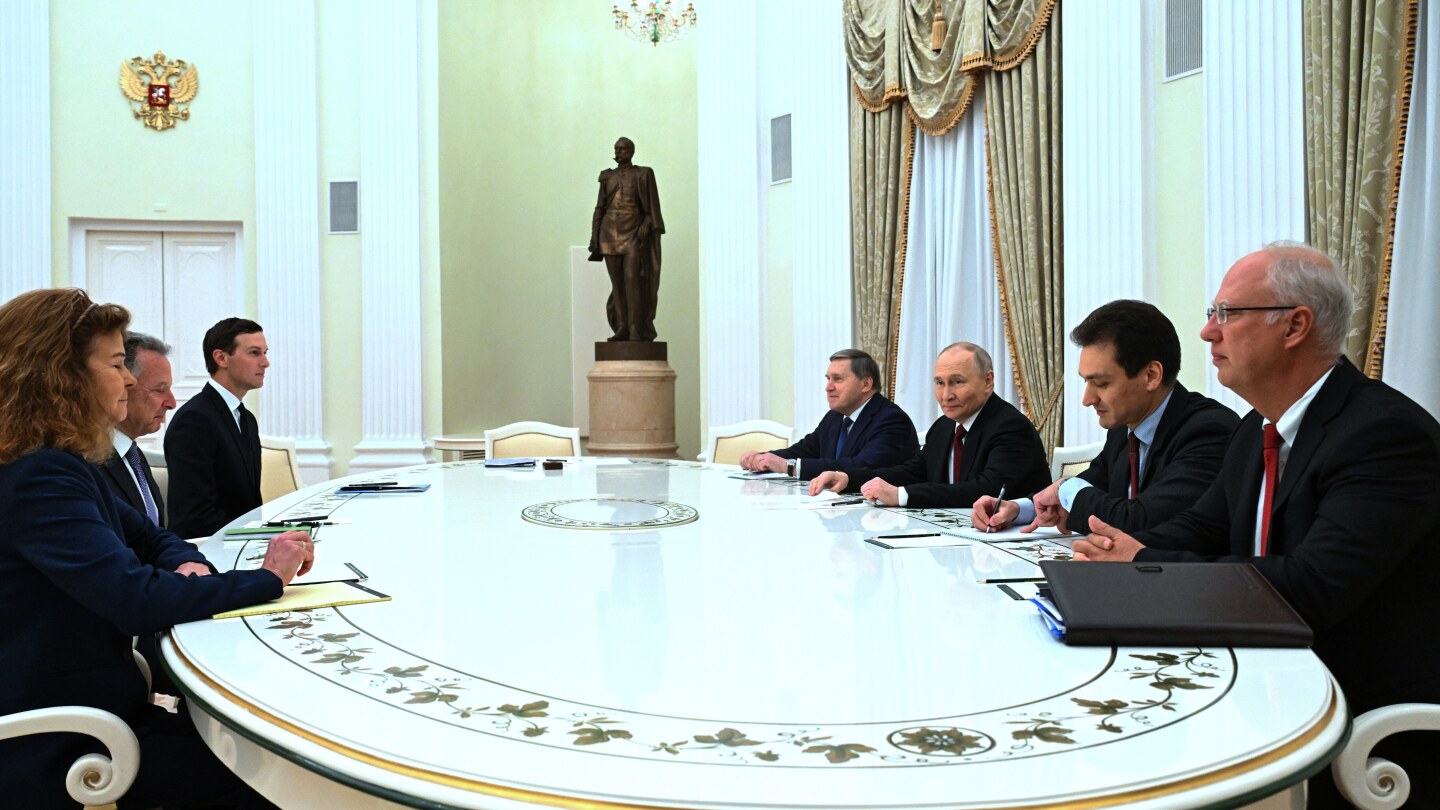
The escalating efforts to achieve peace in Ukraine, spearheaded by former US President Donald Trump, are gaining momentum. Recent weeks have witnessed a flurry of diplomatic activity, with officials from the United States, Ukraine, and Russia engaged in a series of meetings aimed at negotiating a potential resolution to the ongoing conflict. This push for a Ukraine peace deal involves a diverse group of negotiators, some with conventional diplomatic backgrounds and others bringing unconventional approaches to the table. Understanding the key players involved is crucial to grasping the complexities of these discussions and the potential pathways towards ending the war.
The Key Negotiators Driving the Ukraine Peace Deal
The pursuit of a lasting peace in Ukraine isn’t confined to traditional diplomats. Trump’s approach has drawn in individuals from the worlds of real estate, finance, and even military veterans. Here’s a closer look at the individuals shaping the negotiations:
Stevan Witkoff: The Unconventional Diplomat
Stevan Witkoff, a prominent real estate developer, has taken on the role of a key foreign policy coordinator for the Trump administration regarding this Ukraine conflict resolution. Remarkably, this position doesn’t require Senate confirmation, allowing for a more agile, albeit unconventional, approach to diplomacy. The 68-year-old, a long-time friend and golfing partner of Trump, has made multiple trips to Moscow in recent months, indicating a direct line of communication with Russian officials. His involvement highlights Trump’s preference for relying on trusted allies outside the established diplomatic channels.
Marco Rubio: Leading the US-Ukraine Dialogue
Senator Marco Rubio is leading the conversations with the Ukrainian side, recently heading the US delegation in Geneva. These talks focused on revising a US-Russia peace plan, making adjustments that were more favorable to Russia. Rubio’s role demonstrates the continued involvement of established political figures in the process, even as Trump’s team pursues parallel negotiations. He is a crucial link between the administration’s broader strategy and the specific needs and concerns of Ukraine.
Jared Kushner: Leveraging Past Successes
Jared Kushner, Trump’s son-in-law and former White House advisor, is also actively involved. He brings experience in brokering agreements, notably the ceasefire between Israel and Hamas earlier this year. Kushner has been meeting with Ukrainian representatives in Florida and Russian officials in Moscow, attempting to build on his past successes to find common ground in the Ukraine peace process. His business acumen and established relationships are seen as valuable assets in navigating the complex political and economic considerations of a potential settlement.
Dan Driscoll: An Unexpected Voice in Peace Talks
Dan Driscoll, the US Secretary of the Army, represents a surprising addition to the negotiation team. A veteran of the Iraq War and friend of Vice President JD Vance, Driscoll presented Trump’s plan directly to Ukrainian President Volodymyr Zelenskyy in Kyiv. He subsequently engaged in discussions with Russian officials in the United Arab Emirates. Driscoll’s military background and direct access to both sides suggest a focus on practical security arrangements as part of any potential agreement.
The Ukrainian and Russian Perspectives
Alongside the American negotiators, key figures from Ukraine and Russia are also playing pivotal roles.
Rustem Umerov: Ukraine’s New Lead Negotiator
Following the resignation of Andriy Yermak, Zelenskyy’s chief of staff, Rustem Umerov was appointed to lead the Ukrainian delegation in peace talks with US officials in Florida. Umerov previously served as Minister of Defense from October 2023 to July 2025, and was subsequently appointed to head Ukraine’s National Security and Defense Council after a government reshuffle. He has been deeply involved in all major rounds of negotiations since the escalation of the conflict. His appointment signals Ukraine’s commitment to finding a diplomatic solution, while also reflecting internal political dynamics.
Yuri Ushakov: Russia’s Experienced Diplomat
Yuri Ushakov, a long-serving Russian diplomat, has been President Putin’s aide since 2012. He previously served as Russia’s ambassador to the United States from 1998 to 2008 and is fluent in English and Danish. Ushakov has been a central figure in Russian negotiations with the US this year regarding the Ukraine peace deal. Reports suggest Witkoff even coached Ushakov on how Putin should present the peace plan to Trump, highlighting the intricate back-and-forth between the negotiating teams.
Kirill Dmitriev: The Kremlin’s Back Channel
Kirill Dmitriev, the head of Russia’s sovereign wealth fund, has emerged as a key player in the US-led efforts to negotiate an end to the war. Despite being subject to US sanctions and lacking traditional diplomatic credentials, Dmitriev has increasingly functioned as a back-channel communication link between the Kremlin and Trump’s allies. This unconventional role underscores the willingness of both sides to explore alternative avenues for dialogue.
Sergey Lavrov: Russia’s Steadfast Foreign Minister
Sergey Lavrov, Russia’s Foreign Minister since 2004, remains a prominent figure in the negotiations. Known for his staunch defense of Russian policy and his formidable negotiating skills, Lavrov is fluent in English and well-versed in international affairs. He has participated in Russian-US talks this year concerning the Ukraine conflict resolution, attending the initial meeting in Jeddah, Saudi Arabia, in February and holding telephone conversations with Rubio.
In conclusion, the current push for a Ukraine peace deal is a multifaceted effort involving a diverse cast of characters. From seasoned diplomats like Lavrov and Ushakov to unconventional negotiators like Witkoff and Kushner, each individual brings a unique perspective and set of skills to the table. The success of these negotiations hinges on their ability to bridge the significant gaps between the Ukrainian and Russian positions, and to forge a lasting peace that addresses the core concerns of all parties involved. The coming weeks will be critical in determining whether a diplomatic resolution to this devastating conflict can be achieved.