


The world of online content creation is booming, and with it, a crucial question is gaining traction: are influencers entitled to the same labor protections as traditional employees? This debate is now heading to the US Congress, where lawmakers are beginning to grapple with the unique challenges faced by the growing number of individuals who earn a living through platforms like TikTok and Instagram. An estimated 1.5 million people in the US now work as full-time digital creators, a figure that highlights the need for a serious discussion about their rights and security.
The “Creator Bill of Rights” – A New Proposal
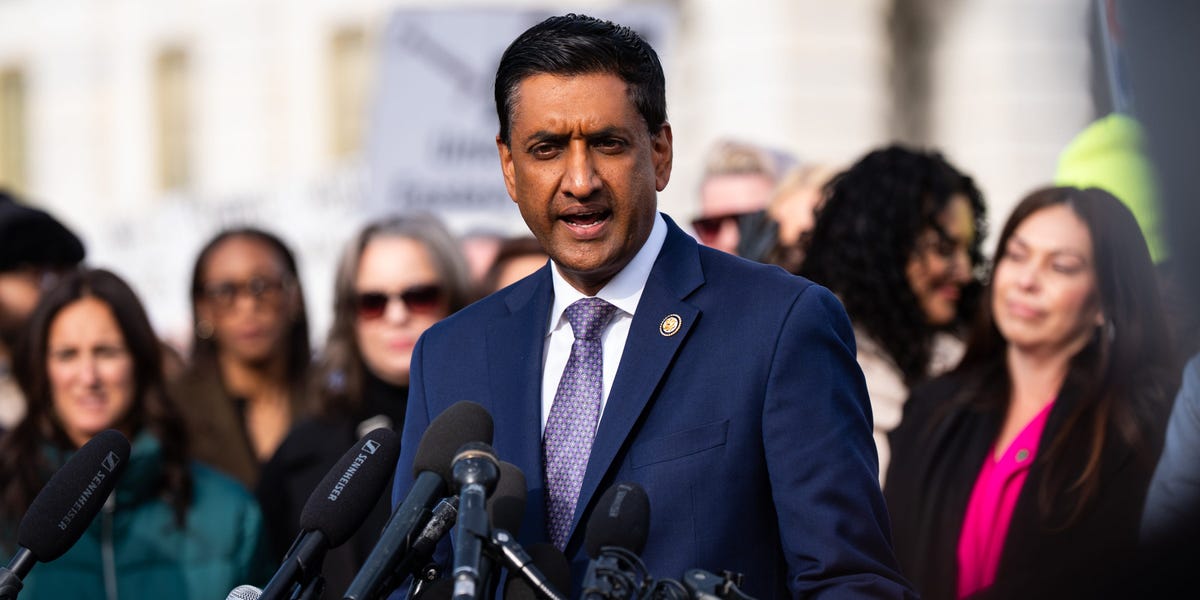
Democratic Representative Ro Khanna of California is spearheading the effort to address the vulnerabilities of digital creators. He plans to introduce a House resolution this week, dubbed the “Creator Bill of Rights,” which outlines a series of policy recommendations aimed at improving the working conditions for those who build their careers online. Khanna emphasizes that as content creation becomes a significant pathway to the middle class, it’s vital to ensure these jobs are “good jobs.”
This resolution isn’t intended to immediately change existing laws. Instead, it’s designed to be a catalyst for conversation, bringing together creators, industry advocates, and policymakers to explore potential solutions. Khanna developed the proposals in collaboration with prominent figures in the creator space, including Shira Lazar and Lisandra Vásquez, ensuring the initiative is grounded in real-world experiences.
Key Proposals: From Revenue Sharing to AI Transparency
The “Creator Bill of Rights” tackles a wide range of issues impacting influencers today. Several key proposals stand out:
Fair Revenue Sharing
One major focus is establishing clearer and more predictable revenue-sharing terms between platforms and creators. While platforms like YouTube have relatively transparent systems, others rely on “creator funds” that often lead to inconsistent and unpredictable payouts. The resolution calls for greater transparency in how platforms determine revenue distribution.
Addressing the Impact of Artificial Intelligence
The rise of AI and synthetic media presents a new threat to creators’ livelihoods. The resolution advocates for platform transparency regarding the use of AI that could potentially displace or devalue content created by humans. This is a particularly contentious issue, as the creator industry navigates the ethical and economic implications of AI-generated content.
Streamlined Account Support
Many influencers have reported frustrating experiences when dealing with platform actions, such as demonetization or account suspension. The resolution proposes improving customer service and appeal processes, making it easier for creators to resolve issues and regain control of their accounts. This would likely require investment from tech platforms.
Portable Benefits for Independent Contractors
A significant challenge for digital creators is the lack of traditional employee benefits. As independent contractors, they typically don’t have access to employer-sponsored health insurance or retirement plans. Khanna’s proposal suggests exploring “portable benefits” – benefits that are not tied to a specific employer – potentially through a “Medicare-for-all” style program, to provide creators with greater financial security.
Potential Obstacles and Political Pushback
While the “Creator Bill of Rights” has garnered attention, its path to implementation is likely to be fraught with challenges. The costs associated with some of the proposals, particularly expanding healthcare access, could face resistance from those opposed to increased government spending.
Furthermore, tech companies may push back against new regulations dictating how they compensate creators. Platforms that have already invested heavily in creator funds might be reluctant to alter their existing models. Some members of Congress may also be hesitant to intervene in the relationship between platforms and their users.
However, Khanna remains optimistic. He believes that even if not all of his colleagues agree with every aspect of the resolution, there will be a willingness to engage in a constructive dialogue to find solutions.
The Growing Political Influence of Digital Creators
The timing of this resolution is significant. A recent report from Morning Consult revealed that nearly half of Gen Z consider a career as a professional content creator to be their “ideal career.” This demonstrates the increasing importance of the creator economy to the next generation of workers.
The life of an influencer often appears glamorous, filled with free products and travel opportunities. However, beneath the surface lies a precarious existence. Creators are typically self-employed, lacking the safety net of traditional employment benefits. Their income is heavily reliant on algorithms and platform policies, which can change at any time, impacting their revenue streams. Income inequality within the creator space is also a growing concern, with a disproportionate amount of money flowing to a small number of mega-stars.
Recognizing this shift, some politicians are actively seeking to understand the needs of digital creators. The launch of a Congressional Creators Caucus, spearheaded by Representatives Yvette D. Clarke and Beth Van Duyne, signals a growing awareness of the creator economy within the halls of power. Organizations like SAG-AFTRA and The Creators Guild of America are also actively advocating for improved labor protections for digital creators.
Looking Ahead: A Necessary Conversation
The “Creator Bill of Rights” represents a crucial first step in addressing the unique challenges faced by influencers and the broader digital creator ecosystem. While the road ahead may be long and complex, the conversation is long overdue. As the creator economy continues to grow and evolve, it’s essential that policymakers work collaboratively with creators and industry stakeholders to ensure a fair, sustainable, and secure future for this vital segment of the workforce. The future of work is changing, and it’s time for our laws and regulations to catch up.