


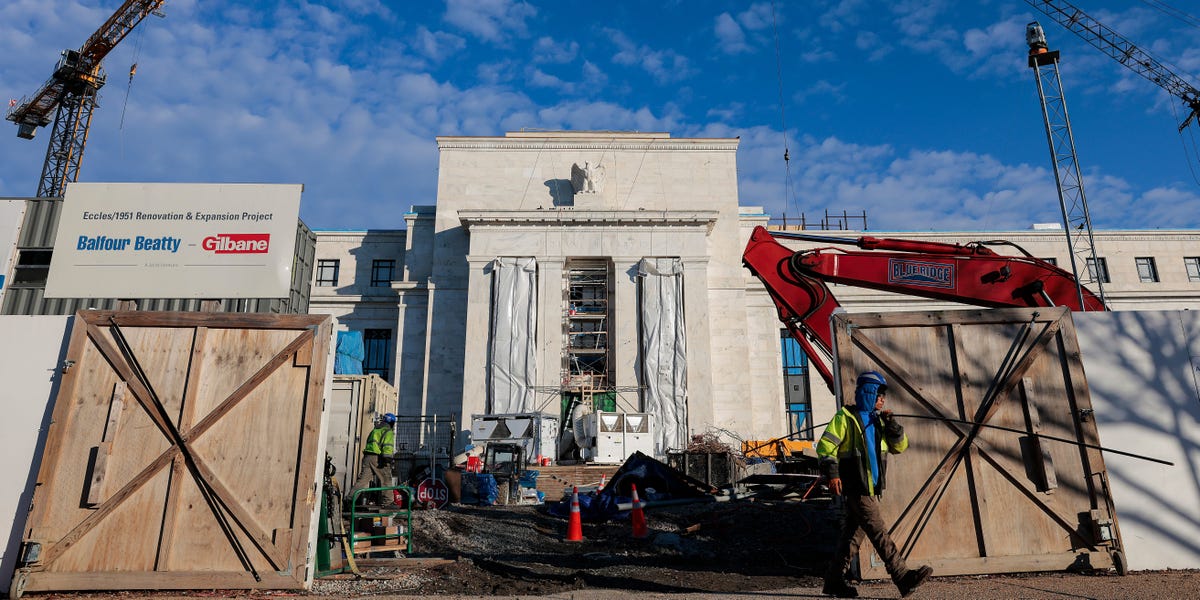
The ambitious renovation project at the Federal Reserve is facing significant hurdles, escalating costs, and even a potential Department of Justice investigation. Originally budgeted at $1.9 billion, the project’s price tag has ballooned to $2.5 billion, sparking controversy and scrutiny from both sides of the political aisle. This article delves into the details of the Federal Reserve renovation, exploring the reasons behind the cost overruns, the discoveries made during construction, and the political pressures surrounding the project.
The Rising Costs of Modernizing the Federal Reserve
The renovation, encompassing the Marriner S. Eccles Building and the Federal Reserve Bank of East Building, began around 2022. These structures, dating back to the 1930s, were in dire need of modernization. However, the project quickly encountered unexpected challenges. As construction crews began dismantling the aging buildings, they uncovered hazardous materials – lead paint and asbestos – requiring costly and time-consuming remediation efforts.
Jerome Powell, Chairman of the Federal Reserve, acknowledged the increased expenses in a letter defending the renovation budget. He attributed the rise in costs not only to the unexpected discoveries but also to broader economic factors impacting material prices. The situation has drawn criticism from former President Donald Trump, who has accused the Fed of mismanagement and unnecessary luxury additions.
Unearthing Hidden Hazards: Asbestos and Lead Paint
The presence of asbestos and lead paint was a major contributor to the budget increase. These materials, commonly used in construction during the 1930s and 40s, pose significant health risks and require specialized removal procedures. Dealing with these hazardous materials added substantial costs and caused delays to the project timeline.
Furthermore, the discovery of these materials wasn’t entirely unforeseen. Aging infrastructure often harbors hidden dangers, and thorough assessments are crucial before undertaking large-scale renovations. However, the extent of the contamination appears to have been underestimated in the initial planning stages. This highlights the importance of comprehensive due diligence in complex construction projects, especially those involving historical buildings. The renovation project has become a case study in the challenges of modernizing aging infrastructure.
Political Scrutiny and a DOJ Investigation
The escalating costs haven’t escaped the attention of lawmakers and the White House. Kevin Hassett, a former director of the National Economic Council under President Trump, publicly labeled the project “the most expensive project in D.C. history.” This criticism fueled further scrutiny and ultimately led to a potential Department of Justice investigation.
Chairman Powell revealed the possibility of a DOJ probe, suggesting it was part of ongoing pressure from the Trump administration. He defended the Fed’s actions, stating that no one is above the law, but also emphasized the unprecedented nature of the investigation in the context of political pressure. This political dimension adds another layer of complexity to the Federal Reserve building renovation.
A Look Inside the Construction: Plans and Mock-Ups
Business Insider has obtained images of the construction site, floor plans, and design mock-ups, offering a glimpse into the scope of the renovation. The plans reveal a comprehensive overhaul of the buildings, including upgrades to electrical, heating, plumbing, and air ventilation systems.
The modernization project aims to address critical backlogs of upgrades, meet evolving building codes, and enhance information technology, security, and energy efficiency. The designs also incorporate accessibility improvements, such as wheelchair ramps, and plans to reuse historic marble and wood elements, balancing preservation with modern office needs. One notable feature is the planned conversion of the Eccles building’s courtyard into a glass-enclosed atrium, designed to maximize natural light.
Balancing Preservation and Modernization
A key aspect of the renovation is the careful preservation of the buildings’ architectural heritage. The Eccles building, in particular, was designed to project stability during the Great Depression, with marble halls and bronze fixtures intended to inspire public confidence. The Fed has emphasized its commitment to restoring these original details while integrating modern amenities.
However, allegations from White House officials suggest the renovations include additions like VIP dining rooms and a vegetated roof, claims the Fed has vehemently denied. The debate over the scope of the project underscores the challenges of balancing historical preservation with the demands of a modern workplace.
Completion and Future Savings
Despite the setbacks, the Federal Reserve anticipates completing the renovation by late 2027. Employees currently working in temporary offices are expected to move into the modernized buildings in the first quarter of 2028.
The Fed argues that the long-term benefits of the project will outweigh the increased costs. By consolidating its operations and reducing reliance on leased office space, the renovation is projected to generate significant savings over time. The Federal Reserve modernization is ultimately intended to create a more efficient, secure, and sustainable workspace for the central bank’s operations.
In conclusion, the Federal Reserve renovation has become a complex undertaking fraught with unexpected challenges, escalating costs, and political scrutiny. While the project has faced significant hurdles, the Fed remains committed to delivering a modernized and secure facility that will serve its needs for decades to come. The lessons learned from this project will undoubtedly inform future infrastructure projects, emphasizing the importance of thorough planning, risk assessment, and transparent communication. For further information on the Federal Reserve and its operations, visit their official website.