


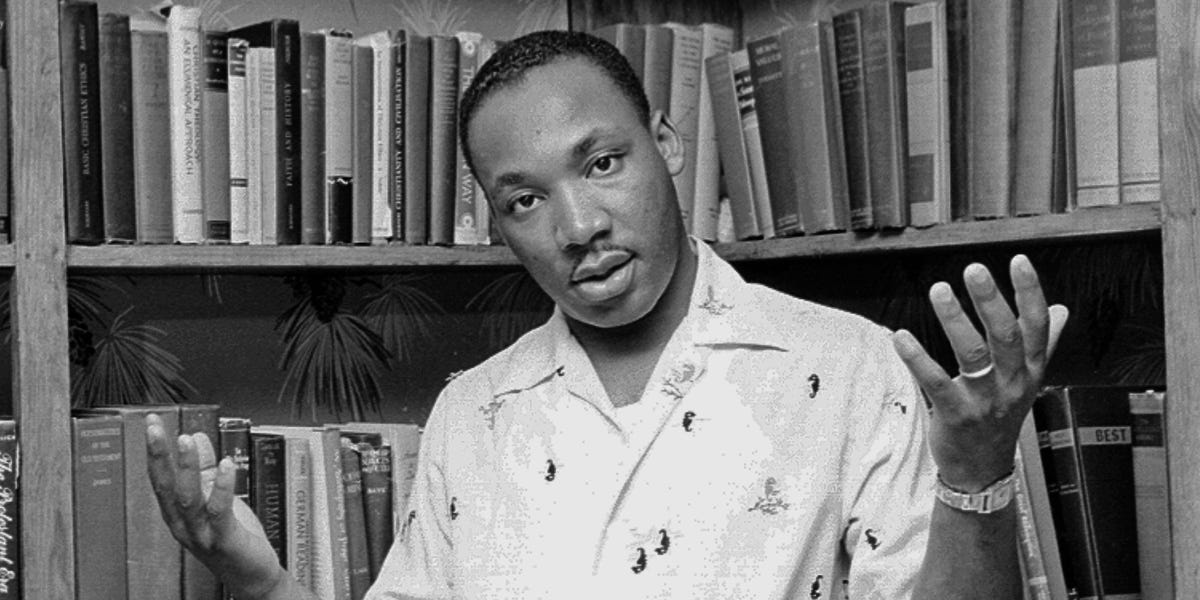
The debate surrounding the future of work, particularly in the age of rapidly advancing artificial intelligence (AI), is gaining momentum. While tech giants like Elon Musk and Sam Altman often position themselves as visionaries exploring uncharted territory, a fascinating historical parallel reveals they are, in some ways, revisiting ideas proposed decades ago. That idea is basic income, a concept gaining traction as a potential solution to the economic disruption AI may cause. Surprisingly, the roots of this discussion extend back to the Civil Rights Movement and the insightful writings of Martin Luther King Jr.
The Historical Precedent: Martin Luther King Jr. and Economic Security
Many believe the concept of a guaranteed income is a modern invention born from Silicon Valley anxieties. However, in his 1967 book, “Where Do We Go From Here: Chaos or Community?”, Martin Luther King Jr. passionately advocated for a form of basic income, recognizing its potential to address deep-seated societal issues. He argued that a guaranteed annual income could establish “widespread economic security,” a foundation for a more just and equitable society.
King didn’t view this merely as an economic policy; he saw it as a moral imperative. He believed that eliminating the constant pressure of financial survival would liberate individuals, fostering stronger families and communities. “Personal conflicts between husband, wife, and children will diminish when the unjust measurement of human worth on a scale of dollars is eliminated,” he wrote, highlighting the human cost of poverty and economic insecurity.
Understanding Basic Income: Universal vs. Guaranteed
It’s important to clarify the nuances within the basic income discussion. A universal basic income (UBI) provides a regular, unconditional cash payment to all citizens, regardless of their income or employment status. A guaranteed basic income (GBI), on the other hand, is typically targeted towards specific groups, such as those living below the poverty line, and may be subject to certain conditions.
Both models aim to provide a safety net, ensuring everyone has enough to cover essential needs. The key difference lies in universality and conditionality. The current discussions often blend these concepts, leading to varied proposals for implementation. The core principle, however, remains consistent: providing a financial floor for all.
Why the Renewed Interest in Basic Income? The AI Factor
The recent surge in interest in basic income isn’t solely due to historical rediscovery. The accelerating development of AI is a major driving force. Tech leaders like Musk, Altman, and Bill Gates are increasingly vocal about the potential for AI to automate a vast number of jobs, leading to widespread unemployment. They suggest that a guaranteed income could be a necessary buffer against this disruption, allowing people to adapt and retrain for new roles, or pursue other meaningful activities.
This concern echoes King’s own observations about the changing economic landscape. He wrote that economic shifts and systemic discrimination could lead to “constant or frequent unemployment against their will.” He proposed that society had a responsibility to either create employment opportunities or provide income support, enabling individuals to participate as active consumers.
Pilot Programs and Political Resistance to Guaranteed Income
Despite the growing discussion, implementing a basic income program remains a significant challenge. Numerous cities and counties across the United States have launched pilot programs, offering no-strings-attached cash payments to low-income residents. These programs are designed to gather data on the impact of basic income on work, health, and overall well-being. Initial findings often show that recipients do not simply stop working, but rather use the funds to improve their lives, seek education, and find better employment opportunities.
However, political resistance remains strong. Critics often argue that basic income is too expensive, disincentivizes work, and represents an unwarranted expansion of government intervention. Some, like Republican Rep. John Gillette, question the very premise, asking, “Is money a birthright now?” This sentiment reflects a deeply ingrained belief in the value of work and self-reliance. Andrew Yang’s 2020 presidential campaign, which prominently featured a UBI proposal, demonstrated both the potential appeal and the significant hurdles facing such policies.
The Enduring Relevance of King’s Vision
The debate over basic income is not just about economics; it’s about values. Martin Luther King Jr. believed that a just society must ensure the dignity and well-being of all its members. He envisioned a future where individuals were empowered to pursue their potential, free from the crushing weight of poverty.
“The dignity of the individual will flourish when the decisions concerning his life are in his own hands,” he wrote. This sentiment resonates powerfully today, as we grapple with the potential consequences of AI and the need for a more equitable and sustainable economic system. While the technological context has changed dramatically since King’s time, his fundamental insights into the relationship between economic security, human dignity, and social progress remain remarkably relevant. Exploring the feasibility of a universal basic income or a targeted guaranteed income is not simply a pragmatic response to technological change, but a moral imperative rooted in a long history of social justice advocacy.