


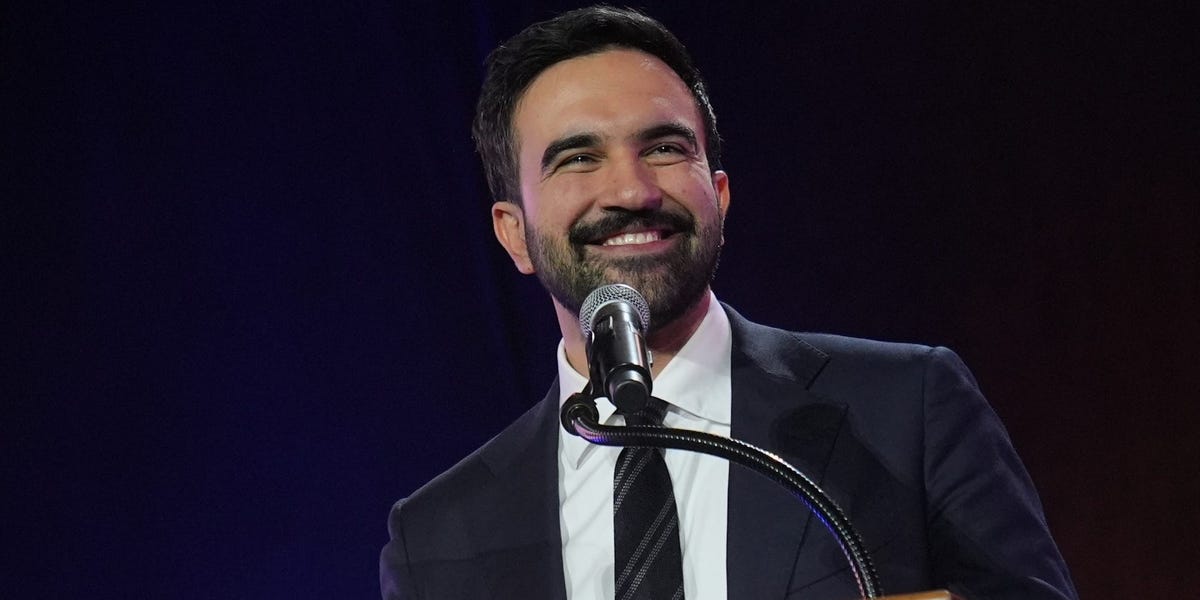
The anticipation surrounding Zohran Mamdani’s upcoming inauguration as Mayor of New York City on January 1st has sparked a complex reaction, particularly amongst the city’s business elite. Initial reports suggested a wave of concern, even panic, amongst the wealthiest New Yorkers following Mamdani’s electoral win. While some anxieties remain, a closer look reveals a more nuanced picture, with potential for collaboration and surprising areas of agreement between the new mayor and the city’s powerful business leaders. This article explores the evolving dynamic and the key areas of discussion as Mamdani prepares to take office.
Understanding the Initial Concerns About Zohran Mamdani’s Policies
The immediate reaction from some in “Billionaire’s Row” was, as one source described, akin to the fall of Saigon – a rush to secure an exit strategy. This stemmed from Mamdani’s openly declared socialist platform, a label that understandably raises eyebrows in a community accustomed to more traditional, pro-business approaches. Concerns centered around potential tax increases, stricter regulations, and policies perceived as detrimental to economic growth. Specifically, anxieties focused on his proposals regarding public safety and housing, areas vital to the functioning of a major economic hub like New York City.
Public Safety and the NYPD
One of the most prominent concerns revolved around Mamdani’s plans for public safety. Business leaders feared that his proposed reforms would lead to a decline in security, impacting both their businesses and the overall quality of life in the city. The announcement of his intention to retain NYPD Commissioner Jessica Tisch, however, has significantly alleviated some of these fears. This move signaled a willingness to maintain experienced leadership and a pragmatic approach to law enforcement.
Furthermore, the details surrounding the new Department of Community Safety, designed to deploy mental health responders alongside police officers, are being carefully scrutinized. The question on many minds is how this system will function in practice, particularly in challenging situations. Will it truly be additive, as Mamdani’s team assures, or will it hinder the police’s ability to respond effectively?
The Surprising Areas of Agreement: A Pro-Business Socialist?
Despite the initial apprehension, Yasser Salem, head of OneNYC, a pro-Mamdani PAC, and a former McKinsey executive, argues that the situation is far from a complete standoff. He’s been actively building a business council to advise Mamdani, and his conversations with over 70 CEOs reveal surprising areas of overlap.
Universal Childcare: A Shared Benefit
One key area of agreement is universal childcare. Salem reports that many CEOs recognize the benefits of affordable childcare, not as a socialist handout, but as a practical solution to improve employee productivity. A recent study by his PAC revealed that New York families spend, on average, over 25% of their income on childcare for a single child. This financial burden significantly impacts employee well-being and performance.
Public-private partnerships for childcare, with shared costs between the government and employers, are gaining traction as a viable solution. This demonstrates a willingness from the business community to invest in policies that benefit their workforce, even if they originate from a platform labeled as progressive policies.
Housing Affordability: A Long-Term Perspective
While Mamdani’s proposed rent freeze on rent-stabilized apartments has drawn criticism, there’s a consensus on the need to address the city’s housing crisis. Business leaders acknowledge that the current situation is unsustainable, and agree that increasing housing supply is the long-term solution.
The core disagreement lies in the timeline. Mamdani’s rent freeze is intended to provide immediate relief to renters, while his plans for zoning reform and the construction of 200,000 “truly-affordable” apartments are focused on long-term solutions. Salem highlights this difference, asking, “Are we solving for rent prices going down in four years? Are we solving for rent prices going down today?”
Taxes and the Bottom Line: A Willingness to Contribute
Surprisingly, taxes haven’t emerged as a major point of contention. CEOs have indicated a willingness to pay more if they believe it will contribute to a better quality of life in New York City. This suggests a recognition that a thriving city benefits everyone, including the business community. This willingness to contribute is further bolstered by the perception that Mamdani isn’t aiming for radical wealth redistribution, but rather seeking to expand the social safety net in a responsible manner. He’s not proposing drastic increases to the corporate tax rate, but rather a more equitable distribution of resources.
Looking Ahead: Collaboration and Pragmatism
Zohran Mamdani’s transition into the mayoralty is shaping up to be a complex negotiation between ideological commitments and pragmatic realities. While initial fears were understandable, the ongoing dialogue facilitated by figures like Yasser Salem suggests a potential for collaboration. The key will be focusing on specific policy disagreements rather than getting bogged down in labels like “socialism.”
As Mamdani prepares to take office, the business community is watching closely, assessing his willingness to compromise and his commitment to fostering a thriving economic environment. The success of his administration will depend on his ability to bridge the gap between his vision for a more equitable city and the practical concerns of those who drive its economic engine. The coming months will be crucial in determining whether New York City can navigate this new chapter with both progress and prosperity.