


The debate surrounding whether members of Congress should be allowed to trade individual stocks is intensifying, with a recent push for a vote facing potential derailment. The core issue – stock trading ban for lawmakers – has gained traction due to concerns about potential conflicts of interest and insider information abuse. However, a political standoff is brewing, threatening to stall progress on legislation aimed at restoring public trust in government.
The Bipartisan Effort and Emerging Obstacles
For years, the idea of prohibiting members of Congress from owning and trading individual stocks has been gaining momentum. The argument centers on the inherent power imbalance and the potential for lawmakers to profit from non-public information gained through their official duties. A bipartisan group in the House, led by Representative Seth Magaziner and Representative Chip Roy, introduced the “Restore Trust in Congress Act” to address this. This bill would require lawmakers to sell off their stock holdings within 180 days of its enactment.
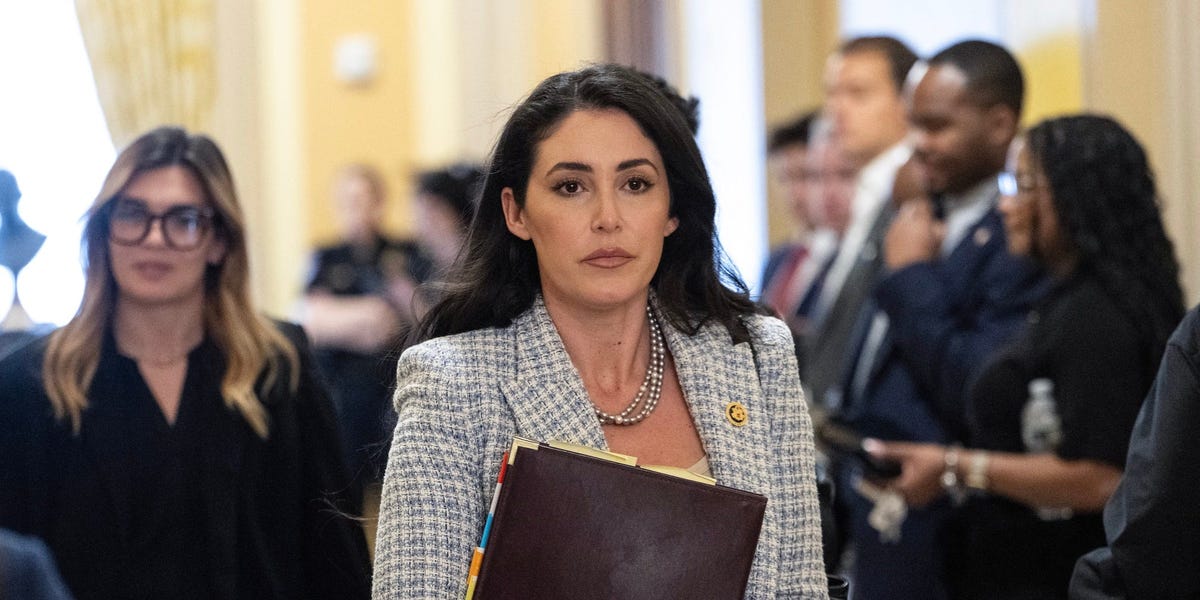
Recently, Representative Anna Paulina Luna initiated a discharge petition, a procedural maneuver to force a vote on the bill even if the House Speaker opposes it. As of now, the petition has garnered signatures from 15 Republicans and 59 Democrats, demonstrating a significant level of support. However, this momentum is now facing a serious challenge.
Democrats Expand the Scope of the Proposed Ban
The current roadblock stems from a new demand by top Democrats: the inclusion of former President Donald Trump and Vice President JD Vance in any stock trading ban. Democrats argue that the power to influence markets extends beyond current lawmakers to those who previously held executive office, particularly given their access to sensitive information and control over regulatory agencies.
House Minority Leader Hakeem Jeffries has been particularly vocal, stating there’s “zero justification” for allowing presidents or vice presidents to trade stocks while in office. This move, while seemingly aimed at fairness and comprehensive accountability, is widely seen as a strategic attempt to undermine Republican support for the original bipartisan bill.
A Repeat of Past Struggles: The Senate Precedent
This tactic mirrors a similar situation that unfolded in July in the Senate. Senator Josh Hawley, a Republican from Missouri, struck a deal with Democrats to advance a stock trading ban that also included Trump and Vance. This agreement immediately drew criticism from within the Republican party, with Trump himself publicly denouncing Hawley as “second-tier” on his Truth Social platform.
The inclusion of political rivals in the legislation effectively poisoned the well, making it difficult to secure broad bipartisan support. Experts fear a similar outcome is now likely in the House.
Concerns from Both Sides of the Aisle
Dylan Hedtler-Gaudette, from the Project On Government Oversight, who has been working with lawmakers on the original bill, believes the Democratic leadership’s maneuver has significantly diminished the chances of a successful vote. “I think we had a real path, and I think intentionally, this effort from Democratic leadership has really undercut that path,” he told Business Insider. He suggests that both parties are now retreating into their respective corners.
Even some Democrats acknowledge the potential pitfalls of the expanded proposal. One anonymous House Democrat expressed concern that focusing on Trump’s financial dealings, while valid, could overshadow the issue of congressional insider trading and appear disproportionate. They likened pursuing minor transactions by some members while ignoring Trump’s larger investments to “going after parking tickets when you have people committing murder.”
Republicans, meanwhile, are voicing concerns that a complete ban could hinder their ability to attract qualified candidates to run for office. Speaker Johnson, while initially supportive of a ban, has recently expressed these reservations. He has indicated a willingness to introduce a bill on the issue next year, but details remain unclear.
Dueling Proposals and a Diminishing Outlook
As a result of the impasse, Democrats are now drafting their own separate stock trading ban proposal, adding another layer of complexity to the situation. Republicans are also planning to unveil their own plan in the coming year. This fragmentation of efforts suggests a growing likelihood that no meaningful legislation will be passed during the current Congress.
The current situation highlights the challenges of enacting meaningful ethics reform in a highly polarized political environment. While the desire to address potential conflicts of interest among lawmakers is widespread, partisan considerations are threatening to derail a bipartisan solution. The future of any legislation aimed at curbing financial conflicts of interest in Congress remains uncertain.
The debate continues, and the public remains keenly interested in seeing concrete action taken to ensure that their elected officials are acting in their best interests, not their own financial gain. Further updates on this developing story will be provided as they become available.