


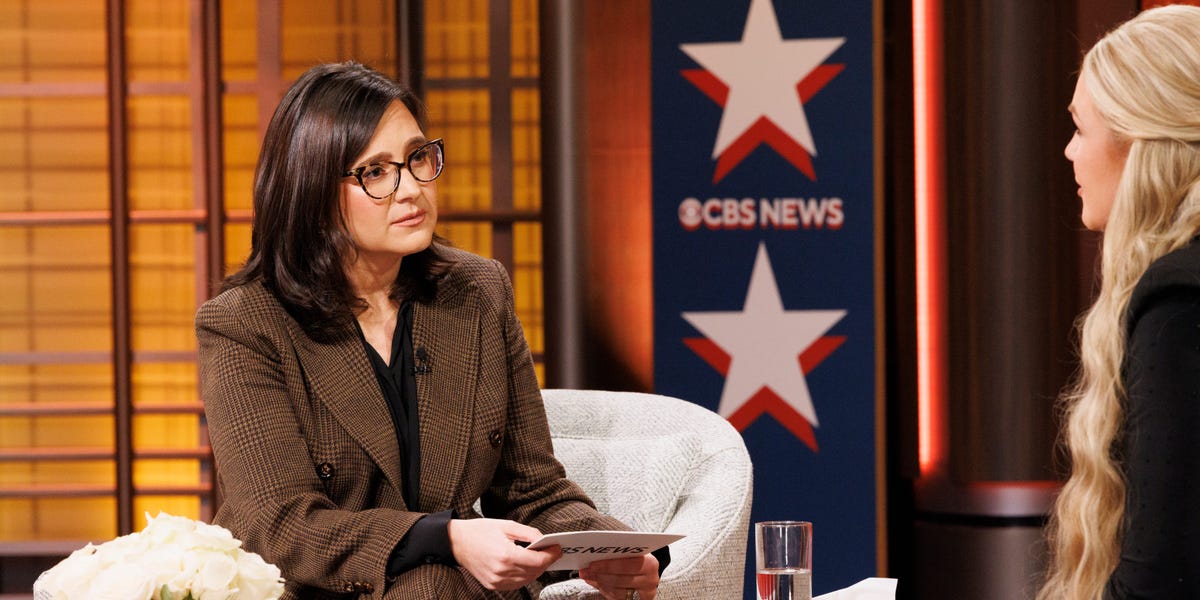
The recent decision to pull a “60 Minutes” segment investigating the Trump administration’s use of a notorious El Salvador prison has ignited a firestorm of debate, raising serious questions about editorial independence at CBS News. The abrupt cancellation, just hours before its scheduled broadcast, has fueled speculation that political considerations, rather than journalistic standards, were at play. This incident comes on the heels of Bari Weiss’s appointment as the head of CBS News, and many are now scrutinizing whether her leadership, and the influence of CBS owner David Ellison, are impacting the network’s coverage.
The Pulled Segment: A Closer Look
The segment, reported by veteran correspondent Sharyn Alfonsi, focused on the Trump administration’s policy of sending Venezuelan migrants to the Centro de Confinamiento de Terroristas (CECOT) prison in El Salvador. CECOT is widely known for its horrific conditions and allegations of widespread torture. CBS had actively promoted the segment, suggesting it had undergone the network’s rigorous fact-checking and editorial review process.
However, a few hours before airtime, CBS News announced the segment was being delayed for “additional reporting and editorial work.” This explanation immediately drew skepticism, particularly from within the news organization itself. Alfonsi, in a strongly worded note to her colleagues, vehemently disagreed with the rationale.
Alfonsi’s Concerns: A Political Decision?
“In my view, pulling it now – after every rigorous internal check has been met – is not an editorial decision, it is a political one,” Alfonsi wrote. She expressed concern that CBS was sacrificing its decades-long reputation for “Gold Standard” journalism for a “single week of political quiet.” Her statement highlights a core fear within the media: that powerful interests can exert pressure to suppress stories deemed unfavorable. This situation has sparked discussions about media bias and the challenges of maintaining journalistic integrity in a highly polarized environment.
Weiss’s Explanation and the Controversy
Bari Weiss addressed her staff the following day, stating she held the story because “it did not advance the ball.” She further explained that the segment lacked on-camera comment from the Trump administration, despite their involvement in sending individuals to CECOT, and that this omission prevented viewers from having “the full context.”
This justification has been met with considerable criticism. Firstly, the timing of these concerns, so late in the production process, appears highly unusual. Secondly, the argument that a story cannot air without the participation of those being investigated sets a dangerous precedent. It essentially allows subjects to kill critical reporting simply by refusing to comment, potentially stifling investigative journalism. This raises questions about the future of investigative reporting at CBS News.
The Ellison Connection and Potential Conflicts of Interest
The timing of this incident is particularly sensitive given the circumstances surrounding Weiss’s appointment. She was brought in through a deal orchestrated by Paramount’s owners, the Ellison family. David Ellison’s father, Larry, is the founder and chairman of Oracle, a major tech company with significant financial ties to the Trump administration.
Oracle recently received approval to acquire part of TikTok’s US operations, a deal heavily influenced by the Trump administration. Furthermore, the Ellisons are reportedly seeking Trump’s support for their bid to acquire Warner Bros. Discovery, a move that would require approval from the Department of Justice, which remains under Trump’s influence.
Trump himself has publicly complained about “60 Minutes” under Ellison’s ownership, claiming the network has been even more critical of him since the “takeover.” While this doesn’t definitively prove political interference, it adds another layer of complexity to the situation and fuels suspicions about the motivations behind the segment’s cancellation.
A System Ripe for Suspicion
It’s important to note that proving direct political interference is difficult. Weiss may genuinely believe the segment needed further work. However, the confluence of factors – the timing, the explanation, and the Ellison family’s close ties to the Trump administration – creates an environment where suspicion is inevitable.
The core issue isn’t necessarily whether Weiss acted with malicious intent, but rather the perception of potential bias. The decision was made within a system where the owners of the newsroom have vested interests that could be impacted by the coverage of a particular political figure. In such a world, skepticism isn’t paranoia; it’s a rational response to the realities of power.
This incident serves as a stark reminder of the challenges facing modern journalism. Maintaining editorial integrity requires constant vigilance and a commitment to transparency, especially when powerful financial and political interests are involved. It’s a situation that Weiss, and CBS News, will need to address proactively to rebuild trust with their audience and reaffirm their commitment to unbiased reporting. The future of credible journalism may depend on it.