


The recent, unexpected capture of Venezuelan President Nicolás Maduro has sent ripples through the international community, sparking debate about its implications for the region and beyond. While framed as a law enforcement operation targeting drug trafficking and weapons charges, the event quickly intersected with the long-held ambition of the United States to gain access to Venezuela’s vast oil reserves. This isn’t simply a story about political upheaval; it’s a complex interplay of geopolitics, energy security, and potential economic shifts, making understanding Venezuela’s oil wealth crucial to grasping the situation’s full context.
Venezuela’s Untapped Potential: A Global Oil Powerhouse
Venezuela boasts the world’s largest proven oil reserves, exceeding 300 billion barrels. To put this into perspective, that’s significantly more than Saudi Arabia’s reserves, and roughly a fifth of the globally proven total. However, despite this immense potential, Venezuela currently produces less than 1% of the world’s daily crude output. This dramatic disparity highlights the deep-seated issues plaguing Venezuela’s oil industry, issues that the Trump administration, and potentially future governments, are now looking to address. The availability of Venezuelan crude could significantly impact global energy markets, potentially lowering prices and diversifying supply.
The Decline of PDVSA: Years of Mismanagement and Underinvestment
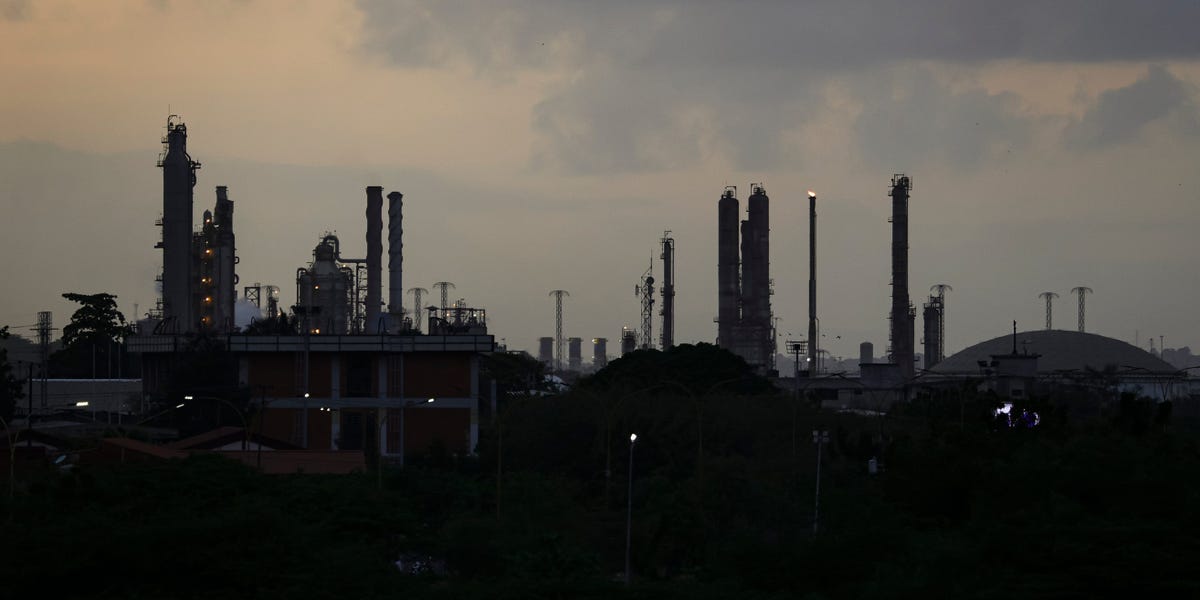
The oil industry in Venezuela is dominated by Petróleos de Venezuela, S.A. (PDVSA), the state-owned oil company. For years, PDVSA was a highly successful and profitable entity, but a combination of factors led to its drastic decline. These factors include:
Corruption and Political Interference
Widespread corruption within PDVSA, coupled with increasing political interference in its operations, siphoned away resources and hindered efficient management. This led to a lack of maintenance, inadequate investment in infrastructure, and the exodus of skilled personnel.
Lack of Investment
Years of underinvestment, stemming from both financial constraints and mismanagement, resulted in deteriorating infrastructure, including aging refineries, pipelines, and oil rigs. Modernizing the oil industry requires substantial capital, which has been consistently lacking.
US Sanctions
While intended to pressure the Maduro regime, US sanctions have also inadvertently hampered PDVSA’s ability to attract foreign investment and access crucial technology and equipment needed for repair and revitalization. The complex sanctions environment created significant barriers for potential partners.
Trump’s Vision: US Oil Companies and Reconstruction
Following Maduro’s capture, former President Trump explicitly stated his intention to involve US oil companies in the reconstruction of Venezuela’s oil infrastructure. His plan involves “spending billions of dollars” to fix the “badly broken” system and enable Venezuela to significantly increase its oil production. This vision promises a potential windfall for US energy firms, providing access to a massive, untapped resource.
However, the practicalities of this plan are immense. Beyond the technical challenges of repairing infrastructure, security concerns remain paramount. The political landscape within Venezuela is fraught with instability, and any large-scale foreign investment will require a secure operating environment. Furthermore, navigating the existing sanctions regime and addressing concerns about financial transparency will be crucial for success.
Implications for Global Energy Markets & Geopolitical Shifts
A resurgence in Venezuela’s oil production, facilitated by US investment, could have substantial implications for global energy markets. It could:
- Increase Global Supply: A substantial increase in Venezuelan output would add a significant volume of crude oil to the global market, potentially alleviating supply constraints.
- Lower Oil Prices: Enhanced supply often translates into lower prices, benefiting consumers and potentially impacting the economies of oil-producing nations.
- Reduce US Dependence: Having a major nearby oil supplier like Venezuela could reduce US reliance on other potentially unstable regions.
However, it’s crucial to remember that this is all contingent on the success of the reconstruction efforts and the establishment of a stable political environment. The situation is also likely to exacerbate existing tensions with countries like Russia and China, which have maintained close ties with the Maduro regime. Understanding the geopolitical landscape of the region is key to predicting the long-term effects of these developments.
The Road Ahead: Challenges and Opportunities
The future of Venezuela’s oil industry remains uncertain. While the potential for recovery is significant, the challenges are equally daunting. Rebuilding trust, attracting foreign investment, and ensuring a stable political climate are prerequisites for success. The involvement of US oil companies represents both an opportunity for Venezuela to revitalize its economy and a potential source of further complexity and controversy. Ultimately, the outcome will depend on a careful balancing act between economic interests, political considerations, and the needs of the Venezuelan people. Successfully unlocking Venezuela’s crude oil potential could reshape the global energy landscape for decades to come, but it is a path riddled with obstacles.