


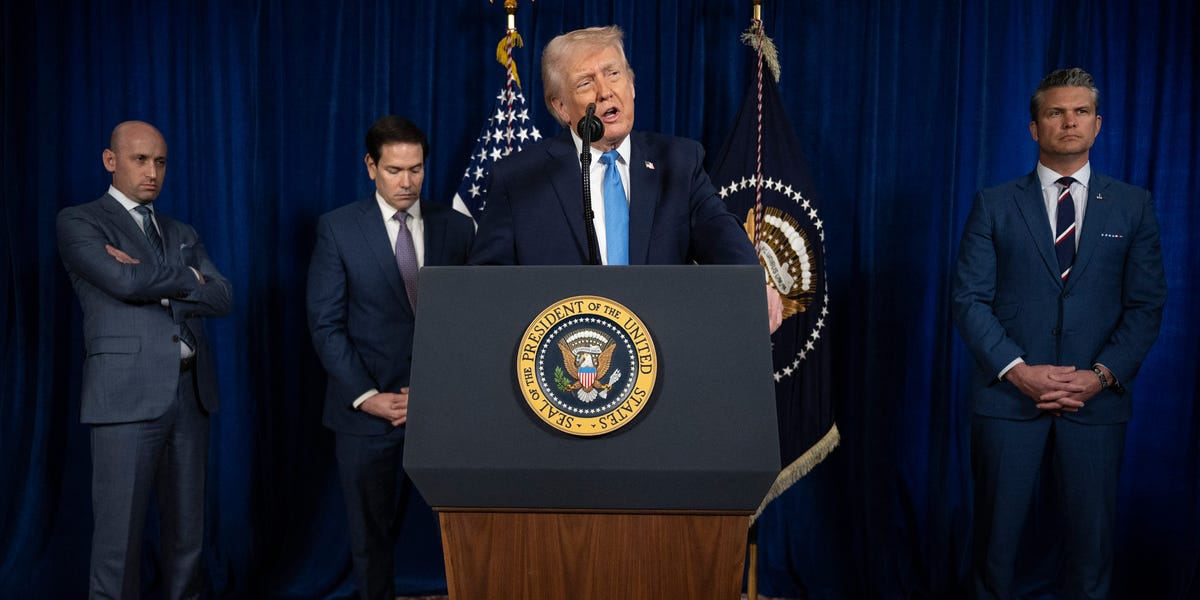
The ripples from a dramatic intervention in Venezuela are being felt globally, following President Donald Trump’s Saturday announcement of a U.S. raid leading to the capture of Venezuelan President Nicolás Maduro and key figures in his administration and business circles. This unprecedented action has sparked a wide range of reactions from political analysts, business leaders, and international figures, all attempting to decipher the implications. The news has dominated headlines, focusing on the potential for economic recovery in Venezuela and the broader geopolitical ramifications of this assertive move by the United States. Understanding these responses is crucial as the situation in Venezuela continues to evolve.
The Aftermath of Maduro’s Capture: Key Reactions
The immediate aftermath of the operation has seen a flurry of statements and analyses. Many observers are focusing on the potential for a significant shift in Venezuela’s economic landscape. This operation, while controversial, is being positioned by some as a catalyst for much-needed change after years of political and economic turmoil.
Economic Optimism: A Potential for Investment
Charles Myers, chairman of political risk consulting firm Signum Global Advisors, believes that the removal of Maduro unlocks significant opportunities for foreign investment in Venezuela. Myers highlighted the potential in key sectors like oil, tourism, and construction, predicting that the Venezuelan economy could experience faster growth than anticipated.
“The centerpiece of Venezuela’s financial recovery will be foreign investment,” Myers told Business Insider. He is currently planning a trip with 15-20 investors to assess opportunities in March, mirroring similar initiatives undertaken in Syria and Ukraine. This targeted approach suggests a serious intent to facilitate rebuilding and economic integration, recognizing the substantial risks and rewards involved. However, it’s important to note that sustainable growth requires more than just capital injection; it demands stable governance and a conducive legal framework.
Geopolitical Concerns and the “Law of the Jungle”
While some predict economic boon, others express serious concerns regarding the precedent this action sets on the world stage. Ian Bremmer, founder of Eurasia Group, characterized the situation as a demonstration of American power, suggesting that Washington is signaling its willingness to intervene directly to achieve its objectives.
His commentary on LinkedIn, accompanying a symbolic drawing of a horse attempting to represent the operation’s planning, was particularly stark. He noted the US’s implied message to future Venezuelan leaders: comply, or face similar consequences. “The law of the jungle is dangerous,” Bremmer cautioned in a separate post, suggesting that such assertive actions could easily be replicated, potentially leading to a more volatile international environment. The drawing itself – a detailed hindquarters representing the successful capture operation contrasted with a childlike depiction of future plans – underscored his point about the lack of a comprehensive long-term strategy.
Impact on Global Energy Markets and Russia
The implications for global energy markets have not been overlooked. Billionaire hedge fund manager Bill Ackman believes Maduro’s removal will lower oil prices, benefiting the United States and simultaneously damaging the Russian economy. He posits that a weaker Russia could improve the conditions for a resolution to the conflict in Ukraine, suggesting this move has far-reaching strategic consequences. This perspective directly links the Venezuelan situation to broader geopolitical power dynamics.
A New Era of International Law?
Henry Gao, a senior fellow at the Center for International Governance Innovation, argues that the raid has “ushered in the brave new world of international law.” He points to the comparison being drawn between Venezuela and Taiwan, but quickly dismisses the parallel as a justification for China to intervene in Taiwan. Gao explains that China’s restraint isn’t due to a lack of legal claims, but rather a lack of the necessary capabilities to execute a similar operation. This highlights a critical power imbalance and raises questions about the selective application of international norms. The discussion surrounding international law is now central to understanding the legitimacy and potential repercussions of the U.S. action.
Diverse Reactions from Prominent Figures
The response wasn’t limited to analysts and investors. Elon Musk enthusiastically praised the Trump administration and the military operation, expressing joy at the reported celebrations in Venezuela. Richard Branson, founder of the Virgin Group, acknowledged Maduro’s “corrupt and inept reign” and the suffering it inflicted on the Venezuelan people, but stressed the importance of a “just and fair transition” led by Venezuelans themselves. Senator Elizabeth Warren, however, strongly condemned the action as unconstitutional and a dangerous escalation of military adventurism, questioning the long-term goals and potential costs for the American people. These varied viewpoints demonstrate the complex ethical and political considerations surrounding the intervention.
The Road Ahead: Challenges and Opportunities for Venezuela
The capture of Maduro marks a pivotal moment for Venezuela, but the path forward is fraught with challenges. Establishing a stable and legitimate government, rebuilding the shattered economy, and addressing the humanitarian crisis will require sustained effort and international cooperation. The influx of economic aid will be vital, but it must be coupled with robust governance reforms to ensure it reaches those in need and fosters long-term development.
The success of this intervention will ultimately be judged not by the initial capture, but by the ability to create a more prosperous and democratic future for the Venezuelan people. The world is watching closely, and the implications of this bold move will continue to unfold in the weeks and months to come. Further analysis and reporting will be crucial to understanding the full scope of this historic event and its lasting impact on the region and beyond.