


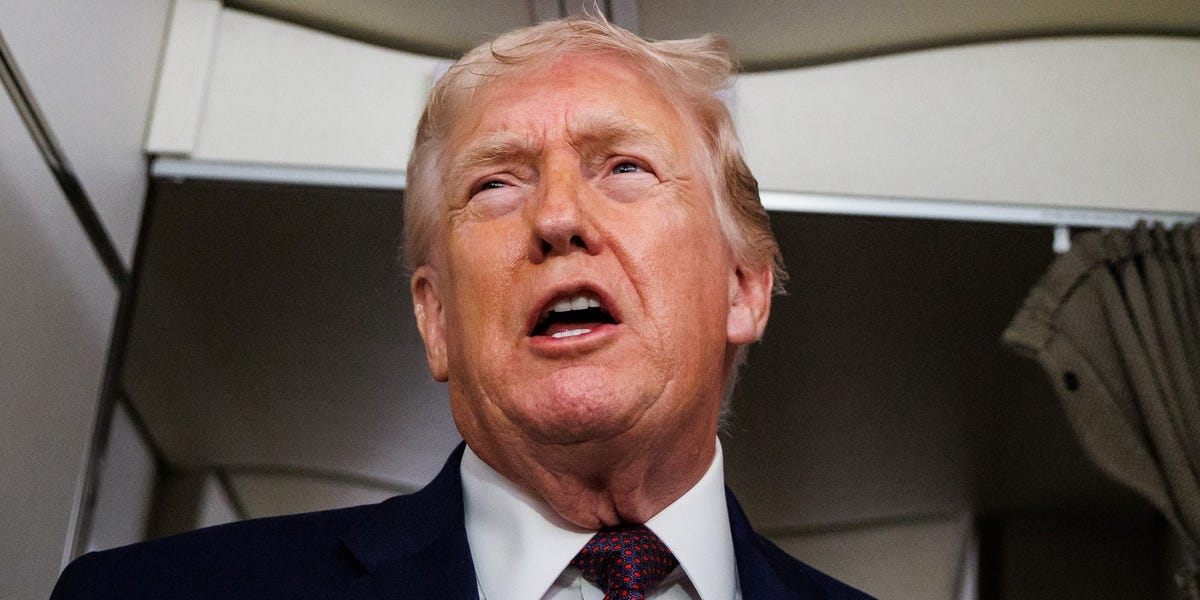
The fate of billions of dollars in revenue hangs in the balance as the U.S. Supreme Court prepares to rule on the legality of Donald Trump’s tariffs, potentially as early as Wednesday. The former president has warned of “complete mess” and insurmountable financial difficulties should the court side against his administration’s use of national security justifications for imposing these trade duties. This case isn’t just about legal precedent; it’s about the future of American trade policy and the potential for significant economic repercussions. The core question revolves around the extent of presidential power under the International Emergency Economic Powers Act (IEEPA).
The Supreme Court’s Looming Decision on Trump’s Tariffs
The Supreme Court is currently deliberating on challenges brought by several companies who were impacted by the tariffs imposed on imported steel and aluminum during Trump’s presidency. These companies argue that the tariffs, justified under Section 232 of the Trade Expansion Act of 1962 and subsequently authorized by IEEPA, were an overreach of executive authority and violated due process.
Lower courts have largely sided with the companies, ruling that the tariffs were indeed unlawful. This has created a situation where the U.S. government could be obligated to refund billions of dollars in collected tariffs – a prospect Trump vehemently opposes. The Biden administration, while having adjusted some of Trump’s trade policies, has largely defended the use of tariffs as a negotiating tactic and a means of protecting domestic industries.
Understanding IEEPA and Section 232
The International Emergency Economic Powers Act (IEEPA) grants the President broad authority to regulate international commerce during times of national emergency. Section 232 of the Trade Expansion Act of 1962 allows the President to impose tariffs on imports deemed a threat to national security.
The legal debate centers on whether the invocation of national security concerns was legitimate in the case of steel and aluminum, and whether the subsequent use of IEEPA to enforce those tariffs was a proper application of the law. Critics argue that the tariffs were primarily motivated by economic considerations, not genuine national security threats.
Trump’s Dire Warnings and Potential Financial Impact
Trump’s recent statements on Truth Social have been particularly forceful, predicting dire consequences if the court rules against him. He claims the potential refunds could amount to “Trillions of Dollars” when factoring in investments companies made to circumvent the tariffs. While this figure is likely an exaggeration, the actual amount of potential refunds is substantial, estimated to be in the billions.
The former president argues that the U.S. would be “almost impossible” to compensate companies, potentially leading to economic chaos. This rhetoric is designed to pressure the court and rally public support for maintaining the tariffs. However, Treasury Secretary Janet Yellen has publicly stated that the government can handle potential refunds, downplaying the severity of the situation. This difference in assessment highlights the political stakes involved. The issue of trade disputes is central to this case.
Biden Administration’s Position and Future Trade Policy
While the Biden administration has not echoed Trump’s alarmist predictions, it has defended the use of tariffs as a tool for economic leverage. The administration has maintained some of Trump’s tariffs, particularly those targeting China, while also initiating new trade investigations.
The current administration views tariffs as a means to protect American jobs, encourage domestic manufacturing, and address unfair trade practices. However, they also recognize the potential for tariffs to harm consumers and disrupt global supply chains. The outcome of this Supreme Court case will significantly influence the Biden administration’s future trade policy decisions. It will clarify the boundaries of presidential authority in imposing tariffs and could impact ongoing international trade negotiations.
What a Ruling Against Trump Could Mean
If the Supreme Court rules against the Trump administration, it would set a significant precedent limiting the President’s ability to impose tariffs based on national security grounds. This could have several consequences:
- Refunds to Companies: The U.S. government would likely be required to refund billions of dollars in tariffs collected from affected companies.
- Reduced Presidential Power: The ruling would curb the President’s authority to unilaterally impose trade restrictions.
- Increased Congressional Oversight: It could lead to calls for greater Congressional oversight of trade policy.
- Shift in Trade Strategy: The administration might need to rely more on traditional trade remedies, such as anti-dumping duties, and less on broad national security-based tariffs.
Conversely, a ruling in favor of Trump would affirm the broad scope of presidential power and could embolden future administrations to use tariffs more aggressively.
The Waiting Game and Potential for Further Complications
As of now, the timing of the Supreme Court’s decision remains uncertain. While Wednesday is a possibility, the court could take weeks or even months to issue a ruling. The case is complex, with significant legal and economic implications.
Regardless of the outcome, it’s likely to be followed by further legal challenges and political maneuvering. The debate over trade policy and the appropriate balance between national security and economic interests will undoubtedly continue. The decision will be closely watched by businesses, policymakers, and economists around the world, as it has the potential to reshape the global trade landscape.