


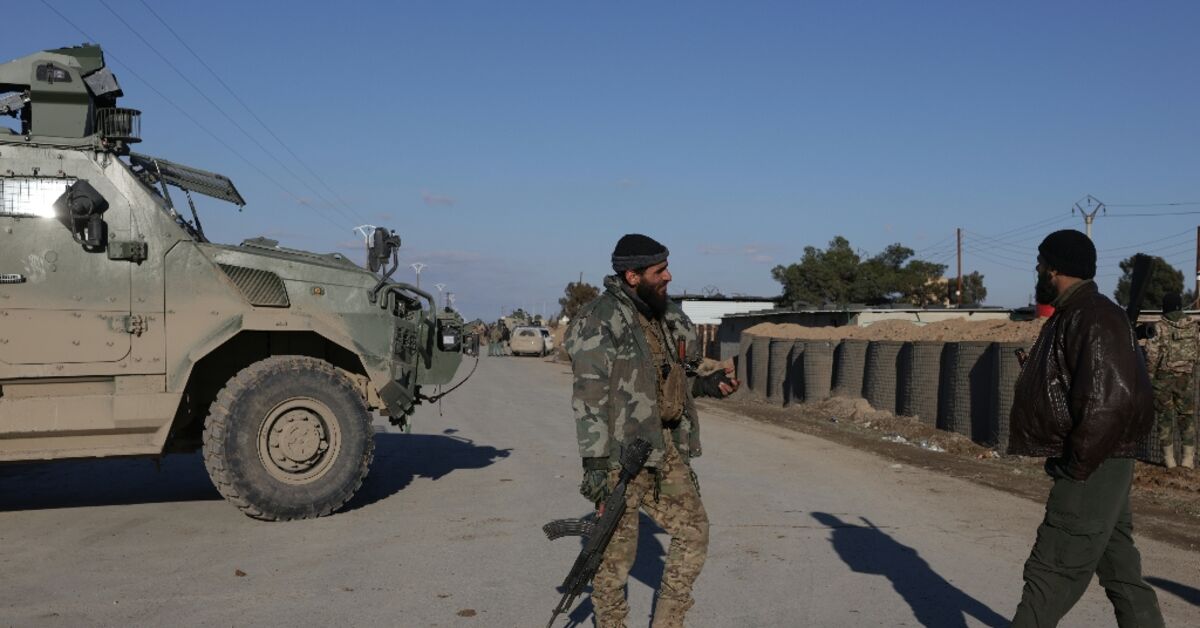
The recent developments in northern Syria, specifically the Syrian army’s offensive against Kurdish fighters, are casting a long shadow over Turkey’s delicate efforts to achieve a lasting peace with its own Kurdish population. For decades, the conflict between Turkey and the Kurdistan Workers’ Party (PKK) has been a source of instability and bloodshed, and Ankara’s current dialogue with the imprisoned PKK founder, Abdullah Öcalan, represents a potential turning point. However, the events unfolding in Syria, where Turkey has expressed support for the offensive, are fueling anxieties among Turkish Kurds and raising questions about the sincerity of the peace process.
سوريا والكرد: هل يعرقل التطورات الأخيرة عملية السلام التركية؟
(Syria and the Kurds: Will Recent Developments Undermine Turkey’s Peace Process?)
The situation is complex. Turkey views the Syrian Kurdish People’s Protection Units (YPG), the backbone of the Syrian Democratic Forces (SDF), as an extension of the PKK, a designated terrorist organization. Therefore, Ankara’s backing of the Syrian government’s push to regain control of Kurdish-held territories is, from its perspective, a legitimate counter-terrorism operation. President Erdoğan himself lauded the ceasefire agreement and integration plans as “a very important achievement,” praising the Syrian army’s “careful” approach. But this stance is deeply unsettling to Kurds within Turkey, who fear it signals a betrayal of ongoing peace talks.
تطورات الأحداث في شمال سوريا
(Developments in Northern Syria)
The Syrian army’s rapid advances, culminating in the capture of Raqqa – a city previously held by the SDF for nearly a decade after its liberation from ISIS – have significantly altered the power dynamics in northeastern Syria. This offensive followed weeks of clashes stemming from the Syrian government’s demand for the integration of the SDF into the central army. The resulting ceasefire, while welcomed by Ankara, effectively dismantles the autonomous administration the Kurds had established. This loss of autonomy is a major blow to Kurdish aspirations in Syria and is being keenly felt by Kurds across the border in Turkey.
ردود الفعل الكردية في تركيا واحتجاجات متزايدة
(Kurdish Reactions in Turkey and Growing Protests)
The violence in Syria has triggered a wave of protests within Turkey, particularly in the southeastern city of Diyarbakir, the heartland of the Kurdish community. Demonstrations have been met with a firm response from Turkish police, utilizing tear gas and rubber bullets to disperse crowds. Reports indicate at least 20 arrests were made during clashes in Diyarbakir, even amidst heavy snowfall.
Furthermore, protests erupted in Istanbul outside the headquarters of the Peoples’ Democratic Party (DEM), Turkey’s third-largest political party and a prominent voice for Kurdish rights. Police intervened, arresting 10 individuals, including French journalist Raphael Boukandoura, who was covering the demonstration. Reporters Without Borders (RSF) has swiftly called for his immediate release, highlighting concerns about press freedom. These crackdowns are exacerbating tensions and fueling accusations of hypocrisy against the Turkish government.
اتهامات بالازدواجية وتأثير ذلك على عملية السلام
(Accusations of Double Standards and Their Impact on the Peace Process)
Leaders of the DEM party have strongly criticized Turkey’s actions, accusing the government of “pure hypocrisy.” They argue that it is impossible to simultaneously portray Kurds as citizens within Turkey while supporting actions that undermine their rights and autonomy in Syria. “You cannot be constructive in Ankara and destructive in Syria,” a party statement declared.
Abbas Sahin, a DEM leader in Diyarbakir, emphasized that the Syrian operation poses a serious threat to the already “severely tested” peace process, but stressed the need for it to continue. The sentiment is echoed by other Kurdish figures, who fear the events in Syria will embolden hardliners within the PKK and derail the fragile progress made towards a resolution. The peace process itself is now under intense scrutiny.
مخاوف من رد فعل الـ PKK وتأثير ذلك على الاستقرار
(Fears of a PKK Reaction and Its Impact on Stability)
Bayram Bozyel, head of the Kurdistan Socialist Party (PSK) based in Diyarbakir, expressed concern that Turkey’s support for the Syrian offensive is “causing unease among Kurds in Turkey.” He warned that the situation could provoke a negative reaction from the PKK, deepening the existing “sense of distrust” within the Kurdish community.
Despite these anxieties, Bozyel remains cautiously optimistic, believing that Turkey “will continue the peace process and the PKK disarmament” because, in his view, there is no viable alternative. He argues that a return to armed conflict would only exacerbate the threat posed by the PKK. This highlights the delicate balancing act Turkey faces: maintaining its security interests while simultaneously attempting to address the legitimate grievances of its Kurdish citizens. The Kurdish issue is a long-standing and complex one.
مبادرة اوجلان وتوقفها
(Ocalan’s Initiative and its Stoppage)
Last year, following a call from Abdullah Öcalan, the PKK publicly announced an end to its armed struggle against Turkey, signaling a willingness to pursue Kurdish rights through democratic means. However, progress has stalled in recent weeks. A senior PKK leader stated that the group would not take further steps towards disarmament without reciprocal actions from Turkey. This stalemate underscores the importance of building trust and demonstrating a genuine commitment to a peaceful resolution on both sides. The PKK conflict has had devastating consequences for both Turkey and the Kurdish people.
In conclusion, the Syrian offensive, while presented by Turkey as a necessary step in combating terrorism, has undeniably complicated the delicate peace process with its own Kurdish population. The resulting protests, accusations of hypocrisy, and fears of a renewed PKK offensive highlight the fragility of the situation. For the process to move forward, Turkey must address the concerns of its Kurdish citizens and demonstrate a consistent commitment to dialogue and a peaceful resolution, both within its borders and in the region. The future stability of Turkey and the broader region hinges on finding a just and lasting solution to the Kurdish question.