


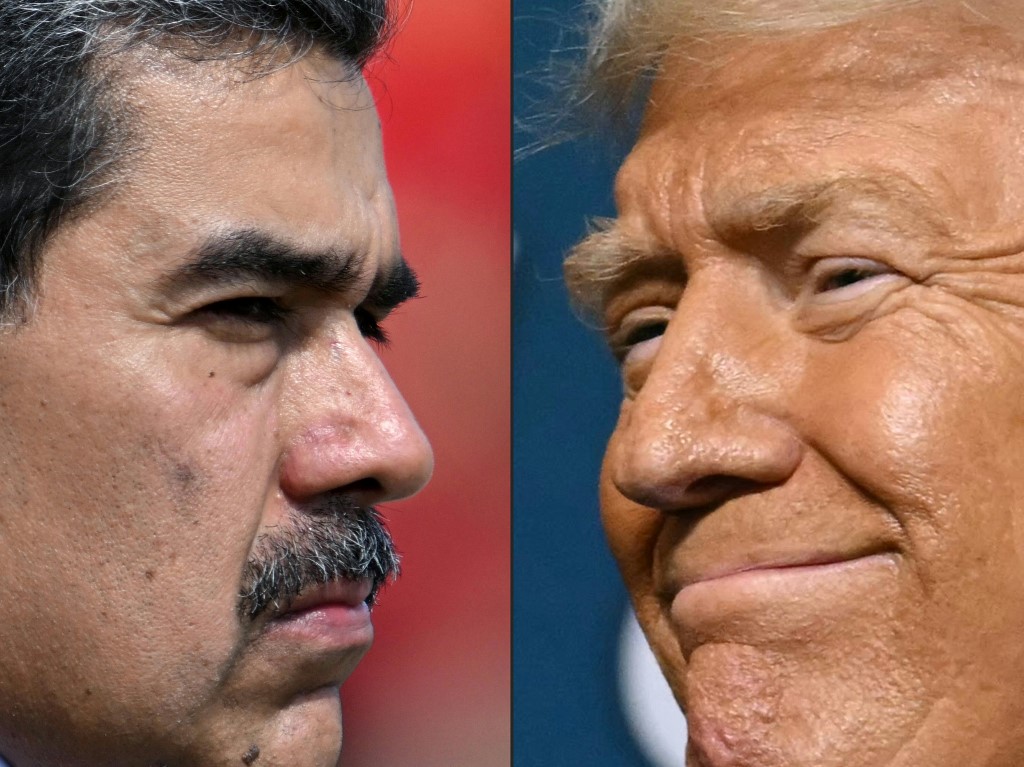
The dawn of the new year has been marred by escalating global tensions, most notably with a series of aggressive actions undertaken by the United States, including direct military strikes within Venezuela. This move, alongside continued interventions in regions like Somalia and unwavering support for Israel’s actions in Gaza, signals a potentially dangerous shift in US foreign policy, one characterized by unilateralism and a renewed willingness to employ force. The situation in US Foreign Policy is rapidly evolving, demanding close scrutiny and analysis.
US Strikes in Venezuela: A Regime Change Operation?
On Saturday, the United States launched strikes inside Venezuela, targeting multiple locations. US President Donald Trump subsequently claimed that Venezuelan President Nicolas Maduro and his wife had been “captured and flown out of the country.” While the veracity of this claim remains unverified, the strikes themselves are widely viewed as a direct attempt at regime change, following earlier, less publicized actions on Christmas Day. These included air strikes in Nigeria and Somalia, and a CIA drone strike already conducted within Venezuela.
The initial strike, described by Trump as targeting a dock area used for drug loading, has been met with condemnation. Critics point to a pattern of deadly attacks on fishing boats in the Caribbean, suggesting a pre-existing, escalating campaign masked as anti-drug operations. Some members of the US Congress have even labeled these actions as potential war crimes, a concern dismissed by the administration. This aggressive posture highlights a concerning trend in international intervention.
Expanding Military Footprint: Nigeria, Somalia, and Beyond
The strikes on Nigeria marked the first instance of the US directly targeting alleged militants within the country. In stark contrast, the operations in Somalia were conducted in secrecy, receiving no public announcement or media coverage. Somalia has become a frequent target of US military action since Trump’s return to office, yet these interventions largely escape Western media attention.
This disparity in reporting and transparency raises questions about the scope and justification of US military operations abroad. The lack of accountability and the potential for civilian casualties are significant concerns that demand greater oversight. The situation underscores the need for a more nuanced understanding of US involvement in global conflicts.
Unwavering Support for Israel and the Gaza Crisis
During a meeting with Israeli Prime Minister Benjamin Netanyahu at Mar-a-Lago, Trump reiterated his staunch support for Israel, echoing Netanyahu’s narrative regarding the conflict in Gaza. He claimed Israel had “100 percent” adhered to the terms of a previously agreed-upon ceasefire, while simultaneously blaming Hamas for violations by refusing to unilaterally disarm.
However, the reality on the ground paints a different picture. Hamas has released all living and dead hostages, as agreed, despite ongoing Israeli violations of the ceasefire, a crippling aid blockade, and relentless strikes that have resulted in the deaths of over 400 Palestinians. Furthermore, the occupied West Bank is experiencing a rapid process of annexation. Recent reports from the Palestinian Central Bureau of Statistics indicate a “sharp and unprecedented population decline” in the Gaza Strip, estimated at around 254,000 people – a 10.6% decrease since the start of the conflict in October 2023. German demographic reports suggest over 100,000 Palestinians have been killed during Israel’s two-year offensive. This escalating humanitarian crisis demands international attention and a reevaluation of US-Israel relations.
Failed Diplomacy and a Dangerous Cycle
Trump’s continued attempts to mediate between Ukraine and Russia have yielded no tangible results, as Russia continues its bombardment of Kyiv. Meanwhile, Ukraine, receiving intelligence support from the CIA, has retaliated with strikes on a cafe and hotel in a Russia-occupied Black Sea resort, resulting in numerous casualties.
This cycle of violence and failed diplomacy mirrors the situation in Gaza, demonstrating a pattern of ineffective intervention and a lack of commitment to peaceful resolutions. Trump’s approach to international relations appears to prioritize transactional deals over long-term stability and genuine peace efforts.
A New Monroe Doctrine and the Rise of Nationalism
The recent actions, particularly the strikes in Venezuela, are reflective of the new US National Security Strategy (NSS) released in November. This document outlines a starkly nationalistic and neocolonial vision for US foreign policy in the 21st century, effectively signaling the end of the post-war transatlantic era of Western unity under US leadership.
The NSS advocates for a return to a 20th-century model of intervention in Latin America, where the US exerted significant economic and political control. It explicitly mentions asserting a “Trump Corollary” to the Monroe Doctrine, authorizing the “use of lethal force” to replace existing strategies and “Establishing or expanding access in strategically important locations.” Trump’s stated desire to “take back our oil” from Venezuela underscores the economic motivations driving this policy shift. The rise of far-right, pro-US candidates across Latin America, with US support, further solidifies this trend.
The Fatal Flaw: Israel and Regional Instability
Despite the ambitious scope of the new America First doctrine, a critical flaw lies in the US’s unwavering support for Israel. As veteran journalist Jeremy Scahill points out, the US and Israel are increasingly inseparable political entities. Trump, like his predecessors, appears unable or unwilling to challenge Israel’s actions, even when they violate international law and undermine regional stability.
Israel’s continued aggression in Lebanon and Syria, coupled with Netanyahu’s persistent calls for a US attack on Iran, threaten to draw the US into further conflict. The normalization deal between Israel and Somaliland, which reportedly involves the potential relocation of Palestinian refugees and the establishment of an Israeli base overlooking Yemen, has sparked widespread protests and condemnation. This situation highlights the dangers of prioritizing short-term political gains over long-term strategic interests.
The global response to this assertive US doctrine, characterized by a focus on national sovereignty, means that other nations are likely to adopt similar approaches. This could lead to a further erosion of multilateralism and an increase in international conflict. With the latest attack on Venezuela, the world in 2026 is already looking more dangerous than ever. A critical reassessment of US Foreign Policy is urgently needed to prevent further escalation and promote a more peaceful and stable global order.
This article provides a starting point for understanding the complex and evolving landscape of US foreign policy. Further research and critical analysis are encouraged to form a comprehensive and informed opinion.