


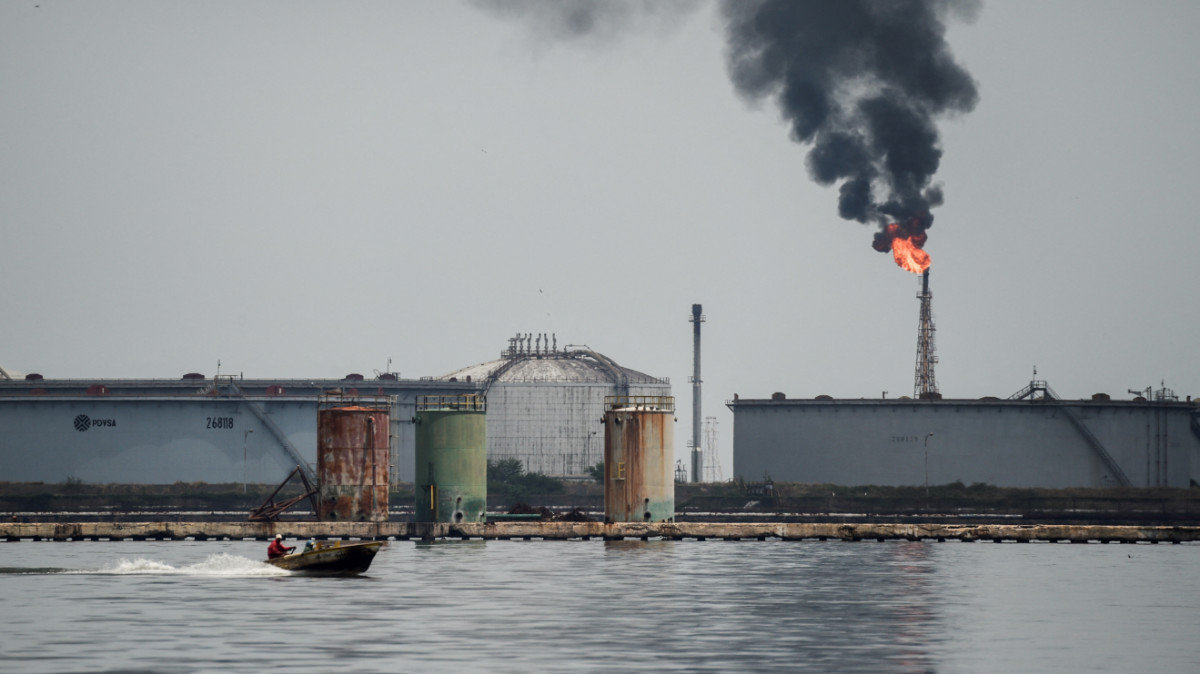
The recent political developments in Venezuela, specifically the reported US intervention and detention of President Nicolás Maduro, have triggered a significant, and arguably controversial, surge in the stock prices of US energy companies. This unexpected rally points to a calculated bet by investors on the potential for vast profits following the possible opening of Venezuela’s oil-rich market to American businesses after years of crippling sanctions. The events unfolded over the weekend and rapidly translated into financial gains for key players in the US energy sector, highlighting the complex interplay between geopolitics and investment. This article will delve into the ramifications of these events on the US energy sector, exploring the winners, potential future outcomes, and the wider implications for the global oil market.
The Immediate Impact on US Energy Stocks
Markets reacted swiftly to the news, demonstrating a clear expectation of substantial benefits for US firms with interests in Venezuela’s oil reserves. The MSCI US Energy index, a benchmark for American energy stocks, experienced a notable 2.8% increase on Monday, significantly outpacing broader market gains. This surge indicates that investors are not merely anticipating improved access to Venezuelan oil, but a complete reshaping of the industry landscape benefitting American entities.
Chevron emerged as the biggest beneficiary of this shift. As the only US energy company currently operating in Venezuela under a special license granted by the Trump administration, its share price jumped approximately six percent. Other major players, including ConocoPhillips (up 3.3%) and Exxon Mobil (up 2.4%), also saw their stocks climb, reflecting broader market optimism.
Beyond Oil Production: Service Sector Gains
The positive impact wasn’t limited to oil producers. Halliburton, a leading oilfield service company based in the US, witnessed a dramatic 10% increase in its stock value. This powerful rally emphasizes the expectation that substantial investment will flow into the American companies poised to provide crucial maintenance, parts, and services necessary to revitalize Venezuela’s oil infrastructure. The narrative is shifting from sanctioning the Venezuelan oil industry to exploiting its potential, and US firms are positioned to capitalize on this transition.
A Return to Dominance: Historical Context
For decades, US energy companies held a dominant position in Venezuela’s oil industry. However, this control began to erode following the election of Hugo Chávez in 1998. Chávez initiated a series of nationalizations, peaking around 2007, which forced many American firms to significantly curtail or completely withdraw their operations from the country. This led to substantial losses for these companies, losses they have been actively trying to recover for over a decade. The current situation presents a potential opportunity to reclaim lost ground and restore their previous influence. This reversal has also prompted discussion about foreign investment in Venezuela and its long-term effects.
Contrasting Fortunes: US vs. European Energy Companies
The gains experienced by US energy companies stood in stark contrast to the performance of their European counterparts. While the broader US stock market enjoyed a rally, major European oil firms largely remained flat. BP saw a modest 0.5% increase, while Shell actually experienced a slight dip in its share price. Even Aramco, the Saudi Arabian state-owned oil giant, saw a minor decline on the Saudi market. This divergence suggests that investors believe the benefits of the unfolding events in Venezuela are disproportionately skewed towards US-based businesses.
OPEC and the Threat of Increased Competition
Energy analysts are warning that a surge in Venezuelan oil production could pose a “serious competition” for the Organization of the Petroleum Exporting Countries (OPEC), particularly those nations leading production cuts, like Russia and Saudi Arabia. Though current Venezuelan output is below 1% of global supply, experts like Saul Kavonic of MST Financial suggest this figure “could double or triple” with renewed investment. This potential influx of supply presents a challenge to OPEC’s efforts to maintain price stability and control of the global oil market, potentially forcing a re-evaluation of production strategies. Crude oil prices themselves saw a small rise of 1.61% on Monday, closing at $61.72 per barrel, seemingly reflecting an initial expectation of increased supply.
The Role of Hedge Funds and Venezuelan Debt
Beyond the energy companies, hedge funds and asset managers holding Venezuelan debt are also poised to benefit substantially. Venezuela’s total debt is estimated at around $150 billion, including obligations of its state-owned oil company, PDVSA. Following a 2017 default and subsequent sanctions on PDVSA in 2019, Venezuelan bonds plummeted in value. However, since the beginning of the year, and accelerating with news of the potential intervention, bond prices have begun to recover.
Prior to the detention of Maduro, bonds were trading at around 31 cents on the dollar. By Monday, that price had surged to 41 cents. This increase reflects growing investor confidence that a US-backed government will work towards restructuring Venezuela’s debt, offering a pathway to recouping investments. Firms like Broad Reach Investments, Allianz Global Investors, and Elliot Management, which previously won control of a PDVSA-owned oil refinery, are likely key beneficiaries of this debt rally.
Looking Ahead: Uncertainty and Opportunity in the US Energy Sector
The situation remains highly fluid. While Maduro’s Vice President Delcy Rodriguez initially adopted a combative stance, she has since signaled a willingness to cooperate with the US, suggesting a possible path forward. However, Trump’s subsequent threats underscore the US’s firm control in the negotiation process. The future of Venezuela’s oil industry, and the extent to which US energy companies will profit, depends largely on the stability of any new government and the terms of any future agreements. Nevertheless, the initial market reaction clearly demonstrates a significant opportunity for the US energy sector, and a willingness of investors to believe in a potentially lucrative future for American businesses in Venezuela. The unfolding events warrant close monitoring as they will undoubtedly reshape the global energy landscape.