


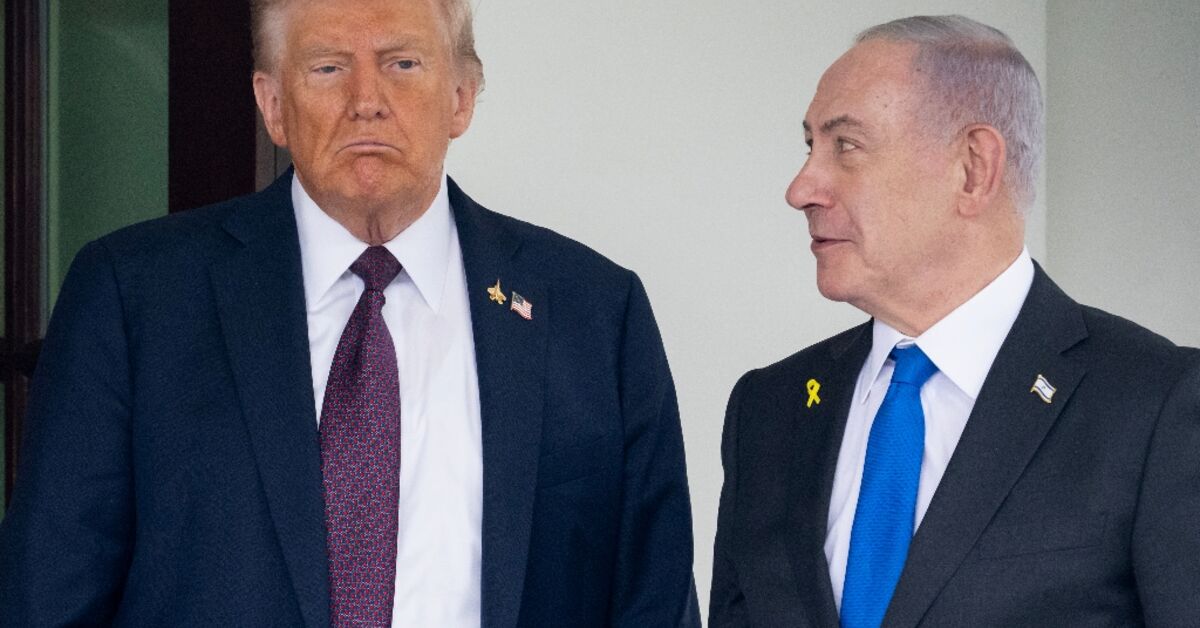
The anticipated meeting between Israeli Prime Minister Benjamin Netanyahu and US President Donald Trump in Florida on Monday is poised to be a pivotal moment in the ongoing efforts to solidify the fragile truce in Gaza. With the US administration pushing for a swift transition to the next phase of the agreement, the talks are expected to focus on the future of Gaza, the disarming of Hamas, and the escalating concerns surrounding Iran’s nuclear ambitions. The situation in Gaza remains delicate, and the success of this meeting could significantly impact the region’s stability.
## نتنياهو وترامب: اجتماع حاسم لمستقبل غزة (Netanyahu and Trump: A Crucial Meeting for the Future of Gaza)
The meeting, scheduled to take place at Trump’s Mar-a-Lago resort, comes amidst growing anxieties within the White House that both Israel and Hamas are deliberately delaying the implementation of the second phase of the ceasefire. This phase is considered critical for establishing a long-term solution to the conflict and preventing a resurgence of violence. Trump, who reportedly received a direct request from Netanyahu for these discussions, is believed to be eager to announce a Palestinian technocratic government for Gaza, alongside the deployment of an international stabilization force, potentially as early as January.
### تفاصيل المرحلة الثانية من الهدنة (Details of the Second Phase of the Truce)
The core of the discussion will undoubtedly revolve around the specifics of the second phase. Israeli officials, including government spokeswoman Shosh Bedrosian, have emphasized the necessity of “disarming Hamas and demilitarizing Gaza” as a primary condition. This is a significant hurdle, as Hamas is unlikely to willingly relinquish its weapons. The plan also envisions the establishment of an interim Palestinian authority to govern the territory and the introduction of an international stabilization force (ISF) to maintain security.
However, progress has been slow. Both sides have accused each other of violating the initial ceasefire agreement, creating an atmosphere of distrust. Gershon Baskin, co-head of the Alliance for Two States peacebuilding commission, highlighted the urgency, stating that “Phase two has to begin” and expressing concern that “Hamas has had too much time to re-establish its presence.” The delay is fueling fears that the opportunity for a lasting peace is slipping away.
### محور إيران: قلق متزايد وتصعيد محتمل (The Iran Axis: Growing Concern and Potential Escalation)
While Gaza is the immediate priority, Netanyahu is expected to steer the conversation towards Iran. He will reportedly present a case for increased US pressure on Tehran, potentially advocating for further military strikes targeting its nuclear program. Bedrosian stated that Netanyahu intends to underscore the “danger Iran poses not only to the region of the Middle East, but the United States as well.”
This focus on Iran is particularly relevant given the recent agreement between the US and Israel in June to counter Iranian activities. However, Israel fears that Iran is actively rebuilding its nuclear capabilities, and Netanyahu will likely seek assurances of continued and strengthened US commitment to preventing Iran from acquiring a nuclear weapon. This issue adds another layer of complexity to the already challenging negotiations. The situation in Syria, also impacted by Iranian influence, is expected to be briefly addressed.
## الدبلوماسية المحمومة في بالم بيتش (Frenzied Diplomacy in Palm Beach)
Netanyahu’s visit is the latest in a flurry of international diplomatic activity in Palm Beach. Just days prior, Trump hosted Ukrainian President Volodymyr Zelensky, engaging in talks aimed at resolving the ongoing conflict in Ukraine. This demonstrates Trump’s active role in seeking solutions to global crises and his willingness to engage directly with key international leaders.
Trump’s global envoy, Steve Witkoff, and son-in-law, Jared Kushner, have already been actively involved in mediating the Gaza situation, having hosted senior officials from Qatar, Egypt, and Turkey – all crucial players in the conflict – in Miami earlier this month. This proactive engagement underscores the administration’s commitment to maintaining momentum on the Gaza ceasefire.
### إحباط أمريكي متزايد من موقف نتنياهو؟ (Growing US Frustration with Netanyahu’s Position?)
Reports suggest that the Trump administration is becoming increasingly frustrated with what they perceive as stalling tactics employed by Netanyahu. Axios news outlet reported that Trump intends to convene the first meeting of a new Gaza “Board of Peace” at the Davos forum in January, but this initiative is facing obstacles.
Yossi Mekelberg, a Middle East expert at Chatham House, noted that “There are more and more signs that the American administration is getting frustrated with Netanyahu,” adding that “The question is what it’s going to do about it, because phase two is right now going nowhere.” This growing tension raises concerns about the future direction of the peace process. Some analysts believe Netanyahu may be attempting to divert attention from Gaza to Iran, particularly as Israel heads towards an election year, framing it as a matter of national security.
## التحديات المستقبلية والآفاق الممكنة (Future Challenges and Possible Prospects)
The success of Monday’s meeting hinges on the ability of both leaders to find common ground and address the concerns of all parties involved. The primary challenge remains convincing Hamas to disarm and ensuring the security of Israel. Establishing a credible and effective Palestinian technocratic government in Gaza is also crucial for long-term stability.
The international stabilization force will need to be carefully planned and deployed to avoid exacerbating tensions. Furthermore, managing the escalating situation with Iran and preventing a wider regional conflict will require a delicate balance of diplomacy and deterrence. The future of the Gaza truce, and indeed the broader stability of the Middle East, may well depend on the outcome of this critical meeting between Netanyahu and Trump. Continued monitoring of the situation and further analysis of the evolving dynamics will be essential in the coming weeks and months.