


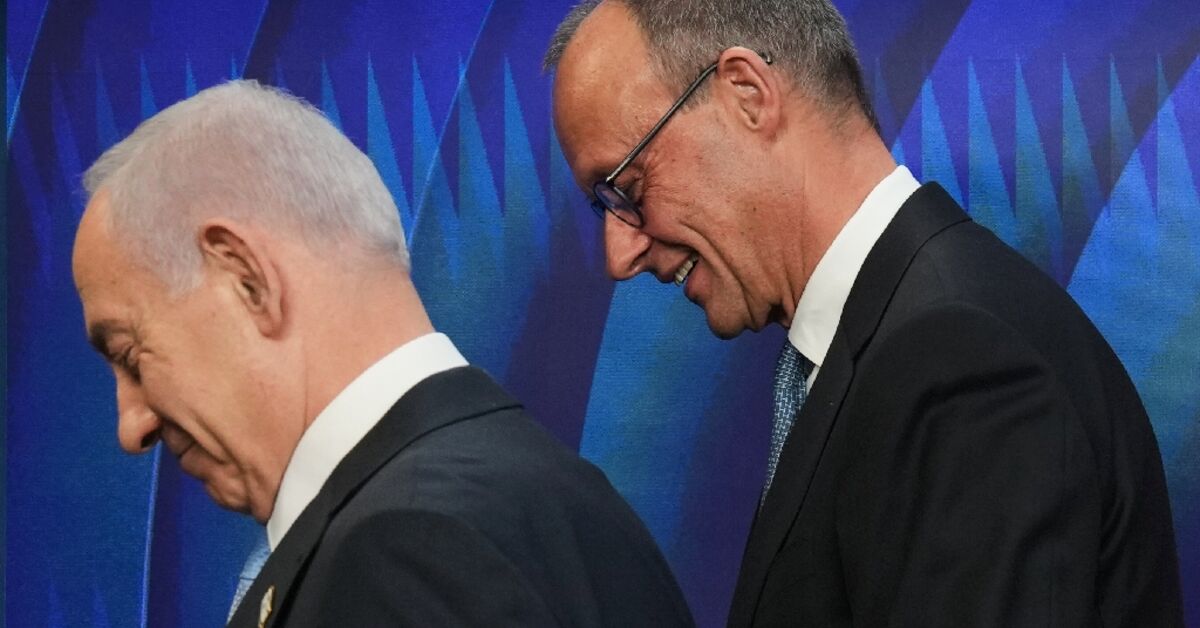
The situation in Gaza remains a central focus of international diplomacy, with recent developments indicating a potential shift towards the next phase of a US-sponsored ceasefire plan. Israeli Prime Minister Benjamin Netanyahu announced on Sunday his expectation that the second phase of the agreement will commence shortly, alongside plans for a meeting with former US President Donald Trump later this month. This follows a truce established on October 10th, halting the conflict that erupted after Hamas’s attack on Israel on October 7, 2023 – a significant event shaping the ongoing Gaza ceasefire.
Phases of the Ceasefire and Hostage Release
The initial phase of the ceasefire, in effect since October 10th, centered around the release of hostages taken during the Hamas attack. The militant group committed to returning 47 living and deceased captives, and to date, all but the body of one Israeli police officer have been repatriated. This successful, though painful, outcome has paved the way for discussion on the more complex subsequent stages.
Moving Towards Phase Two: Disarmament and Governance
The second phase, as outlined by Netanyahu, is anticipated to be “more difficult” and concerns crucial elements for long-term stability. These include the complete disarming of Hamas, a process fraught with challenges given the group’s deeply entrenched presence in Gaza. Furthermore, the plan envisions the establishment of a transitional authority to govern the territory and the deployment of an international stabilization force to maintain order and security. The specifics of these elements are still under negotiation, and their implementation will require significant international cooperation.
Netanyahu’s Upcoming Meeting with Donald Trump
Netanyahu revealed that he received an invitation from Donald Trump to visit the White House later in December. The purpose of this meeting is to discuss “opportunities for peace” in the region. This development is particularly noteworthy given Trump’s previous role in brokering the Abraham Accords, which normalized relations between Israel and several Arab nations. The potential for renewed US engagement in the peace process, under a future Trump administration, is a key factor influencing current diplomatic efforts surrounding the Israeli-Palestinian conflict.
German Support and Criticism
Accompanying these developments, German Chancellor Friedrich Merz visited Jerusalem, reaffirming Germany’s support for Israel’s security. However, Merz also reiterated his criticism of Israel’s military campaign in Gaza, which has resulted in a devastating loss of Palestinian life.
Merz acknowledged Germany’s “enduring historical responsibility” stemming from the Holocaust, emphasizing the importance of Israel’s existence. He also stressed that criticism of Israeli policies should not be conflated with antisemitism, a crucial distinction in the current climate. Germany is actively providing humanitarian aid to Gaza and has pledged to contribute to reconstruction efforts, demonstrating a multifaceted approach to the crisis. The German leader urged the swift implementation of the next steps in the ceasefire plan.
Arms Sales and International Legal Considerations
Germany had previously restricted arms sales to Israel destined for use in Gaza, citing concerns over civilian casualties. These restrictions were later lifted following the implementation of the ceasefire. This decision highlights the delicate balance between maintaining strong bilateral ties and upholding international humanitarian law.
Meanwhile, Netanyahu faces a potential arrest warrant from the International Criminal Court (ICC) over alleged war crimes committed in Gaza. He explicitly stated his reluctance to travel to countries where such a warrant could be enforced, clarifying that his decision not to visit Germany was linked to the ICC’s actions. This legal challenge adds another layer of complexity to the already fraught political landscape. The issue of international law and accountability is becoming increasingly prominent in the context of the Gaza conflict.
Continued Violence and the Arrow Missile Defense System
Despite the truce, violence continues to claim lives in Gaza. Local health authorities report over 360 Palestinian deaths since the ceasefire began, alongside the loss of three Israeli soldiers. This underscores the fragility of the agreement and the ongoing challenges to achieving lasting peace.
In a separate, but significant, development, Germany has activated the first phase of the Israeli-made Arrow missile defense shield. This $4.5-billion deal, the largest arms export agreement in Israeli history, demonstrates the continued strength of military cooperation between the two nations, even during periods of political tension. This highlights Israel’s continued development of its defense capabilities.
Looking Ahead: A Path to Stabilization?
The anticipated commencement of the second phase of the ceasefire plan marks a critical juncture in the Gaza conflict. Successfully disarming Hamas, establishing a viable transitional authority, and deploying a robust international stabilization force will be immensely challenging. However, these steps are essential for creating a more secure and sustainable future for both Israelis and Palestinians. The upcoming meeting between Netanyahu and Trump could prove pivotal in shaping the future direction of peace negotiations. The international community must remain actively engaged to support these efforts and prevent a resurgence of violence.