


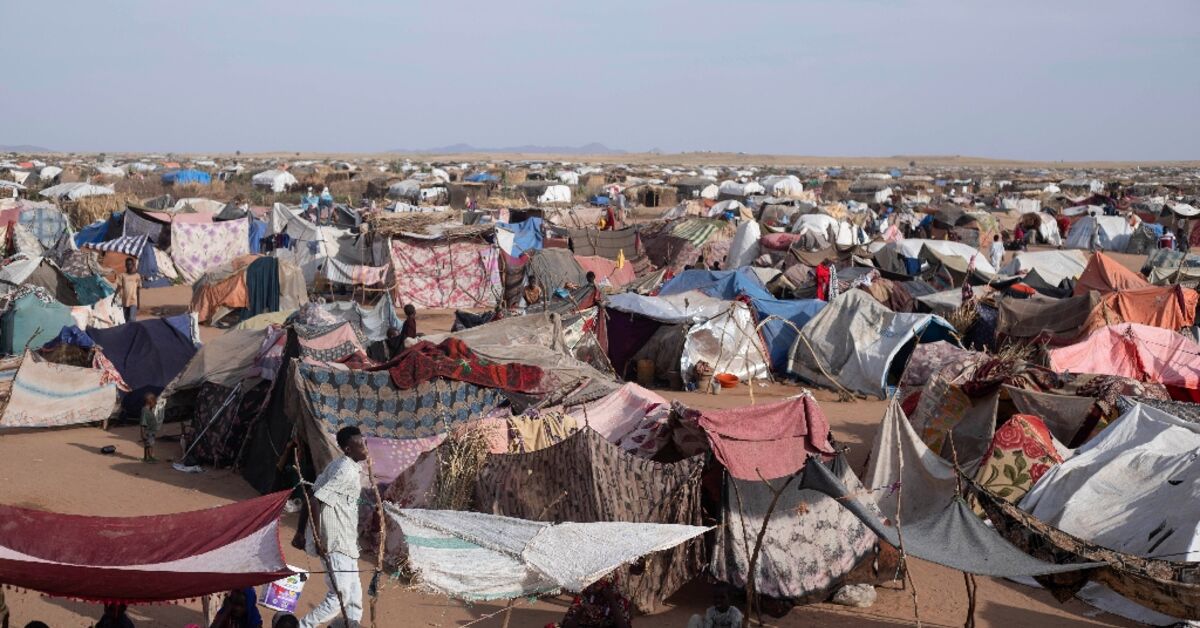
The conflict in Sudan has drawn in fighters from across the globe, but a disturbing trend has emerged: hundreds of Colombian ex-soldiers lured by promises of high salaries are finding themselves embroiled in a brutal war marked by widespread atrocities. An investigation by the Agence France-Presse (AFP) has revealed a complex network – shrouded in secrecy and motivated by profit – that has funneled these mercenaries to support the paramilitary Rapid Support Forces (RSF), accused of committing genocide in Darfur. This article delves into the findings of the AFP investigation, exposing the pathways, the pay incentives, and the tragic consequences for the Colombian fighters and the Sudanese people.
تجنيد الكولومبيين في السودان: شبكة الربح والصمت
The situation in Sudan is dire. Since April 2023, the country has been locked in a devastating power struggle between the RSF and the Sudanese army. This conflict isn’t solely a Sudanese affair; regional powers like the United Arab Emirates, Egypt, Saudi Arabia, and Iran are fueling the instability with their competing interests. While foreign mercenaries have participated on both sides, primarily hailing from African nations like Eritrea and Chad, the involvement of Colombian fighters is uniquely sophisticated. They possess sought-after expertise in drone and artillery warfare, making them particularly valuable to the RSF. The appeal? Salaries ranging from $2,500 to $4,000 a month – a sum up to six times their former army pensions, a significant draw for retired Colombian soldiers.
طريق المرتزقة: من كولومبيا إلى ساحات القتال في دارفور
The AFP investigation uncovered how recruitment initially began via WhatsApp, connecting prospective mercenaries with recruiters. The initial portrayal was deceptive: the job was presented as one in Dubai, with a period of training. However, Dubai turned out to be merely a transit point. These Colombian ex-soldiers were then routed through one of two pathways to reach Sudan.
The first route involved a stopover in eastern Libya, an area controlled by military strongman Khalifa Haftar and heavily influenced by the UAE. This corridor has become a vital lifeline for the RSF, providing weapons, fuel, and crucially, fighters. The second route utilized an airbase in Bosaso, Somalia, a base with a known presence of Emirati military officials.
Geolocation of videos recorded by the mercenaries themselves confirms their presence in some of the most intense fighting zones in Darfur, including areas surrounding El-Fasher, where evidence of mass killings, abductions, and systematic rape has surfaced.
الاستهداف المباشر لجنوب دارفور
Specifically, the reports detail the mercenaries’ involvement in the capture of El-Fasher in October, a city which saw horrific levels of violence. Footage illustrates Colombians driving past the ruins of Zamzam camp, a location overrun by the RSF in April, where an estimated 1,000 people were killed and over 400,000 were displaced. Heartbreakingly, some videos portray the very same mercenaries posing with young boys armed with assault rifles and providing weapons training, raising severe concerns about child recruitment by the RSF.
دور الإمارات العربية المتحدة في هذه العمليات
The US government recently sanctioned four Colombian nationals and their companies for their role in this transnational network, but crucially, it did not name the alleged Emirati link. AFP’s investigation points towards Global Security Services Group (GSSG), a private security contractor based in Abu Dhabi with high-profile Emirati government clients.
The UAE continuously denies backing the RSF. Responding to AFP’s inquiries, a senior Emirati official stated that the UAE believes “there is a pattern of disinformation surrounding this war that helps no one.” However, the documented evidence – the transit routes through UAE-aligned territories, the utilization of UAE facilities, and the involvement of GSSG – creates a strong case for further scrutiny. The investigation reveals a pattern of facilitating the movement of foreign fighters and providing logistical support.
الفجوة بين الوعد والواقع
Back in Colombia, the families of these mercenaries are left in anguish and uncertainty. “They still haven’t brought his body home,” a widow confessed, fearful of providing her name. Her husband, a 33-year-old ex-soldier, died within three months of arriving in Sudan, as the RSF’s campaign to seize Western Darfur faltered.
The high salaries promised often fail to materialize fully, and the risks are far greater than initially presented. Many are finding themselves not as highly skilled technicians, but as frontline soldiers in a brutal and unforgiving conflict. The US alleges that Colombian fighters have actively supported the RSF in atrocities and, tragically, at least 43 have been confirmed killed by Sudanese authorities. This situation highlights a insidious form of human trafficking, where vulnerable veterans are exploited for profit.
الأثر القانوني والردود الإقليمية
The growing outrage over the recruitment of Colombian mercenaries led to a new law in Colombia banning such actions. However, for many, the legislation came too late. The story of one 25-year-old Colombian fighter who perished in Sudan, and whose ashes were recently returned home, is a grim reminder of the human cost.
The United Nations has also expressed its concerns, and investigations are underway to ascertain the full extent of the involvement of external actors in the conflict. Somali officials have announced they will investigate reports regarding the use of their airports to transport mercenaries. However, a commitment to transparency and accountability from all regional stakeholders is critical to resolving this complex and dangerous situation and to prevent further exploitation of vulnerable individuals.
The revelations from the AFP investigation paint a disturbing picture of a conflict fueled by not only regional power struggles but also a cynical disregard for human life and international norms. The exploitation of Colombian veterans, lured by false promises and exposed to unimaginable violence, demands a thorough investigation and a concerted effort to halt the flow of mercenaries to Sudan and prevent future tragedies. The fate of Sudan, and the well-being of those caught in its conflict, depends on it.