


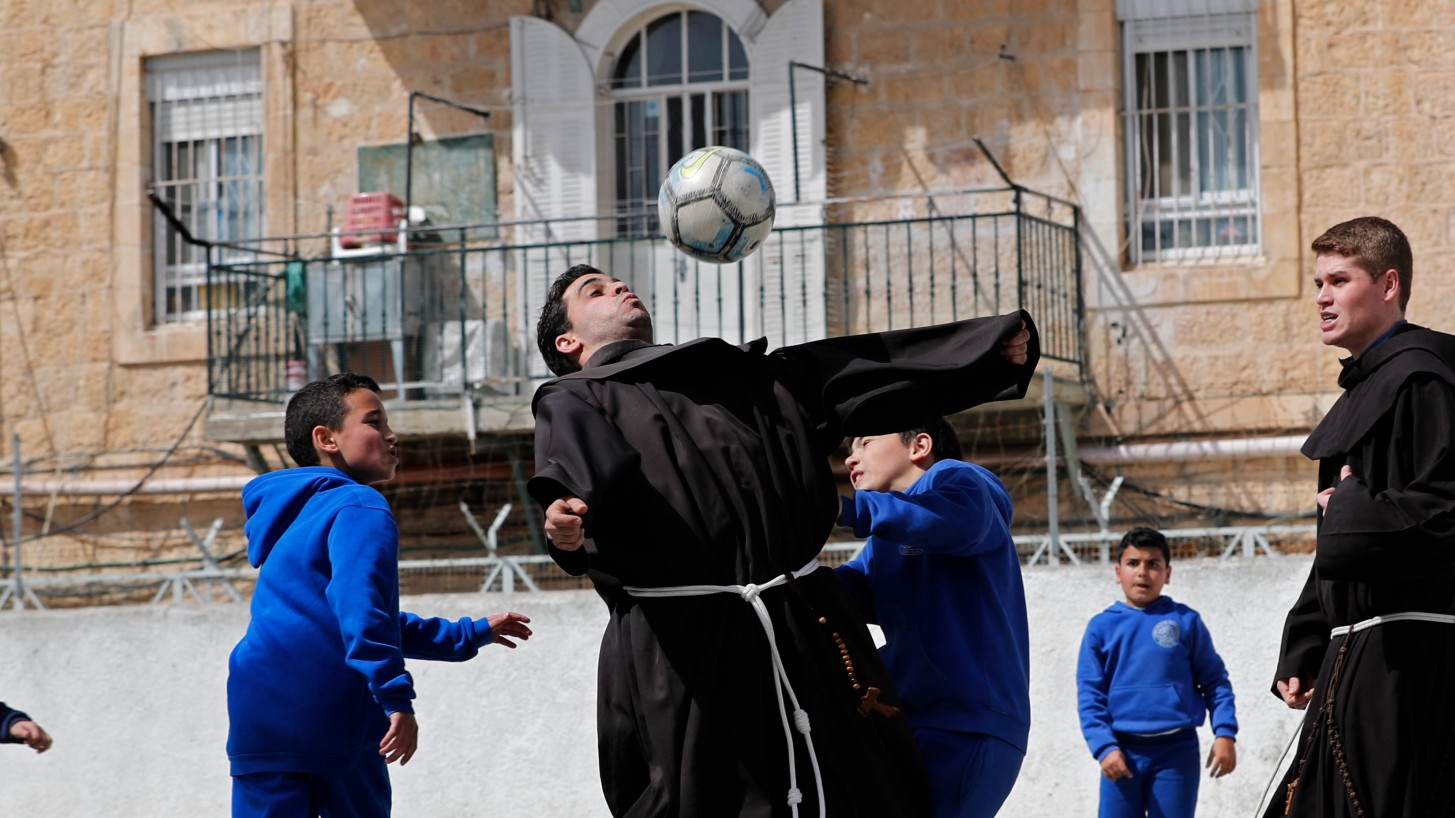
The escalating tensions surrounding education in Jerusalem have reached a critical point, with Christian schools in Jerusalem announcing significant protest measures. These steps, including the suspension of classes and a mass strike, are a direct response to what school officials and community leaders describe as arbitrary and disruptive Israeli policies impacting hundreds of teachers and, ultimately, thousands of students. The core issue revolves around restrictions imposed on work permits for teachers residing in the West Bank, threatening the continuity of education within these vital institutions.
تعليق الدروس وإضراب شامل.. مدارس مسيحية في القدس تصعد احتجاجاتها ضد سياسات إسرائيلية
(Suspension of Lessons and General Strike… Christian Schools in Jerusalem Escalate Protests Against Israeli Policies)
The recent actions taken by the schools represent a desperate attempt to address a growing crisis. Israel’s decision to limit the renewal of work permits for teachers from the West Bank has created a severe staffing shortage, directly affecting the quality of education provided to over 12,000 students enrolled in the 15 Christian schools in Jerusalem. These schools, employing a total of 820 teachers and staff, rely heavily on the expertise of 235 educators who hold West Bank ID cards and require “entry permits to Israel” for their daily commute.
القيود على التصاريح.. بداية الأزمة
(Restrictions on Permits… The Beginning of the Crisis)
The current situation marks a significant departure from previous practices. At the beginning of the new academic term, the Israeli Civil Administration unexpectedly refused to renew the permits of numerous teachers, placing others under review. Furthermore, some teachers were issued third-category permits, restricting their access to the city to only certain days of the week – crucially, excluding Saturdays, a primary school day for many Christian institutions. This has created an untenable situation for both educators and school administrators.
Ibrahim Faltas, the principal of the Terra Sancta School in Jerusalem, explained to Middle East Eye that the schools were prepared to resume classes on Saturday following the Christmas break. However, the denial of permits to 235 teachers effectively prevented this. “Most of the teachers from the West Bank don’t have full permits, meaning they are prohibited from entering the city on Saturdays, the days when Christian schools are open. A permit must cover the entire week,” he stated. He emphasized that this is the first time such widespread permit restrictions have been implemented, despite ongoing attempts to find a resolution.
فقدان الخبرة وتأثيرها على الطلاب
(Loss of Expertise and its Impact on Students)
The impact of this policy extends far beyond immediate staffing concerns. Faltas highlighted the irreplaceable value of the affected teachers, stating, “We cannot find replacement teachers, because the teachers from the West Bank have over 20 years of experience.” The loss of these experienced educators not only disrupts the learning process but also threatens the livelihoods of 235 families. This situation adds to the existing challenges faced by schools in Jerusalem, including curriculum issues, a general shortage of qualified staff, and significant logistical difficulties.
These schools in Jerusalem are not simply educational institutions; they are cornerstones of the community, boasting a long and prestigious history. Affiliated with all the churches in the city, they represent a vital part of Jerusalem’s diverse cultural and religious landscape.
تهديد وجودي للمسيحيين في القدس
(An Existential Threat to Christians in Jerusalem)
The restrictions on teachers’ permits are viewed by many as part of a broader pattern of Israeli policies targeting the Christian community in Jerusalem and the West Bank. Like all Palestinians, Christians face ongoing violations, including restrictions on religious freedom, physical and verbal assaults, vandalism of churches and cemeteries, and the seizure of properties. Access to Jerusalem, particularly during religious holidays, is also severely limited, raising concerns about a deliberate attempt to alter the city’s religious demographics. This is a key concern for the preservation of Christian presence in Jerusalem.
Reverend Munther Ishaq, pastor of the Evangelical Lutheran Church in Bethlehem, pointed to the irony of Israel claiming to protect Christians while simultaneously undermining their educational institutions. He condemned the requirement for Palestinians to obtain military permits to work in Jerusalem as unacceptable, arguing that it perpetuates occupation, injustice, and apartheid. “Just because they boast about giving us permits during the holiday week doesn’t mean they’re doing us a favour. We are indigenous here and have been praying for 2,000 years,” Ishaq asserted.
حملة ممنهجة ضد التعليم
(A Systematic Campaign Against Education)
The education sector in Jerusalem is facing a systematic campaign of targeting by Israel. This includes the forced imposition of the Israeli curriculum on Palestinian schools, financial and licensing pressures, threats of school closures, and obstruction of renovation and construction projects. Students and teachers are routinely subjected to harassment at checkpoints and during raids. Furthermore, a chronic shortage of classrooms and infrastructure, stemming from deliberate policies of neglect, exacerbates the problem.
Jerusalem’s schools are categorized into several types: private schools, Waqf schools (affiliated with the Palestinian Authority and operating under Jordanian administration), Unrwa schools (which were closed last year due to a ban on the agency’s activities), municipal schools (under the Israeli Ministry of Education), and contract schools (operating under substandard conditions to address classroom shortages). According to the Faisal Husseini Foundation, Jerusalem schools enroll approximately 2,000 new students annually, requiring 80 new classrooms. However, Israel typically provides only around 36, resulting in a current shortage of 10,000 school places.
Fakhri Abu Diab, a researcher specializing in Jerusalem affairs, believes Israel is deliberately attempting to dilute Palestinian education, awareness, and culture. He argues that the tightening grip on private, Waqf, and Christian schools in Jerusalem is ultimately aimed at controlling the mindset of the students and suppressing Arab culture within the city. “What is happening in these schools is that Israel wants to make them subordinate to one administration… in order to change the mentality and culture and take control of the future generation,” Abu Diab explained.
This situation demands urgent attention and a just resolution to ensure the continued provision of quality education for all students in Jerusalem and the preservation of the city’s diverse religious and cultural heritage. Further research into the impact of these policies and the ongoing efforts to support Palestinian education in Jerusalem is crucial. Share this article to raise awareness about this critical issue.