


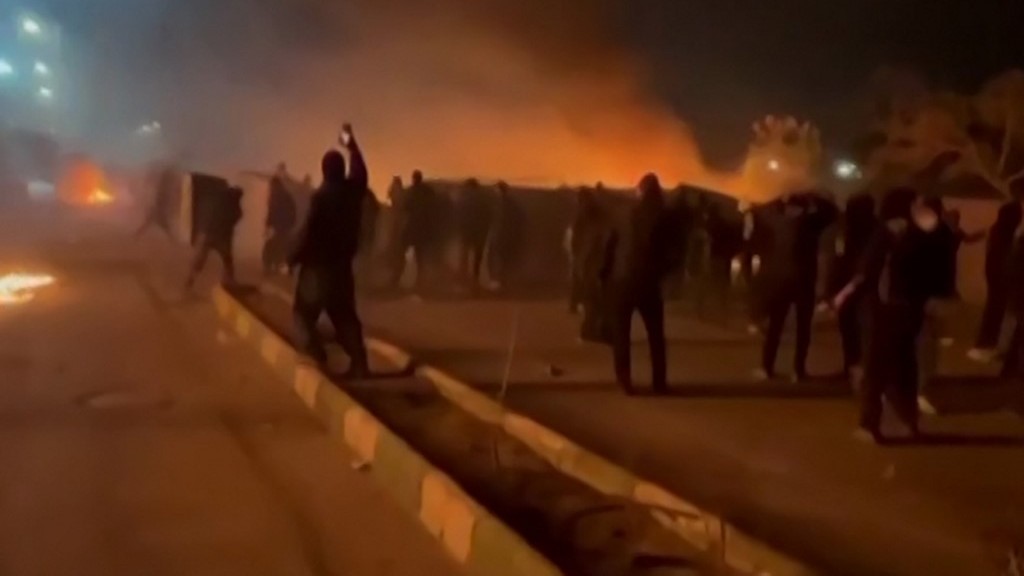
The recent surge in protests across Iran, sparked by escalating living costs and government repression, has drawn international attention, including a controversial statement from former US Secretary of State Mike Pompeo. In a post on X (formerly Twitter), Pompeo expressed support for the Iranian protesters while simultaneously referencing Mossad, Israel’s intelligence agency, fueling speculation about foreign involvement in the unrest. This has ignited debate within Iran and internationally, raising questions about the motivations behind the protests and the potential for external intervention. The situation remains volatile, with a growing death toll and increasing calls for regime change.
Escalating Protests and International Reactions
Since late December, Iran has been gripped by widespread demonstrations, initially triggered by economic hardship but quickly evolving into broader calls for political reform and an end to the Islamic Republic. The protests have spread to all 31 of Iran’s provinces, indicating a deep-seated and widespread discontent. Reports from organizations like Iran Human Rights (IHR) indicate a grim reality, with at least 648 confirmed deaths and approximately 10,000 arrests. Iranian security officials, however, suggest the death toll could be significantly higher, potentially reaching 2,000 including security personnel.
Amidst this escalating crisis, international figures have weighed in. Former US President Donald Trump has offered support to the protesters, vaguely promising “help is on its way.” This rhetoric, coupled with Pompeo’s provocative statement about Mossad, has amplified concerns about potential foreign interference in Iranian affairs. The core of the issue revolves around the Iran protests, and the external factors influencing them.
Pompeo’s Controversial Statement and Internal Suspicion
Pompeo’s message – “Happy New Year to every Iranian in the streets. Also to every Mossad agent walking beside them” – was met with confusion and alarm. It provided ammunition for the Iranian government, which routinely accuses foreign powers, particularly the US and Israel, of orchestrating unrest to destabilize the country.
Sara, a 39-year-old protester from Tehran, expressed her bewilderment to Middle East Eye. “I don’t know what Mike Pompeo really meant by that tweet saying Mossad agents were among the protesters,” she said, adding that she suspects deliberate attempts to steer the protests towards violence. Her concerns reflect a growing unease among some protesters about the potential for the movement to be hijacked by external forces. This sentiment is fueled by observations of destructive acts that seem inconsistent with the goals of peaceful regime change.
Fears of Foreign Intervention and Historical Precedents
The current unrest has drawn comparisons to the 2022 protests sparked by the death of Mahsa Amini, which focused on restrictive dress codes. However, the present demonstrations are more heavily centered on economic grievances. Despite the economic focus, the specter of regime change looms large, prompting increased discussion of potential foreign intervention.
The US “kidnapping” of a close ally of Iran in Venezuela, as perceived by some, has further heightened these anxieties. The memory of past interventions in Iraq and Afghanistan, and their destabilizing consequences, weighs heavily on the minds of many Iranians. The idea of a repeat scenario, even with different actors, is deeply unsettling. The potential for a repeat of these scenarios is a key concern surrounding the Iranian uprising.
Diverging Views Within Iran
The question of foreign involvement has created divisions within the protest movement itself. Artin, a 17-year-old from Karaj, firmly believes the US and Israel should actively support the protesters. “Both of them are friends of the Iranian people,” he stated, expressing a desire to return to the era of the Shah and improved relations with the West. He dismisses accusations of Israeli involvement as a common tactic used by the regime to discredit the protests.
However, others are more cautious. Reza, a 28-year-old from Tehran, sees a dangerous dynamic at play. “They are turning Iran into ruins, and Israel is the happiest about it,” he lamented, expressing skepticism about Israel’s motives. He questions whether Israel genuinely desires a democratic Iran, suggesting they are more interested in a weakened neighbor. This highlights the complex geopolitical landscape surrounding the Iran crisis.
The Role of the Pahlavi Dynasty and Regional Implications
The exiled son of Iran’s former ruler, Reza Pahlavi, has been actively positioning himself as a potential successor. He has cultivated relationships with American and Israeli officials and openly called for international pressure on the Islamic Republic. While promising a secular democratic state, his potential leadership raises concerns given his father’s autocratic past.
Meanwhile, European Commission President Ursula von der Leyen has pledged new sanctions against Tehran in response to the escalating violence. Demonstrations in support of Iranian protesters have also taken place globally, with some participants carrying photos of Reza Pahlavi and calling for US intervention.
A “Deadlocked” Situation?
The situation in Iran appears increasingly “deadlocked,” as described by Reza. The current government has demonstrated a firm commitment to repression, while external actors like Trump and Netanyahu are perceived as having their own agendas. The risk of further escalation and regional instability remains high. The future of the Iranian revolution hangs in the balance, dependent on the internal dynamics of the protest movement and the calculations of external powers. The need for a peaceful and internally driven resolution is paramount, but the path forward remains uncertain.