


As 2026 begins, the grim reality of the ongoing Israeli genocide in Palestine casts a long shadow. While a ceasefire was nominally established in October, the daily violations by Israeli forces – through bombings, shootings, and the deliberate obstruction of humanitarian aid – reveal a disturbing truth: the cessation of hostilities merely slowed the pace of devastation to a level palatable for international observers. The world watches as a humanitarian catastrophe unfolds, and the foundations for a just and lasting peace erode further.
The Ceasefire in Name Only: Continued Atrocities in Gaza
In the three months following the ceasefire agreement, over 442 Palestinians have tragically lost their lives at the hands of Israeli forces. Though a reduction from the peak of the conflict, this continued loss of life underscores the fact that the fundamental issues driving the violence remain unaddressed. The suffering in Gaza is not diminishing; it is being prolonged, exacerbated by the systematic denial of essential resources and the increasing fragmentation of the territory.
The deliberate division of Gaza is becoming increasingly apparent, with the so-called “yellow line” – marking areas of Israeli control – steadily shifting westward. This encroachment not only restricts Palestinian movement and access to land but also solidifies a de facto partition that undermines any prospect of a unified and sovereign Palestinian state. This situation presents a significant challenge to international donors, including the United Kingdom, who are expected to contribute to Gaza’s reconstruction and stabilization.
Britain’s Dilemma: International Law vs. US Foreign Policy
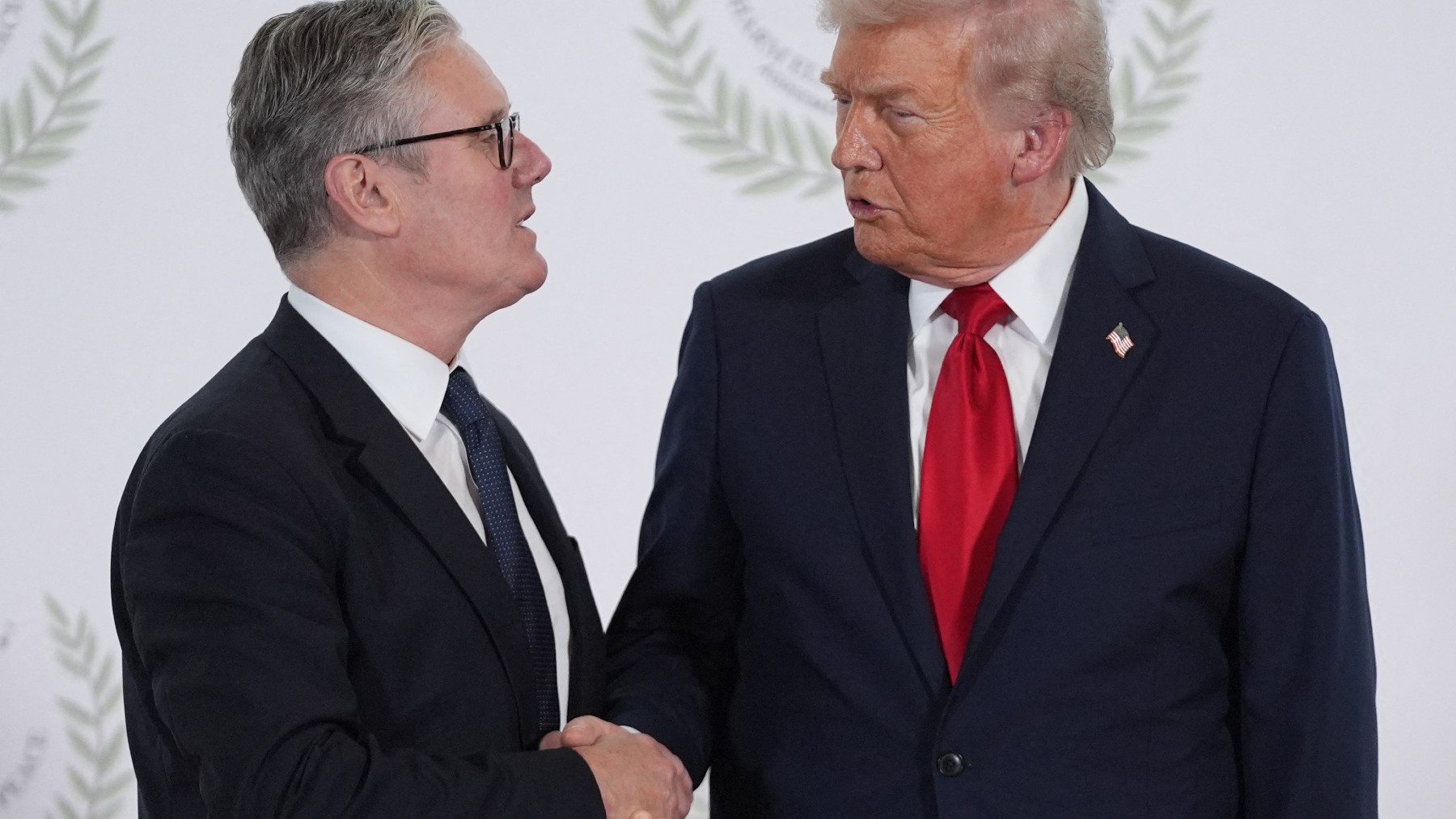
The current geopolitical landscape further complicates the situation. The recent actions of the US administration, particularly the controversial apprehension of Venezuelan President Nicolás Maduro, have cast doubt on its commitment to international law and the rules-based order. This creates a difficult position for Britain, which traditionally champions these principles.
Israeli Prime Minister Benjamin Netanyahu’s apparent satisfaction with the status quo is a stark indication of the imbalance of power and the lack of genuine pressure on Israel to halt its actions. Downing Street finds itself in a precarious position, constantly weighing its response to the situation in Gaza against the potential repercussions from an unpredictable and assertive US president. This has resulted in a perceived lack of backbone, a hesitancy to take decisive action that aligns with its stated values.
The Trump Plan and the Need for a Firm Stance
For how long can Britain tolerate a situation that demonstrably fails to end the Israeli genocide in Palestine and offers no viable path towards a long-term solution? The so-called “Trump plan” – a deeply flawed and biased proposal – is being actively undermined even as it exists on paper. Britain’s reluctance to publicly condemn the US operation in Venezuela sets a worrying precedent, signaling a willingness to prioritize political expediency over adherence to international law.
The offer of a seat on the proposed “board of peace” orchestrated by the US administration should be met with a firm “no” unless its mandate is fundamentally revised. Currently, the board risks becoming a mere façade, legitimizing an American-Israeli strategy aimed at suppressing Gaza and preventing Palestinian self-determination. Furthermore, adopting this structure could set a dangerous precedent, bypassing the established mechanisms of the United Nations in resolving future conflicts.
From Concern to Coercive Measures: A Call for Action
The time for expressing “concern” is over. The British government must transition to implementing concrete, coercive measures to compel Israel to change its behavior. Israel should not be treated as a standard democratic state, but as an actor actively preventing peace and violating international norms. This requires a fundamental reassessment of the UK’s relationship with Israel.
Addressing the Humanitarian Crisis
The immediate priority must be to ensure the unimpeded flow of humanitarian aid into Gaza. Britain should actively pressure Israel to lift its draconian restrictions on UN and humanitarian agencies operating within Palestine, and be prepared to impose sanctions if necessary. The current situation is a humanitarian catastrophe, and the UK has a moral and legal obligation to alleviate the suffering of the Palestinian people.
Preparing for Escalation in the West Bank
Simultaneously, Britain must anticipate and prepare for a potential escalation of violence in the occupied West Bank. With Israeli elections looming in October, Netanyahu is likely to intensify his efforts to consolidate support from the right-wing electorate, potentially at the expense of Palestinian lives and stability.
Strengthening Support for Palestinian Statehood
Britain’s recent recognition of the state of Palestine provides a foundation for a more proactive and principled approach. This recognition must be translated into concrete actions, including:
- Reinforcing Sanctions: Expanding sanctions to include all dealings with Israeli settlements and the broader occupation infrastructure. The announcement of new settlement construction, such as the E1 project, provides ample justification for such measures.
- Negotiating Bilateral Agreements: Initiating negotiations with the Palestinian Authority on bilateral agreements, including a free trade agreement, to strengthen economic ties and support Palestinian development.
- Promoting Good Governance: Providing assistance to enhance governance within the Palestinian Authority, addressing concerns about its credibility and legitimacy while respecting Palestinian agency.
- Consistent Messaging: Consistently affirming that Gaza is an integral part of the state of Palestine and that the unlawful Israeli occupation must end.
The future of the Palestinian Authority is also uncertain, with President Abbas nearing the end of his life and facing increasing financial pressure from Israel. Britain should actively oppose any attempts to dismantle the PA, while simultaneously working towards the establishment of a genuinely credible and representative Palestinian government. This government must be empowered to assume responsibility for Gaza, free from Israeli interference and control.
Ultimately, addressing the Israeli genocide in Palestine requires a shift in mindset. Britain must move beyond reactive diplomacy and embrace a proactive strategy based on international law, human rights, and a genuine commitment to a two-state solution. This is not only the right thing to do, but it is also in line with British public sentiment and the long-term interests of regional stability.