


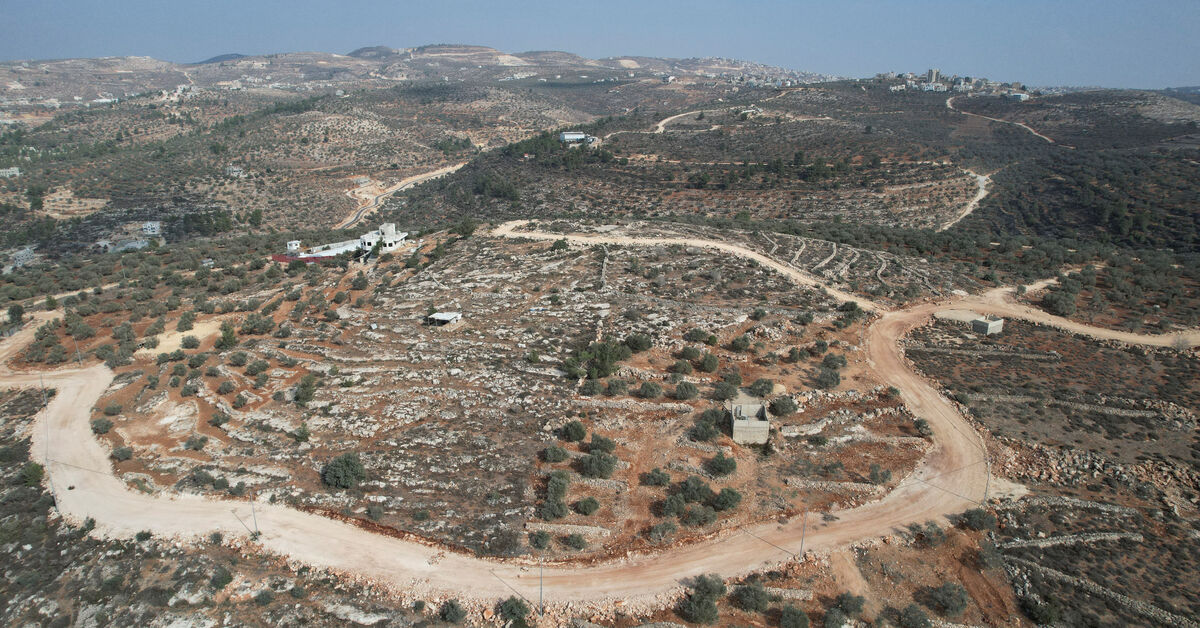
The escalating tensions in the occupied West Bank are increasingly focused on the expansion of Israeli settlements, often beginning with unauthorized outposts. These outposts, like Or Meir, are not isolated incidents but represent a deliberate strategy, according to some Israeli officials, to obstruct the possibility of a future Palestinian state. The situation is marked by rising violence, displacement of Palestinian communities, and a systematic effort to alter the demographic landscape of the region.
The Rise of Outposts and the Prevention of a Palestinian State
The small settlement of Or Meir, comprised of prefabricated structures on a hillside overlooking Road 60, exemplifies a growing trend. What begins as a handful of dwellings frequently evolves into larger, officially recognized Israeli housing developments. Members of the Israeli cabinet have openly acknowledged that this expansion is intended to prevent the establishment of a sovereign Palestinian state. This policy directly contradicts international law, which deems Israeli settlement activity in occupied territories illegal.
The process isn’t peaceful. Reports indicate a pattern of violence perpetrated by settlers against Palestinians, aimed at seizing land and resources. A Bedouin family, for example, recounted being driven from their land near Or Meir last year by attackers wielding Molotov cocktails, fearing they will never be able to return. This displacement is not an isolated case, but part of a wider pattern of intimidation and forced removal.
Documented Violence and the Role of Social Media
Social media platforms, particularly Telegram, reveal a disturbing level of organization and intent among some settlers. Channels associated with Or Meir openly celebrate the expulsion of Bedouin herders and express a determination to secure lasting control over what they consider “strategic” territory. This year has witnessed a significant surge in attacks by Israeli civilians against Palestinians in the West Bank, with over 750 injuries reported by the United Nations.
Furthermore, Peace Now, an Israeli NGO, documented a record 80 outposts built in 2023, the highest number since their records began in 1991. The Israeli cabinet recently approved 19 more settlements, including former outposts, with Finance Minister Bezalel Smotrich explicitly stating the goal is to block Palestinian statehood. This demonstrates a clear political agenda driving the expansion.
Formalizing Illegal Structures
For decades, settlers have established outposts on West Bank land without official Israeli authorization. While Israeli authorities sometimes demolish these structures, they often reappear, and many eventually gain formal recognition as settlements. Smotrich is actively pushing for the formalization of more outposts, effectively legitimizing land grabs. This process of settlement expansion is a key component of the ongoing conflict.
International Law and Israeli Perspectives
The international community overwhelmingly considers all Israeli settlement activity in the West Bank illegal under international law, specifically relating to military occupations. Israel disputes this view, claiming historical and religious ties to the land. Settlers themselves often justify their actions based on these claims, viewing the land as rightfully theirs.
The Or Meir settlers, in a post on their Telegram channel, boasted of driving away nine Bedouin outposts and reclaiming 6,000 dunams of land. While Reuters couldn’t independently verify all claims, the post highlights the settlers’ self-proclaimed success in altering the land ownership.
The Human Cost: Displacement and Fear
The impact of this expansion is devastating for Palestinian communities. The Musabah family, Bedouin shepherds, described a nighttime attack originating from the direction of Or Meir in June, resulting in the destruction of their home and barn. They now live in the nearby village of Deir Dibwan, uncertain if they will ever be able to return to their land. Israeli military officials confirmed the incident, stating that dozens of civilians set fire to property, but no arrests were made.
This incident is emblematic of the broader pattern of settler violence affecting Palestinian communities. Human Rights Watch researcher Milena Ansari emphasizes that the evidence points to a “systematic pattern of violence.” Yesh Din, an Israeli monitoring group, reports that only 2% of documented cases of settler violence since October 7, 2023, have resulted in indictments, highlighting a lack of accountability.
Strategic Expansion and Future Implications
The Or Meir group openly states its ambition to settle a “strategic ridge” near Ofra, aiming to create a continuous Jewish settlement presence. This strategy, echoed by other outposts, is designed to fragment the West Bank and limit Palestinian movement and access to land.
The expansion isn’t limited to Or Meir. Road 505, leading towards the Jordan Valley, is also lined with settlements, including Evyatar, which began as a tented outpost and has now secured government recognition. The mayor of Evyatar openly stated the settlement is vital to keeping the road open, referencing “hostile Arab villages” nearby. This rhetoric underscores the underlying tensions and the perceived need for security, often at the expense of Palestinian rights.
The situation in the West Bank remains volatile and deeply concerning. The continued expansion of settlements, coupled with rising violence and a lack of accountability, threatens to further destabilize the region and extinguish any remaining hope for a peaceful resolution. The future of the Palestinian state hangs in the balance, dependent on international pressure and a commitment to upholding international law. Further investigation and reporting on West Bank settlements are crucial to understanding the complexities of this ongoing conflict.