


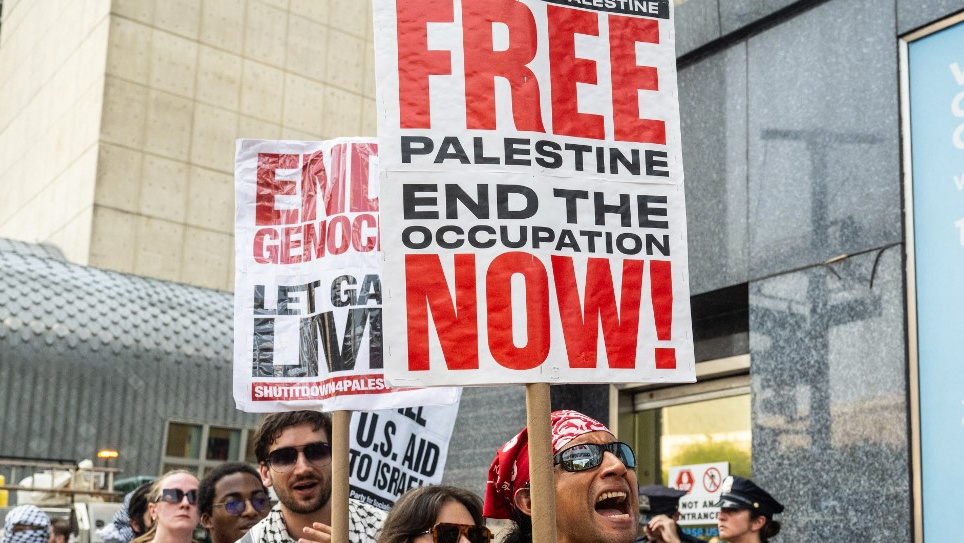
The past year has marked a turning point in the modern history of the Middle East, a period characterized by escalating conflicts and a reshaping of regional dynamics. The interconnected crises, ranging from the devastating situation in Gaza to direct military confrontations involving Iran, have underscored the fragility of the existing order and raised serious questions about the future of stability in the region. This article will delve into the key events of the last year, analyzing the factors that have contributed to the current volatile environment and exploring potential pathways towards a more peaceful future for the Middle East conflict.
A Year of Escalation and Shifting Alliances
The last twelve months witnessed a dramatic widening of military operations across the Middle East. The conflict in Gaza, initiated in October 2023, spiraled into a humanitarian catastrophe of unprecedented scale, leading to widespread displacement, loss of life, and the fragmentation of Palestinian political structures. Simultaneously, Israel broadened its targeting of Iranian and Hezbollah assets within Syria, and intensified operations in Lebanon, raising the specter of a larger, more devastating regional war. Even Yemen wasn’t spared, facing Israeli strikes intended to weaken Houthi capabilities, adding yet another layer to the already intricate web of conflicts.
The surprising attack on Qatar in September, a US ally and home to a significant American military presence, further destabilized the landscape. While Israeli officials justified the action as targeting Hamas leaders engaged in negotiations in Doha, the strike missed its target and drew condemnation internationally, significantly damaging Qatar’s sovereignty and trust with allies. This event showcased a willingness to disregard established diplomatic norms and risks straining crucial alliances in the region.
The “Greater Israel” Vision and Regional Repercussions
Underpinning these military actions is the increasingly prominent articulation of the “Greater Israel” concept by Israeli Prime Minister Benjamin Netanyahu and supported by ultranationalist factions. This expansionist vision, perceived as encompassing the West Bank, Gaza, Lebanon, Jordan, and potentially parts of Syria, Egypt, Iraq, and Saudi Arabia, fuels anxieties amongst neighboring countries and Palestinians alike, presenting a substantial obstacle to any lasting peace agreement. The implementation, or even the continued vocalization, of such a plan acts as a significant catalyst for regional instability.
Direct Confrontation: Strikes on Iran & the US Response
A particularly jarring development occurred in mid-2025 with coordinated strikes by the US and Israel against Iranian military and nuclear facilities. Presented by Washington as “intentionally limited” and a preventative measure, the operation provoked a substantial response from Iran. A barrage of ballistic missiles targeted Israeli cities, causing significant damage and forcing a reevaluation of Israel’s defensive capabilities.
The reaction from then-US President Donald Trump was particularly noteworthy. He openly praised the Iranian response, acknowledging its impact: “Israel was hit really hard, especially in the last couple of days. Those ballistic missiles, boy, they took out a lot of buildings.” This statement, unprecedented in its tone, signaled a further erosion of traditional US support for Israel and added considerable confusion to the geopolitical calculus.
The Gaza Governance Shift and its Implications
Adding further complexity, a UN-backed plan led to the removal of Palestinian administrative control over Gaza, placing the territory under a temporary international authority spearheaded by the US President. While proponents argued this move aimed to prevent a resurgence of militant groups, critics denounced it as a dangerous precedent, effectively endorsing external trusteeship over an occupied population. This decision risks fueling long-term resentment and hindering any prospects for genuine Palestinian self-determination and contributes to the larger geopolitical landscape which is in flux.
A Looming Future: More Conflict or a Path to Stability?
If current US policy trends continue into 2026, the Middle East is likely to experience even greater levels of war, instability, and economic hardship. The United States risks becoming increasingly entangled in a region from which multiple administrations have sought to disengage, diverting resources and attention from crucial domestic and global priorities like competition with China and strengthening its Western Hemisphere interests.
Recent events unfortunately echo the revelations made by US General Wesley Clark in 2007, regarding a 2001 Pentagon plan to systematically “take out seven countries in five years,” starting with Iraq and culminating in Iran. While the Trump administration characterized the 2025 strikes on Iran as a “historic success,” the long-term repercussions for US interests are likely to be profoundly negative. The US now stands alongside historical invaders like Genghis Khan and Saddam Hussein in the eyes of the Iranian population, a stain on its reputation that will likely shape Iranian nationalism for generations to come.
Charting a Course Towards Peace
The situation demands a fundamental shift in approach. As long as Tel Aviv persists in pursuing the “Greater Israel” vision, and as long as the direct military confrontation between the US-Israel alliance and Iran continues, true and lasting peace remains elusive. Restoring stability requires a multi-pronged strategy focused on de-escalation and rebuilding trust.
First, the US must move beyond rhetorical support for a two-state solution and actively implement UN resolutions pertaining to Palestinian statehood. Resolving the eight-decade long Israel-Palestine conflict is a prerequisite for any sustainable regional framework.
Second, the US and China, given their global influence, must act as mediators between Israel and Iran to prevent further military escalation. This requires tireless diplomacy and a commitment to finding common ground.
Third, the eight countries bordering the Gulf should collaborate to establish a robust regional security and cooperation system, diminishing dependence on external powers and fostering predictable, institutionalized dialogues.
Finally, a renewed and substantive dialogue between Washington and Tehran is essential. This could facilitate a durable nuclear agreement and address mutual concerns, laying the groundwork for a more cooperative relationship and mitigating decades of hostility.
The recent past has starkly illustrated the perils of unilateralism, militarized strategies, and ambitious ideological projects. Only through a concerted effort to enforce UN resolutions, build regional security mechanisms, and engage in comprehensive US-Iran discussions can the Middle East conflict be navigated towards a more peaceful and prosperous outcome. Failure to act decisively risks plunging the region into even deeper instability, with significant consequences for both the Middle East and the United States.
Disclaimer: The views expressed in this article are solely those of the author and do not necessarily reflect the editorial stance of Middle East Eye.