


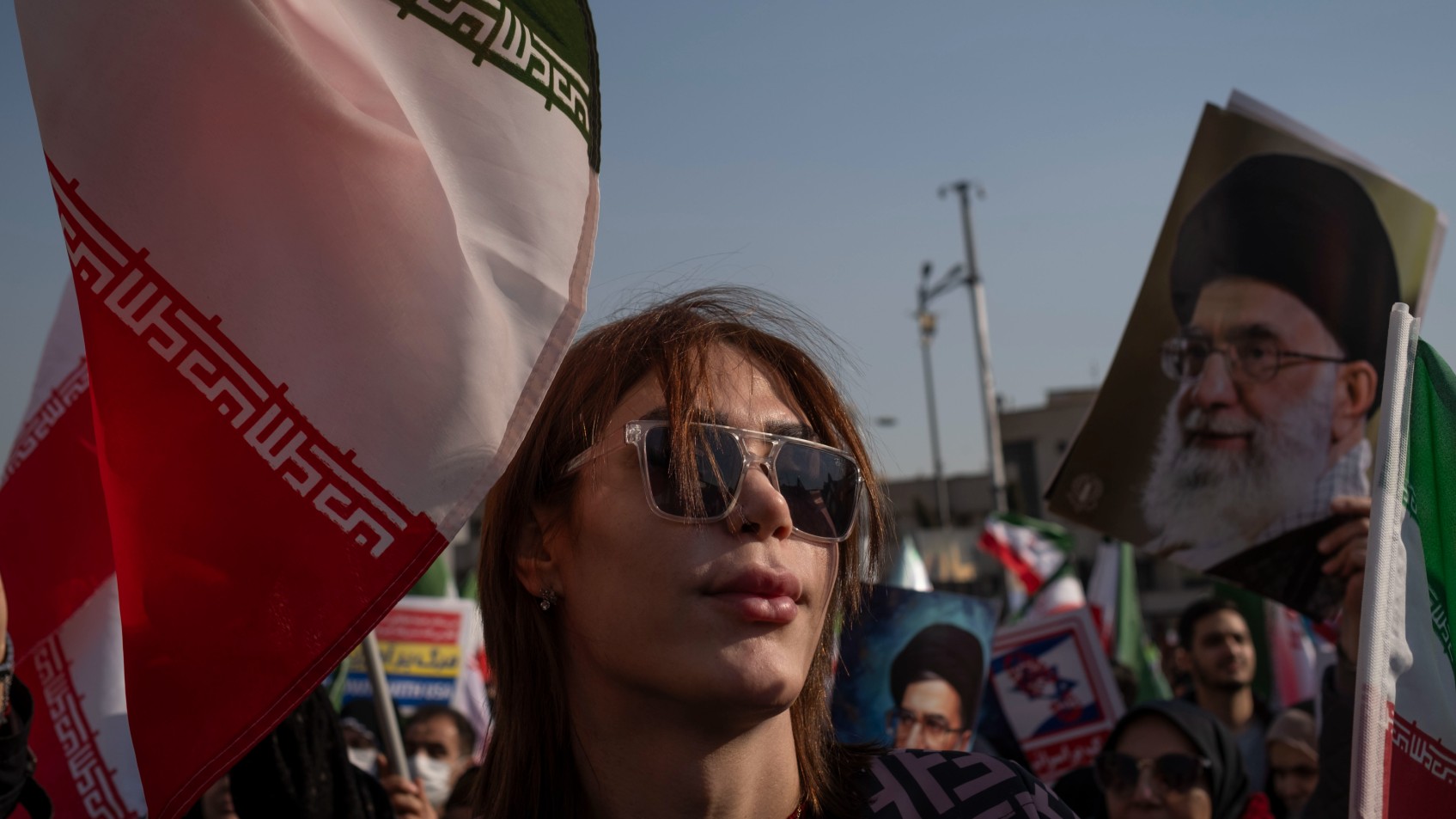
The recent wave of protests in Iran has sparked international concern, with reports indicating over 500 fatalities since late last year, according to data from the US-based Human Rights Activists News Agency (HRANA), a figure widely cited by global media. While the exact nature and scale of the unrest remain contested, it’s clear a significant period of internal upheaval is unfolding within the country, fueled by deep-seated economic grievances and political frustrations. However, understanding the complexities of this situation requires a critical examination of the sources and motivations at play.
The Human Cost of Unrest in Iran
HRANA’s reports detail a tragic toll, with the majority of those killed identified as protesters, alongside over 45 members of Iran’s security forces. These numbers, while alarming, are subject to scrutiny given the challenges of independent verification within Iran. It’s crucial to acknowledge the human suffering underlying these statistics, representing lost lives and shattered families. The economic hardship experienced by many Iranians is a significant driver of discontent, exacerbated by both internal issues and external pressures.
Media Narratives and External Influence on Iranian Protests
While HRANA provides a key data point, relying solely on it, or on Western media coverage, presents a skewed picture. Concerns have been raised about the potential for exaggeration and manipulation of information. Specifically, BBC Persian has come under fire for what some perceive as a UK state-sponsored effort to amplify the protests, while simultaneously overlooking the diverse opinions within Iranian society. Many Iranians disagree with government policies but reject alignment with external actors like Israel and figures like Reza Pahlavi. This highlights a critical point: the Iranian protests are not monolithic.
This situation exemplifies a pattern of UK “soft power” serving Israeli interests. The intense focus on Iranian unrest by BBC Persian appears strategically linked to a deliberate downplaying of the ongoing situation in Palestine, including what many describe as genocide.
Khamenei’s Response and the Dual Nature of the Movement
Ayatollah Ali Khamenei, Iran’s Supreme Leader, has publicly acknowledged the protests, drawing a crucial distinction between legitimate economic grievances and attempts to exploit the movement for regime change. He correctly identifies the latter as aligning with the interests of external adversaries, particularly Israel. This observation underscores the complex reality: the protests in Iran are simultaneously genuine expressions of popular discontent and heavily manipulated by external forces.
Economic Crisis: A Catalyst for Discontent
The roots of the current unrest lie in Iran’s prolonged economic crisis. This crisis is a product of two interconnected factors: internal corruption and mismanagement, coupled with the crippling impact of US and international sanctions. Recent reports, such as a Financial Times headline describing the Iranian currency “turning to ash,” paint a grim picture of the economic realities facing ordinary Iranians. The impoverished middle class and struggling working class are bearing the brunt of this hardship.
A Manufactured Distraction? Israel and US Involvement
However, the current crisis is also viewed by many as a largely manufactured distraction, orchestrated by Israel and the US. This tactic mirrors previous attempts to destabilize dysfunctional states – Lebanon, Syria, Yemen, and Venezuela – to bolster the power of these external actors and divert attention from issues like the ongoing situation in Gaza.
Israel’s focus on Iran is driven by multiple objectives. Primarily, it serves as a diversionary tactic, aiming to shift global attention away from the Israeli actions in Palestine and the systematic appropriation of occupied territories. Furthermore, there’s a long-term goal of disintegrating Iran into smaller ethnic states, mirroring Israel’s designs for other regional countries.
The Nuclear Program and Sanctions: A Convenient Pretext
The issue of Iran’s nuclear program is often presented as the primary justification for sanctions and international pressure. However, the 2015 nuclear agreement, negotiated under the Obama administration, demonstrated a path towards peaceful resolution. Israel consistently opposed this agreement, lobbying against it through groups like AIPAC, and ultimately influencing President Trump to dismantle it. Therefore, Israel bears significant responsibility for the current impasse.
The US, meanwhile, continues to wield crippling sanctions as a weapon against both the Iranian ruling elite and its population. These sanctions are justified by concerns about the nuclear program and pressure on Tehran to adopt a more pro-Israel stance. The hypocrisy of this approach is stark, given Israel’s own nuclear arsenal and its ongoing conflict with its neighbors, particularly the Palestinians.
Comparing Current Unrest to the 2022 Uprising
Compared to the 2022 “Women, Life, Freedom” uprising, the current protests in Iran haven’t reached the same level of scale, significance, or authenticity. The 2022 movement, led by women, was a truly seminal event, sparking global conversations and representing a powerful expression of Iranian agency.
The current protests, in contrast, are characterized by increased violence and a lack of clear female leadership. There are credible reports of Mossad involvement, including the deliberate targeting of mosques to incite outrage and fuel Islamophobic narratives. The spread of fake news, actively manufactured by Israeli hasbara, further contaminates the narrative, with efforts to bolster support for figures like Reza Pahlavi.
State Survival and Potential Escalation
The Iranian state is now operating in survival mode. However, navigating crises is a familiar pattern for the Islamic Republic. In the wake of recent attacks on its nuclear facilities, the state is likely to respond with a harsh crackdown on protests and may consider retaliatory actions against US regional bases and Israel itself. An exchange of missiles could dramatically escalate the situation.
The absence of legitimate and reasonable voices, detained or forced into exile, has created a vacuum filled by opportunistic pro-Pahlavi monarchists and the Mojahedin-e-Khalq, groups with limited popular support within Iran. Western media’s attempts to manufacture a popular base for Pahlavi only exacerbate the situation.
Ultimately, this movement is not a genuine revolution, but a disinformation coup orchestrated by the US and Israel, echoing the 1953 coup against a democratically elected prime minister. The US provides the military might, while the UK, through outlets like BBC Persian, disseminates the propaganda. While the initial spark of the protests in Iran was rooted in legitimate grievances, Israel is attempting to hijack it, mirroring its historical pattern of exploiting and manipulating regional conflicts.