


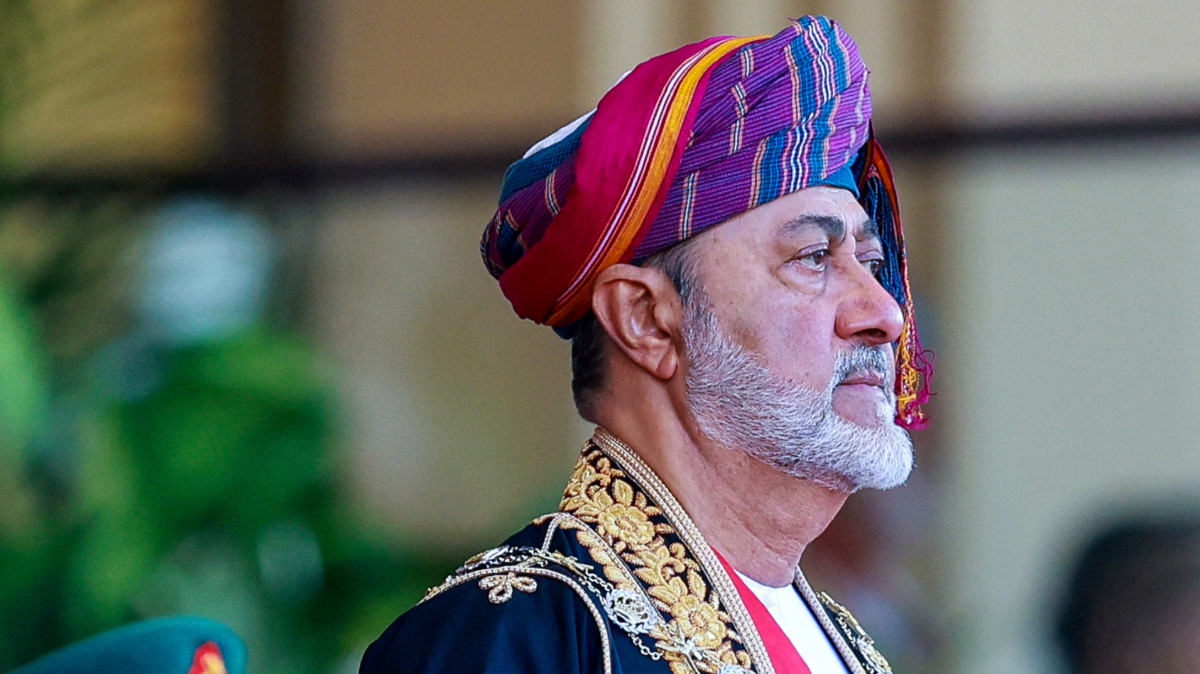
For years, Oman maintained a delicate balance, striving for neutrality as conflict engulfed neighboring Yemen. However, recent events have revealed a shift in Muscat’s stance, as it quietly aligned with Saudi Arabia against the UAE-backed Southern Transitional Council (STC). This article delves into the reasons behind Oman’s decision, the historical context shaping its actions, and the potential implications for regional stability, focusing on the evolving dynamics of Yemen crisis and its impact on Oman’s foreign policy.
Oman Breaks with Neutrality in Yemen: A Strategic Shift
Oman’s long-held policy of neutrality in regional conflicts has been a cornerstone of its foreign policy. Yet, when the STC, supported by the United Arab Emirates, advanced into Yemen’s al-Mahra region bordering Oman, Muscat took a decisive step, sharing intelligence with Saudi Arabia and participating in military strikes against the separatist group in late December and early January. This collaboration, confirmed by Western and Arab diplomats, marks a significant departure from Oman’s traditional role as a mediator. The move underscores the growing tensions between Saudi Arabia and the UAE, and how those tensions are reshaping alliances in the Gulf.
Historical Roots: The Dhofar War and Border Security
Understanding Oman’s shift requires looking back at its history. The memory of the Dhofar Rebellion (1962-1975) looms large in Omani security perceptions. During this period, Oman fought a brutal counter-insurgency against Marxist rebels supported by South Yemen (now part of unified Yemen). The rebels received arms and training, posing a direct threat to the Sultanate’s stability. This experience instilled a deep-seated concern about instability on its border and the potential for external actors to exploit Yemen’s internal conflicts. This historical context is crucial to understanding Oman’s current anxieties regarding the regional security landscape.
The UAE’s Overreach and Saudi-Omani Convergence
Analysts suggest the UAE’s actions in Yemen, particularly the STC’s ambition to announce secession – mirroring Somaliland across the Red Sea – were the catalyst for Oman’s intervention. Muscat and Riyadh shared concerns that a successful secessionist movement in southern Yemen would embolden similar movements elsewhere in the region, potentially destabilizing Oman’s own border areas. “Oman acted in the shadows,” explains Ibrahim Jalal, a Gulf security expert, emphasizing the discreet nature of Muscat’s support for Saudi Arabia. The escalation effectively pushed Saudi Arabia and Oman closer together, a consequence of what analysts describe as the UAE’s overreach.
Red Lines and National Security Concerns
Yousuf al-Balushi, chairman of the Muscat Policy Council, highlights Oman’s “three red lines” in Yemen: preventing the UAE’s expansion of influence near its border, blocking the arrival of separatists, and stopping the establishment of Salafist groups in the border region. The STC’s advance into al-Mahra was viewed as a direct threat to these red lines, prompting Oman to act. The potential for a change in Oman’s border due to a successful secession was a particularly alarming prospect. This underscores the importance of border disputes in shaping Oman’s foreign policy.
The Fallout: STC’s Retreat and Shifting Regional Dynamics
Saudi Arabia’s military response effectively countered the STC’s advance, decimating its forces in the open desert terrain. STC leader Aidarous al-Zubaidi fled to the UAE, and control of Aden passed to forces loyal to Yemen’s Presidential Leadership Council (PLC), backed by Saudi Arabia. This outcome has solidified Saudi Arabia’s position in southern Yemen and highlighted the risks of the UAE’s independent actions. The situation has energized Saudi Crown Prince Mohammed bin Salman to push back against the UAE’s regional ambitions, as evidenced by recent events in Sudan.
Oman’s Balancing Act and Future Role
Despite its alignment with Saudi Arabia in this instance, Oman remains committed to its role as a mediator. It has historically maintained good relations with all parties involved in the Yemen conflict, including the Houthis, and has facilitated prisoner swaps and ceasefire negotiations. Oman’s strength lies in its ability to engage with all sides, a skill honed through decades of quiet diplomacy.
However, the escalating rivalry between Saudi Arabia and the UAE presents a challenge to Oman’s mediating role. If this rivalry intensifies and expands beyond Yemen, it could destabilize the entire Gulf region. Oman’s economic ties with both countries – particularly its closer economic links with the UAE – further complicate its position.
A New Opportunity for Mediation?
Despite the challenges, some analysts believe there is a renewed opportunity for Omani mediation in Yemen. With the STC weakened and Saudi Arabia regaining prestige, the conditions may be ripe for a more comprehensive peace agreement. Oman’s foreign minister has already taken credit for mediating a “ceasefire” between the US and Houthis in the Red Sea. The key to success, however, lies in addressing the broader regional dynamics and securing the cooperation of the US and Israel, particularly regarding sanctions relief for the Houthis and a cessation of hostilities. Ultimately, Oman’s future role in the Yemen conflict will depend on its ability to navigate these complex challenges and maintain its delicate balancing act.