


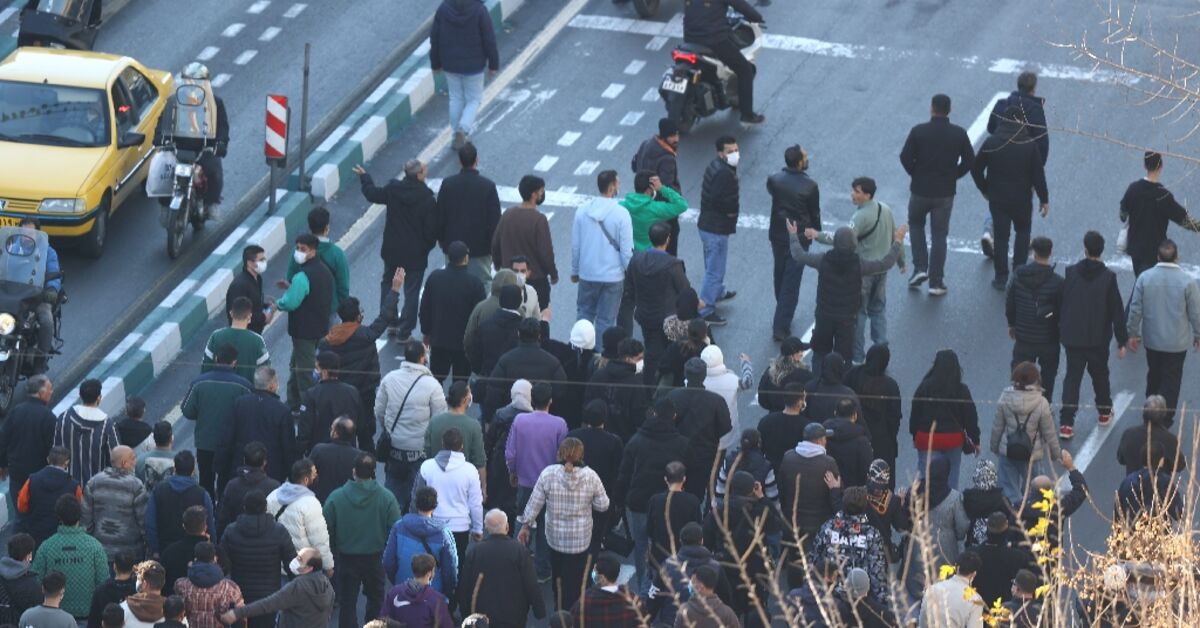
The recent wave of احتجاجات إيران (Iranian protests) has entered its seventh day, marked by escalating tensions and a growing number of casualties. Reports indicate a member of the Basij paramilitary force was killed during demonstrations in western Iran, signaling a dangerous turn in the unrest. What began as discontent over economic hardship is rapidly evolving into a broader challenge to the established order, raising concerns both domestically and internationally. This article will delve into the details of the ongoing situation, examining the causes, the spread of the protests, and the government’s response.
أسباب الاحتجاجات في إيران (Causes of the Protests in Iran)
The initial spark for the احتجاجات إيران was economic frustration. Rising prices and a stagnant economy have placed immense pressure on Iranian citizens, particularly those in lower and middle-income brackets. Shopkeepers in Tehran initiated strikes on Sunday, protesting the deteriorating economic conditions. This quickly resonated with university students and other segments of the population, who saw the protests as an opportunity to voice broader grievances.
However, the protests quickly transcended purely economic concerns. Political demands have become increasingly prominent, with demonstrators calling for fundamental changes to the political system. This shift reflects a deep-seated dissatisfaction with the current state of affairs and a desire for greater freedoms and accountability. The economic hardship is seen by many as a direct result of government policies and mismanagement.
تصاعد العنف وانتشار الاحتجاجات (Escalation of Violence and Spread of Protests)
The situation has become increasingly volatile, with clashes between protesters and security forces reported in over two dozen cities. Official figures indicate at least eight people have been killed so far, including members of the security services. The death of Ali Azizi, a member of the Basij, in Harsin, reportedly due to stabbing and shooting, highlights the escalating violence.
Meanwhile, reports from Qom suggest another fatality occurred when a man attempting to use a grenade was accidentally killed. The protests are largely concentrated in mid-sized cities in western and southwestern Iran, where clashes and acts of vandalism have been reported. AFP estimates that at least 25 cities have witnessed protest gatherings of varying sizes, though the true extent of the unrest may be underreported by state media.
أحداث في طهران ومدن أخرى (Events in Tehran and Other Cities)
While the capital, Tehran, appeared relatively quiet on Saturday, a public holiday, reports emerged of gatherings in working-class neighborhoods on Friday. In Darehshahr, western Iran, around 300 protesters reportedly blocked streets, used Molotov cocktails, and even brandished Kalashnikov rifles. These incidents demonstrate the growing desperation and anger fueling the احتجاجات إيران.
The protests have also taken on a symbolic dimension. In Karaj, near Tehran, demonstrators reportedly burned the Iranian flag while chanting slogans such as “Death to the dictator!” and “This isn’t the last battle, Pahlavi is coming back!”. The latter slogan references the Pahlavi dynasty, which ruled Iran before the 1979 Islamic Revolution, indicating a desire for a return to a pre-revolutionary era.
رد فعل الحكومة (Government Response)
The Iranian government has adopted a dual approach in response to the احتجاجات. Officials have expressed understanding towards the economic grievances of the protesters, signaling a willingness to address these concerns. However, they have simultaneously issued stern warnings against destabilization and chaos, emphasizing that such actions will not be tolerated.
This conciliatory yet firm stance reflects the government’s attempt to manage the crisis without resorting to excessive force, while also maintaining control. The current situation is markedly different from the large-scale protests that erupted in 2022 following the death of Mahsa Amini, and those in late 2019 over fuel price hikes. While these earlier protests were also widespread, the current unrest appears to be driven by a more complex mix of economic and political factors. The government is likely carefully studying the lessons learned from those previous episodes of unrest.
مستقبل الاحتجاجات (The Future of the Protests)
The future of the احتجاجات إيران remains uncertain. While the demonstrations are currently smaller in scale than those seen in 2022 and 2019, the underlying grievances remain deeply rooted. The government’s ability to address the economic concerns and respond to the political demands of the protesters will be crucial in determining the trajectory of the unrest.
Continued suppression of dissent could further fuel the protests and potentially lead to a more widespread and violent confrontation. Conversely, a genuine effort to address the root causes of the discontent could help de-escalate the situation and pave the way for a more stable future. The international community is closely monitoring the situation, and the outcome of these protests could have significant implications for regional stability and Iran’s relationship with the rest of the world.
It is important to stay informed about the evolving situation and to critically evaluate information from various sources. Further developments will undoubtedly shape the future of Iran and its people.