


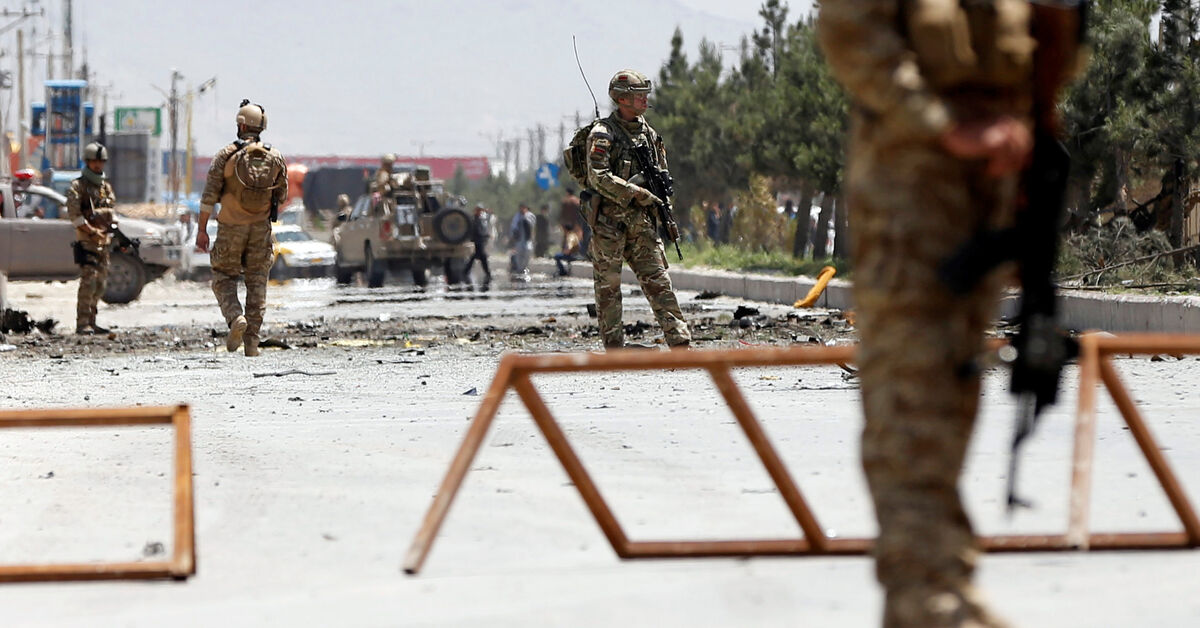
The revelations emerging from a British public inquiry are casting a dark shadow over the conduct of UK special forces during the Afghanistan war. Testimony from a former senior officer points to potential war crimes committed by the elite Special Air Service (SAS), specifically allegations of executing Afghan suspects despite widespread awareness within the command structure. This inquiry, prompted by a BBC documentary highlighting suspicious deaths, is now meticulously examining events that occurred between mid-2010 and mid-2013, a period when British forces were integrated into the U.S.-led coalition battling the Taliban and other militant groups. The unfolding details are raising serious questions about accountability and the ethical boundaries of warfare.
The Inquiry into Alleged War Crimes in Afghanistan
The current investigation, led by senior judge Charles Haddon-Cave, isn’t simply revisiting past events; it’s attempting to determine the extent of potential wrongdoing. Its core objectives are threefold: to establish whether credible information regarding extrajudicial killings existed, to assess the thoroughness of previous military police investigations, and to uncover any attempts to cover up unlawful killings. The Ministry of Defence (MoD) initiated the inquiry following the broadcast of the BBC documentary, which alleged that SAS soldiers were responsible for the deaths of 54 people under questionable circumstances.
Previous Investigations and Lack of Prosecution
Prior to this public inquiry, British military police conducted several investigations into allegations of misconduct by forces in Afghanistan, including those leveled against the SAS. However, the MoD has consistently stated that these investigations failed to yield sufficient evidence to pursue prosecutions. This lack of legal consequence is a key driver behind the current, more comprehensive inquiry. The aim is to provide a definitive account of what transpired and to address the lingering concerns surrounding these incidents.
Shocking Testimony from a Former Senior Officer
The most damning evidence presented thus far comes from an officer identified as N1466, who served as the Assistant Chief of Staff for Operations in the UK Special Forces Headquarters in 2011. In private testimony released on Monday, N1466 detailed his growing suspicions regarding the number of detainees killed during operations conducted by a sub-unit known as UKSF1.
Discrepancies in Reporting and Suspicions of Execution
N1466’s concerns stemmed from a clear discrepancy between the number of enemies killed in action (EKIA) and the number of weapons recovered following raids. He found reports of detainees repeatedly attempting to retrieve weapons or grenades after being captured to be implausible. He explicitly stated his belief that these killings were not legitimate combat engagements. “I will be clear we are talking about war crimes… we are talking about taking detainees back on target and executing them with a pretence, the pretence being that they conducted violence against the forces,” he told the inquiry’s lead lawyer, Oliver Glasgow.
He revealed that he raised these concerns with the Director of Special Forces (referred to as 1802), but the response was not to initiate criminal proceedings. Instead, a review of operational tactics was ordered. N1466 later expressed regret for not reporting his suspicions directly to military police at the time, although he did eventually share his concerns in 2015. His witness statement underscored the gravity of his fears: “I was deeply troubled by what I strongly suspected was the unlawful killing of innocent people, including children.” He believed the issue of extrajudicial killings extended beyond a single sub-unit and was potentially widespread within the UK Special Forces.
Internal Dynamics and Frustrations within the Forces
Further evidence presented to the inquiry highlights internal tensions and frustrations within the British forces operating in Afghanistan. Other former officers and a defence ministry official testified about the difficulties faced when captured individuals, often apprehended during intelligence-led operations, were released days later due to the Afghan judicial system’s inability to cope with the caseload. This created a sense of futility and potentially contributed to a disregard for due process.
Additionally, the inquiry revealed a competitive rivalry between two special forces units, UKSFI and UKSF3, to which N1466 belonged. N1466 vehemently denied any personal vendetta against the UKSF, stating, “we didn’t join the UKSF for this sort of behaviour, you know, toddlers to get shot in their beds or random killing. It’s not special, it’s not elite, it’s not what we stand for and most of us I don’t believe would either wish to condone it or to cover it up.” He emphasized that such actions were antithetical to the values and principles of the UK Special Forces. The investigation into alleged misconduct continues to uncover layers of complexity and troubling details.
The Path Forward and the Importance of Accountability
The ongoing inquiry represents a crucial step towards establishing the truth and ensuring accountability for potential war crimes committed during the Afghanistan conflict. Judge Haddon-Cave’s commitment to referring anyone who broke the law to the relevant authorities, while simultaneously clearing the names of those who acted lawfully, underscores the importance of a fair and impartial investigation. The revelations are not only impacting the reputation of the British military but also raising fundamental questions about the ethics of modern warfare and the responsibility of soldiers operating in complex and challenging environments. The findings of this inquiry will undoubtedly have lasting implications for military policy and the pursuit of justice for victims of alleged wrongdoing. Further updates on this critical investigation will be closely followed as the inquiry progresses and more evidence is presented.