


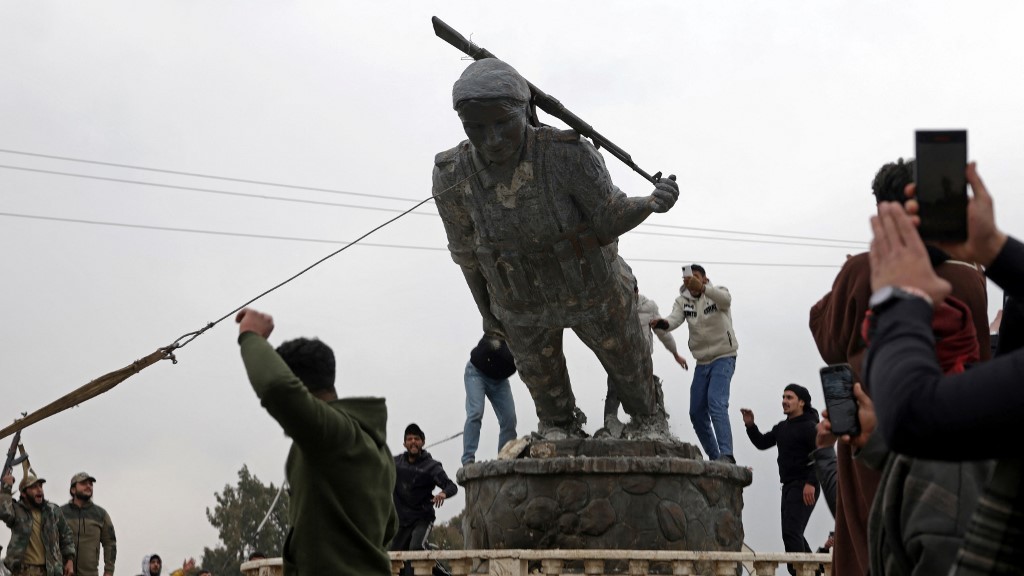
The recent agreement between the Syrian government and the Syrian Democratic Forces (SDF) marks a significant turning point in the ongoing conflict, culminating in a ceasefire after weeks of escalating clashes. This deal, while not entirely new, differs crucially in its timing and the resulting power dynamics, sharply weakening the SDF’s position and potentially reshaping the political landscape of northeastern Syria. The agreement signifies a major shift in control, with Damascus regaining territory and strategic assets previously held by the Kurdish-led forces.
اتفاق وقف إطلاق النار بين الحكومة السورية وقوات سوريا الديمقراطية: تحليل شامل (Ceasefire Agreement Between the Syrian Government and the SDF: A Comprehensive Analysis)
The fragile peace established on Sunday represents more than just a pause in hostilities. It’s a calculated move by the Syrian government, leveraging recent battlefield successes to force a renegotiation of the relationship with the SDF. For years, the SDF, backed by the United States, controlled a substantial portion of northern and eastern Syria, primarily focused on combating the Islamic State (ISIS). However, this control was increasingly viewed as a challenge to Syrian sovereignty by Damascus, especially as the central government regained strength in other parts of the country. The recent advances by Syrian government forces, including the capture of the country’s largest oil field, fundamentally altered the negotiating landscape.
SDF تتراجع: سياق التطورات الأخيرة (SDF Retreats: Context of Recent Developments)
The shift in momentum began to build in early January 2026, when the SDF rejected a proposal for integration into the Syrian army and shared control of border crossings. This rejection, coupled with growing discontent among Arab communities within SDF-held territories, created an opening for the Syrian government. Arab tribes, feeling marginalized and lacking economic opportunities under SDF rule, actively supported the government’s offensive. This support was not spontaneous; Damascus had been actively engaging with these tribes for months, laying the groundwork for a potential shift in allegiance.
The timing of the agreement is also linked to concerns raised by Turkey, which views the SDF as an extension of the Kurdistan Workers’ Party (PKK), a designated terrorist organization. In December, Turkish Foreign Minister Hakan Fidan warned that the SDF was coordinating with Israel to hinder Syria’s stabilization, adding another layer of complexity to the situation. This external pressure further incentivized Damascus to assert its authority.
بنود الاتفاق: تسليم الأراضي والحدود والمسلحين (Terms of the Agreement: Handover of Land, Borders, and Fighters)
The 14-point accord, released by the Syrian information ministry, outlines a comprehensive handover of power. Key provisions include:
- Full Administrative and Military Handover: The SDF has agreed to a complete handover of control in Raqqa and Deir Ezzor, effectively confining its presence to the northeastern Hasakah province.
- Border Control: Damascus will assume full control of all border crossings, a critical step in reasserting its sovereignty and controlling the flow of resources.
- Oil and Gas Fields: Control of oil and gas fields will also revert to the Syrian government, significantly bolstering its economic position. Point four of the agreement explicitly states this, while acknowledging a “special case” for Kurdish areas – a vague clause that remains to be defined.
- SDF Integration: SDF fighters will be integrated into the Syrian army as individuals, subject to security vetting. This dismantles the SDF as a distinct military force and brings its personnel under the direct command of the Syrian government.
- Foreign Fighters: A central clause requires the departure of any foreign SDF elements linked to the PKK, addressing a key Turkish demand.
تحول في ميزان القوى: مكاسب دمشق وتحديات الأكراد (Shift in the Balance of Power: Damascus Gains and Kurdish Challenges)
Analysts agree that the agreement represents a significant victory for Damascus. “Damascus has the upper hand now and wants to transform the military success into a political gain. The agreement is meant to achieve that,” explains Syria analyst Fadil Hanci. The deal is described as “more precise” than previous attempts at reconciliation, leaving less room for the SDF to interpret the framework to its advantage.
The personal implications are also noteworthy. While rumors suggested SDF leader Mazlum Abdi might aspire to a national-level position, he is now slated to become the governor of Hasakah, a role subordinate to the Syrian foreign minister. This represents a considerable scaling back of his ambitions.
The agreement also addresses the international concern surrounding ISIS detainees held by the SDF. Damascus has assumed “full legal and security responsibility” for these detainees, promising continued operations against remaining ISIS elements. This move aims to alleviate pressure from international actors worried about the potential for a resurgence of the terrorist group.
مستقبل سوريا: الآثار الإقليمية والدولية (The Future of Syria: Regional and International Implications)
The ceasefire and subsequent agreement have far-reaching implications. For Turkey, it represents a rollback of a perceived security threat. Gokhan Cinkara, director of the Center for Global and Regional Studies, calls it “a significant step towards Syria’s territorial integrity.” The outcome aligns with Turkey’s long-held desire to see the SDF dismantled and its influence diminished.
The agreement also highlights the fragility of the SDF’s position, reliant as it was on both US support and a degree of local acceptance. The erosion of Arab support proved to be a critical vulnerability. The deal, in essence, forces the SDF to accept a more limited role within a unified Syrian state, abandoning its aspirations for greater autonomy.
Ultimately, this agreement signals a renewed assertion of Syrian sovereignty and a potential shift towards greater stability, albeit on terms dictated by Damascus. The coming months will be crucial in observing the implementation of the accord and its long-term impact on the political and security landscape of Syria and the wider region. The future of the Kurdish population within Syria, and the extent to which their “special case” is genuinely considered, remains a key question.