


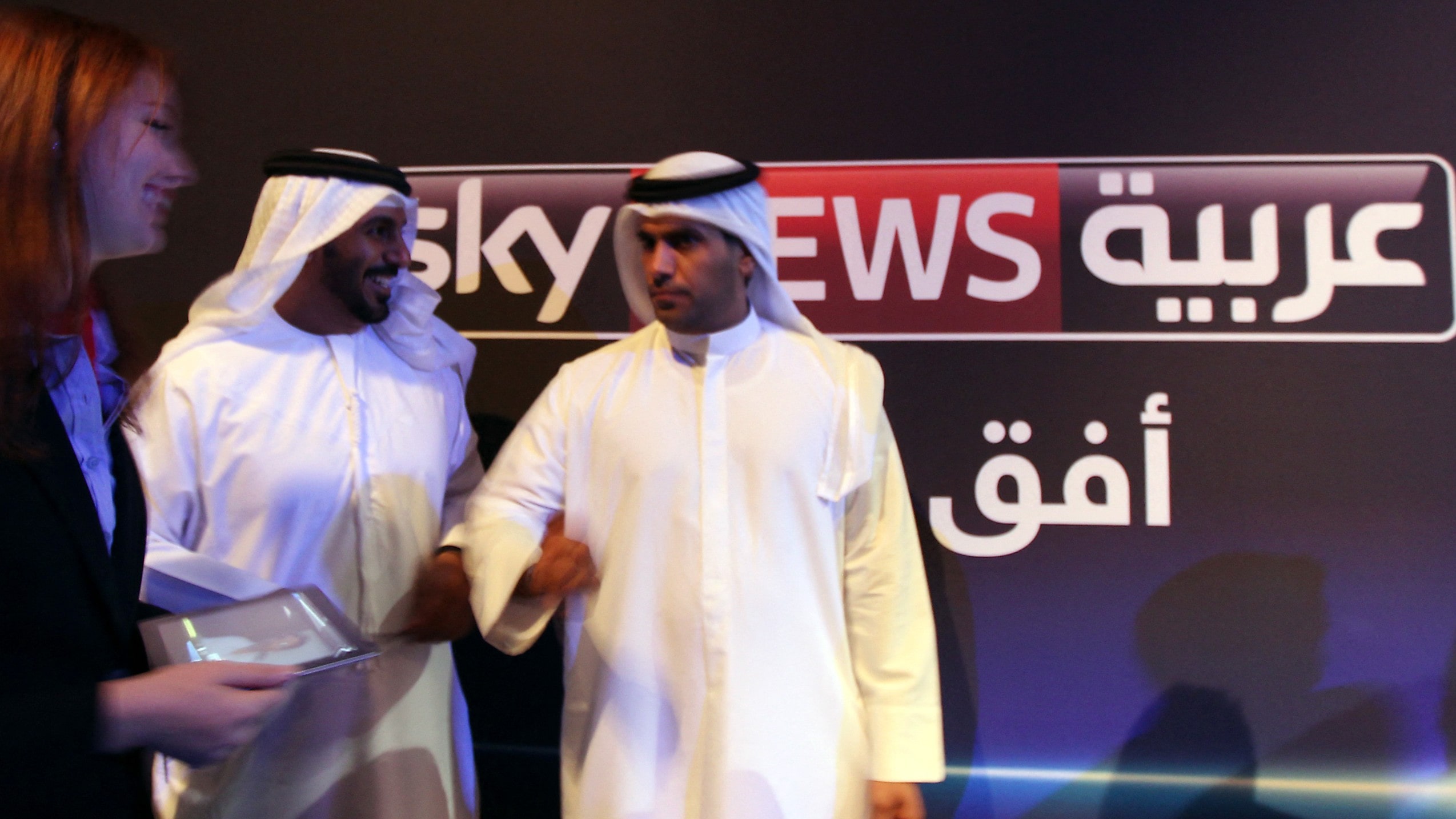
The recent coverage by Sky News Arabia has ignited a fierce debate, with numerous social media users accusing the channel of biased reporting and actively promoting groups implicated in the ongoing conflicts in Yemen and Sudan. The accusations center around what critics describe as a “blatant promotion” and “legitimisation” of paramilitary forces, raising serious questions about journalistic integrity and the channel’s editorial independence. This controversy highlights the complex interplay between media, politics, and conflict in the Arab world.
Sky News Arabia Under Fire: Accusations of Bias and Propaganda
The controversy stems from Sky News Arabia’s coverage of the Rapid Support Forces (RSF) in Sudan and the Southern Transitional Council (STC) in Yemen. Both groups are backed by the United Arab Emirates (UAE), which holds a 50% stake in Sky News Arabia through International Media Investments (IMI). Both the RSF and STC have faced credible allegations of human rights abuses, prompting concerns that the channel is deliberately downplaying or ignoring these issues.
The RSF, in particular, has been implicated in widespread atrocities since the outbreak of war in Sudan in 2023, with documented evidence – including footage from its own fighters and corroborated by satellite imagery – detailing mass killings and other abuses. Similarly, the STC, which controls significant territory in southern Yemen, has also been accused of human rights violations as it pursues a path towards potential independence.
Calls for Investigation and Concerns Over Journalistic Standards
The criticism reached a boiling point on social media platform X (formerly Twitter), where prominent figures publicly called for an investigation into the channel’s editorial practices. Saudi Arabian political researcher Salman al-Ansari directly addressed David Rhodes, executive chairman of Sky News Group, urging him to look into what he described as the channel acting as a “propagandist.”
Al-Ansari specifically accused Sky News Arabia of “obscuring, minimizing, or ignoring well-documented crimes,” including massacres, looting, and sexual violence, committed by the UAE-backed groups. He further argued that this coverage actively supports and legitimizes these forces, standing in stark contrast to the journalistic integrity traditionally associated with the Sky News brand.
Other voices echoed these concerns. Yemeni journalist Yaser al-Hasani warned that the channel’s alleged “media manipulation” could damage the reputation of the wider Sky News network. He emphasized the crucial responsibility of media outlets to convey the truth and document human rights violations, rather than justifying crimes and distorting facts. Journalist Taha Saleh, a former employee of Sky News Arabia, stated the channel consistently failed to meet international journalistic standards, and that coverage had worsened since his departure, becoming a platform for “rumours and false news.”
Specific Incident in El-Fasher Fuels Criticism
A recent incident involving a Sky News Arabia reporter in Sudan’s el-Fasher city further intensified the backlash. The reporter, Tsabih Mubarak, met with an RSF officer accused of inciting sexual violence against Sudanese women. Images and videos shared on social media showed Mubarak smiling and taking selfies with the officer, identified as Shiraz Khalid, who was recorded making disturbing statements about targeting women in areas under army control.
This encounter drew sharp criticism from Sudanese figures and social media users, with Ammar Mahmoud, Sudan’s representative to the United Nations, stating that Sky News Arabia “runs cover for the RSF militia as it slaughters Sudanese civilians” and calling on the International Criminal Court (ICC) to take note. This incident became a focal point for accusations of biased reporting and a clear demonstration of the channel’s alleged pro-RSF stance.
Counterarguments and the Debate Over Media Impartiality
While the majority of the criticism focused on alleged bias, some voices questioned the backlash. Yusuf Gabobe, owner of a Somaliland newspaper, argued that some of the criticism was hypocritical, pointing out that those criticizing Sky News Arabia often overlook the bias and propaganda present in outlets they favor. He characterized the outrage as “selective” and driven by “political obedience” rather than genuine concern for media ethics. This highlights the broader challenge of achieving true media impartiality in a politically charged environment.
The Future of Sky News Arabia and the Importance of Accountability
The accusations against Sky News Arabia raise fundamental questions about the role of media in conflict zones and the responsibility of news organizations to uphold journalistic standards. The controversy surrounding UAE-funded media and its coverage of sensitive regional issues demands a thorough investigation and a commitment to transparency. The channel’s response to these allegations, and its willingness to address concerns about its editorial independence, will be crucial in determining its future credibility and its ability to maintain the trust of its audience. Ultimately, the debate underscores the vital importance of independent journalism and the need for accountability in media coverage of conflict and human rights abuses.