


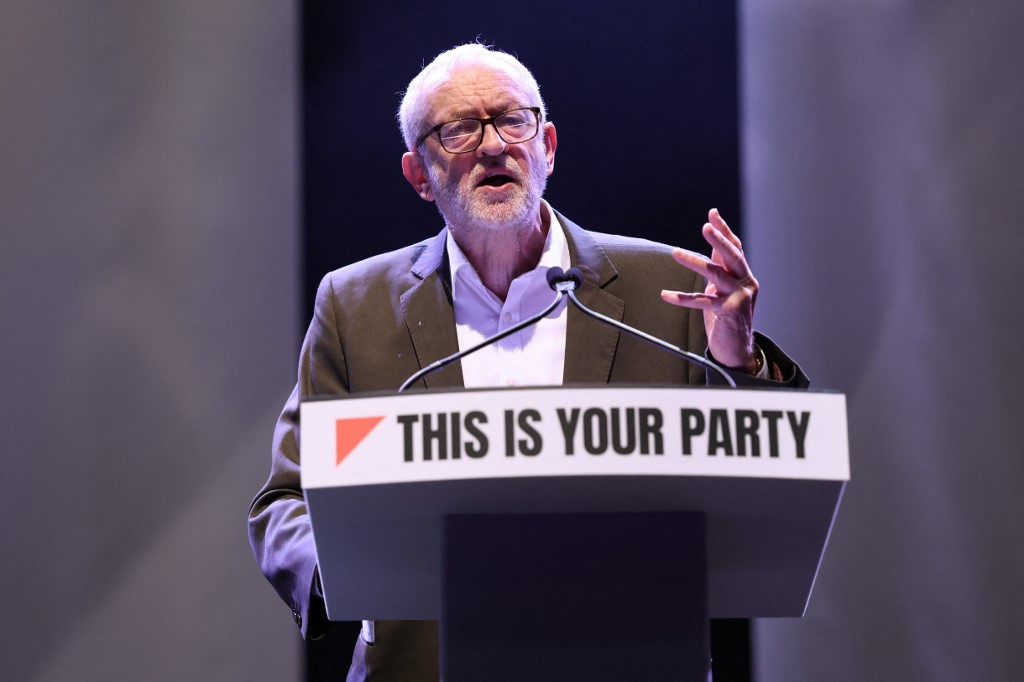
The British political landscape is undergoing a dramatic shift, a period some observers are calling a moment of historical realignment. For years, the dominance of the Conservative and Labour parties felt immutable. However, both are now seeing their support erode, creating space for insurgent forces on both the right and the left. This surge of new political energy is particularly evident with the rise of Reform UK and, increasingly, the Green Party, and now the emergence of a new left-wing party, signaling a potential fracturing of the traditional two-party system.
The Unexpected Rise of the Left
The recent political climate in Britain, punctuated by dissatisfaction with the status quo, has opened the door for alternative ideologies. The saying goes that you wait ages for a left-wing party to arrive, and then two appear at once – a sentiment echoed by Zarah Sultana, framing the current moment as one of rapid, transformative change akin to Lenin’s observation of decades of stagnation followed by weeks of upheaval. While Reform UK attracts voters disillusioned with the Conservatives, a growing number are turning to the Green Party, and now to this new socialist venture.
The Green Party’s ascension has been particularly notable. Once relegated to the margins, they’ve steadily built a base, and the election of Zack Polanski as their leader has injected a new level of dynamism. Polanski’s success, mirroring the Zoran Mamdani wave in New York, demonstrates the power of a compelling, outsider figure to reshape the political conversation. He has even managed to nudge Labour towards more progressive economic policies, forcing a reassessment of their fiscal approach.
Internal Divisions and Ideological Crossroads
The new left-wing party, informally led by Jeremy Corbyn, launched amidst internal tensions, most notably a clash between Corbyn’s established political brand and the burgeoning influence of Zarah Sultana. This tension highlights a fundamental ideological divide within the British left.
Corbyn vs. Sultana: Two Visions
Corbyn embodies a tradition of radical social democracy and internationalism, seeking change within a broadly established framework. Sultana, on the other hand, represents a more uncompromising brand of socialism and anti-imperialism. For example, she has publicly advocated for a single democratic state in Palestine, “from the river to the sea”, a position far bolder than Corbyn’s support for the conventional two-state solution. This willingness to embrace radical positions is garnering her a dedicated following, particularly amongst younger voters.
A Base Built on Disillusionment and New Movements
The party is quickly gaining traction, currently boasting 55,000 members – the largest left-wing party in Britain since the Communist Party in 1945. However, it hasn’t experienced the same meteoric growth in membership as the Green Party under Polanski. Many younger activists lean towards Polanski’s energetic and accessible leadership, while those drawn to the new party are often long-time campaigners and activists rooted in previous struggles like the anti-poll tax movement, anti-racism work, and the peace movement (CND).
Importantly, the new party’s base is incredibly diverse, significantly including members of the burgeoning Muslim pro-Palestine movement that propelled several independent candidates to victory in the 2024 elections. Building trust between established white leftist elements and this newer, more politically focused Muslim cohort will be crucial for sustained success. Strong socialist policies are needed to unify and move the party forward.
The Role of Social Media and the Death of Neoliberalism
The resurgence of both the left and the right isn’t happening in a vacuum. The long-held neoliberal consensus is crumbling under the weight of recent events – the Covid pandemic, the Ukraine war, and the ongoing crisis in Gaza. These events have exposed the limitations of centrist politics and fueled a desire for radical alternatives.
Social media platforms, particularly Instagram and TikTok, are accelerating this process. They provide a powerful, democratizing force, allowing activists like Mamdani and Polanski to bypass traditional media gatekeepers and connect directly with millions of voters. While wealthy individuals are attempting to control these narratives, the platforms nevertheless amplify voices previously excluded from the mainstream political discourse.
Challenges and Opportunities Ahead
The new left-wing party faces significant hurdles. Internal debates about leadership structure – a preference for collective leadership versus a single figurehead – illustrate the tensions between democratic ideals and the need for clear communication. The party must also navigate the delicate balance between broad inclusivity and maintaining ideological coherence.
Despite these challenges, the party has the potential to tap into a growing sense of discontent and offer a genuine alternative to the established order. The Ipsos poll revealing that half of Britons want radical change, yet only 4% trust Labour to deliver it, indicates a significant opportunity for a credible left-wing force.
Ultimately, the success of this new venture depends on its ability to move beyond internal squabbles, connect with communities, and offer a compelling vision for the future. In a time defined by challenges and uncertainties, the stakes for the British left – and indeed, for British democracy – could not be higher.