


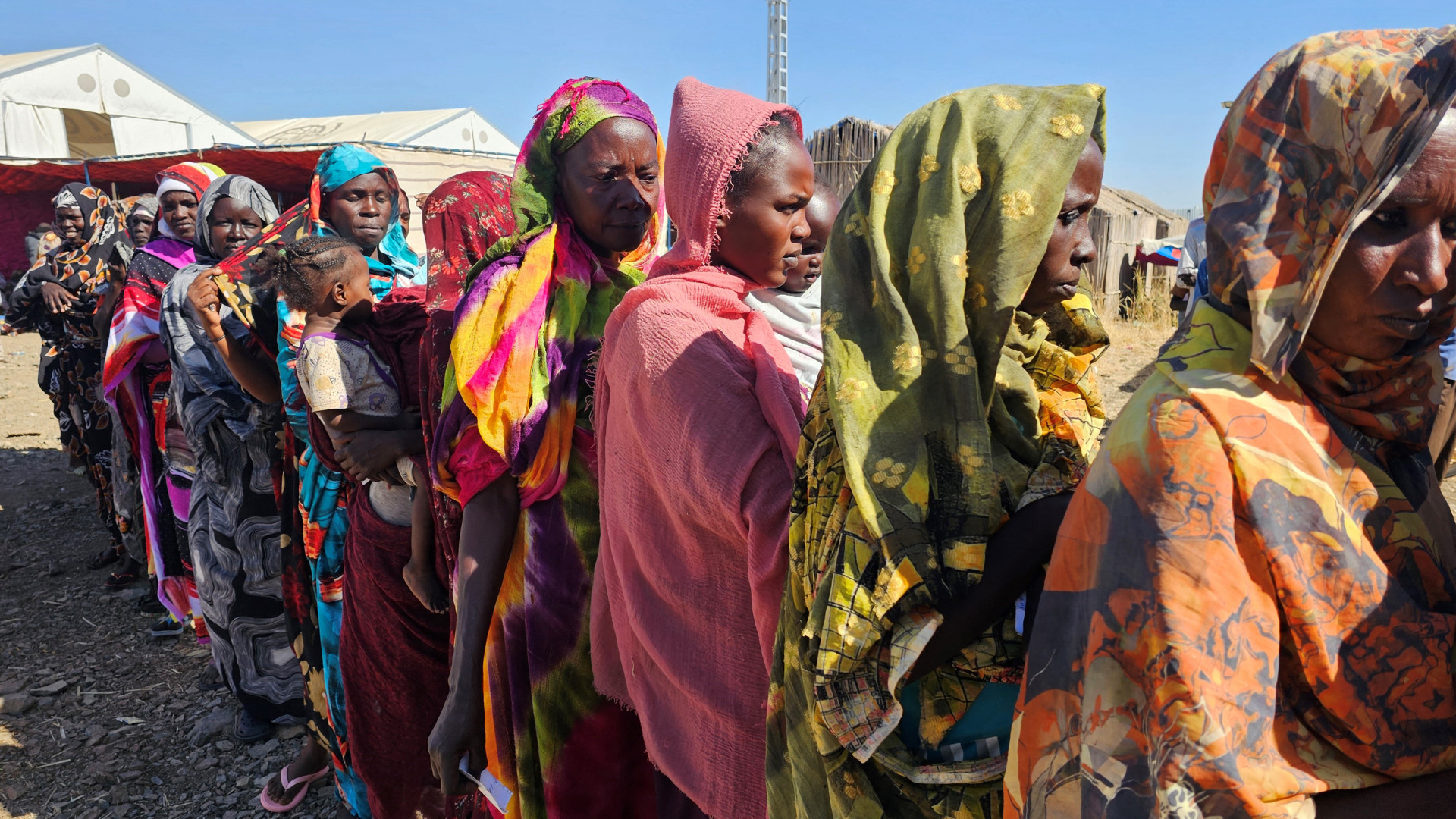
The ongoing conflict in Sudan has spiraled into a humanitarian catastrophe, yet most attempts at peace have a critical flaw: they consistently sideline the protection of Sudan’s civilians. Beyond the lack of focus on accountability for past crimes like genocide and sexual violence, these proposals fail to prioritize the immediate and ongoing safety of the Sudanese people caught in the crossfire. The relentless pursuit of ceasefires between the Sudanese Armed Forces (SAF) and the Rapid Support Forces (RSF), while seemingly logical, has repeatedly left vulnerable populations at the mercy of warring factions. The latest American initiative, unfortunately, appears to follow this same pattern.
The Illusion of Safety: Ceasefires Amidst Atrocities
The disturbing reality is that many of the most horrific atrocities in Sudan have occurred during periods of ceasefire. The genocide in El Geneina, beginning in April 2023, unfolded while SAF forces largely remained in their barracks, allowing the RSF to carry out mass killings unchecked. Similarly, the escalating violence in El Fasher, a continuation of this tragic pattern, took place after SAF and allied militias withdrew from the city. In both instances, a ceasefire existed on paper, but offered no tangible protection to civilians. What was desperately needed was not simply a pause in fighting, but a robust force capable of safeguarding lives.
This experience over the past two years demonstrates a crucial point: ceasefires without enforceable guarantees to prevent atrocities are not peace, but merely opportunities for armed groups to regroup and re-arm, leaving civilians exposed to the worst abuses imaginable. The situation in Sudan has become a literal crime scene, where the absence of protection is as damning as the acts of violence themselves.
International Neglect and Missed Opportunities
Months ago, during discussions about humanitarian needs in Sudan, I emphasized to a senior European diplomat that strengthening the SAF’s capacity to defend threatened urban centers was paramount. The international community, however, has largely insisted on the same ceasefire-focused approach, seemingly unable to grasp the consequence of inaction. This insistence, bordering on negligence, effectively amounts to complicity in the ongoing gross violations of human rights.
One potential exception was the May 2023 Jeddah Declaration. While sponsored by Saudi Arabia and the United States, the crucial “humanitarian protocol” originated from an African-led group headed by former South African President Thabo Mbeki. Yet, despite this promising start, neither the sponsors, the African Union, nor any other international body actively pushed for its implementation.
A Flawed Plan and the Prioritization of Civilian Protection
The recent peace plan proposed by Sudanese Prime Minister Kamil Idris, while attempting to address the issue of atrocities, ultimately falls short. The plan, presented in a surprise speech to the United Nations Security Council in December 2023, relies heavily on the assumption that the RSF will simply disarm and disband upon request. This is a naive expectation, given the group’s demonstrated disregard for international norms and its continued pursuit of power. The lack of prior internal consultation within Sudan, or with regional and international partners, further weakens its viability.
The core of Idris’s plan – a ceasefire monitored by the UN and regional bodies, followed by RSF withdrawal and disarmament – is contingent on a crucial element: ensuring the safety of civilians in Sudan and the unimpeded flow of humanitarian assistance. However, this requirement faces significant obstacles.
Obstacles to Civilian Safety
The RSF has consistently obstructed aid routes, most brutally demonstrated by the nearly two-year siege of El Fasher. Aid convoys, facilities, and workers are routinely targeted through looting, shelling, murder, and kidnapping. Perhaps most concerning is the silence, or even complicity, of certain international actors, including humanitarian organizations, who fail to condemn these violations and continue to engage with the RSF without demanding accountability. Instead, the militia is often rewarded, further incentivizing its atrocities.
The insistence on including the RSF in negotiations before securing a halt to the violence is a critical error. A recent UN visit to El Fasher, two months after the RSF stormed the city, exemplifies this problem. The team described the city as a “crime scene,” acknowledging the devastation but offering little in the way of immediate protection. Reports from Yale University’s Humanitarian Research Lab suggest the RSF actively worked to conceal evidence of massacres. The UN’s response – another call for a ceasefire and a fundraising appeal – felt tragically inadequate.
A Realistic Path Forward: Prioritizing Protection
A more realistic approach requires a fundamental shift in strategy. The focus must be on protecting civilians, cities, and civilian life. This necessitates a strong international and regional coalition to confront the RSF, force its withdrawal from North Darfur and key cities in South Darfur, and secure the release of those held captive. This must be accompanied by intensive UN monitoring in areas of RSF presence to safeguard civilians.
Furthermore, the government needs adequate deterrent capabilities, backed by strong international support, to prevent future attacks and weaken the militia’s ability to operate. Any ceasefire plan must be predicated on the unequivocal condemnation of past and ongoing atrocities, a shared commitment to civilian protection, and effective accountability for perpetrators.
Subsequent phases, such as civilian dialogue, should proceed in parallel, but only after these foundational principles are established. Negotiations cannot include actors who refuse to condemn the RSF’s crimes or prioritize the safety of Sudanese citizens.
With nearly half of Sudan’s population displaced, achieving peace and deterring further aggression against civilians must be the paramount priority. The time for half-measures and flawed assumptions is over. The future of Sudan, and the lives of its people, depend on a resolute commitment to protecting those who have been consistently left out of the picture.