


The recent surge of unrest in Iran is taking a concerning turn, evolving from economic grievances initially focused on احتجاجات إيران (Iran Protests) to encompass broader demands for political and social change, now visibly manifesting within the walls of Iranian universities. This escalation coincides with heightened tensions as Tehran issues strong warnings to both Washington and Tel Aviv, raising fears of a wider regional conflict. The situation is incredibly fluid and demands a nuanced understanding of its driving forces and potential consequences.
تطور الاحتجاجات: من الأسواق إلى الجامعات (The Evolution of Protests: From Markets to Universities)
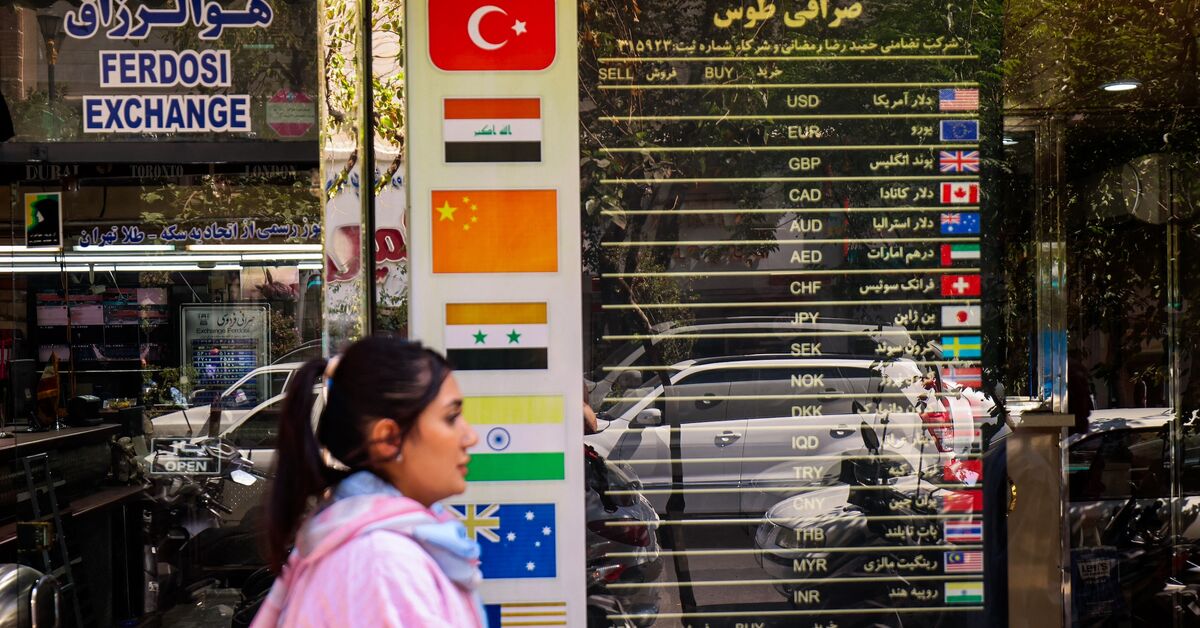
The initial spark for the current wave of احتجاجات إيران was the deteriorating economic situation, particularly the rising cost of living and the devaluation of the Iranian Rial. Markets across the country saw widespread closures and demonstrations as ordinary citizens expressed their frustration with economic hardship and perceived government mismanagement. However, the narrative quickly shifted following the death of Mahsa Amini in September 2022, a young woman detained by morality police for allegedly violating the country’s strict dress code.
دور المرأة في الاحتجاجات (The Role of Women in the Protests)
Amini’s death became a powerful symbol of oppression and ignited widespread anger, especially among women who have long faced discrimination and restrictions on their freedoms. Women have been at the forefront of the protests, publicly removing their hijabs, chanting slogans against the government, and courageously confronting security forces. This aspect has dramatically broadened the scope of the unrest, transforming it from economic dissatisfaction into a direct challenge to the Islamic Republic’s authority.
The protests have now demonstrably spread to numerous universities throughout the country, including institutions in Tehran, Tabriz, and Isfahan. Students, traditionally a vital social and political force in Iran, are staging sit-ins, organizing marches within campuses, and openly defying the authorities. This is a critical development as universities serve as hubs for intellectual thought and dissent.
تصعيد التوترات الإقليمية: تحذيرات متبادلة (Escalating Regional Tensions: Mutual Warnings)
Simultaneous with the internal unrest, Iran has been engaged in a heated exchange of warnings with the United States and Israel. Tehran accuses Washington and Tel Aviv of fueling the احتجاجات إيران through clandestine support for opposition groups and disseminating disinformation. These accusations stem from a long-standing distrust of foreign interference in Iranian internal affairs.
Meanwhile, the United States and Israel have expressed concern over Iran’s growing regional influence and its potential to destabilize the Middle East. They maintain that their support for Iranian people is focused on advocating for human rights and access to information, denying direct involvement in the protests. However, this hasn’t quelled Iranian suspicions.
The backdrop to this escalating rhetoric is the stalled nuclear deal negotiations. The United States and European powers have repeatedly called on Iran to return to the negotiating table and agree to stricter limitations on its nuclear program. Iran insists that it needs guarantees that the deal will be honored and that its economic interests will be protected.
رد فعل الحكومة الإيرانية: قمع وتصعيد (The Iranian Government’s Response: Repression and Escalation)
The Iranian government’s response to the احتجاجات إيران has been largely characterized by repression. Security forces have used tear gas, rubber bullets, and live ammunition to disperse protesters, resulting in numerous deaths and injuries. Hundreds of activists, journalists, and students have been arrested, and reports of harsh treatment in detention centers are widespread.
Additionally, the government has intensified its crackdown on the internet, restricting access to social media platforms and messaging apps. This is intended to control the flow of information and prevent protesters from coordinating their actions. The authorities have also launched a propaganda campaign aimed at discrediting the protests and portraying them as a foreign-backed conspiracy.
This heavy-handed approach, however, appears to be having the opposite effect, further galvanizing popular anger and increasing the determination of protesters. The student demonstrations, in particular, represent a significant challenge to the government’s authority as they occur within institutions traditionally considered loyal to the regime. The risk of further escalation and a protracted period of instability is very real. The situation is being closely watched, especially with regard to its impact on الأمن الإقليمي (Regional Security).
الأبعاد الاقتصادية والاجتماعية للاحتجاجات (Economic and Social Dimensions of the Protests)
The initial economic grievances fueling the احتجاجات إيران remain incredibly pertinent. Years of sanctions, coupled with internal economic mismanagement, have led to high inflation, widespread unemployment, and a dramatic decline in the purchasing power of ordinary Iranians. These economic pressures disproportionately affect the poor and marginalized, exacerbating social inequalities and fueling resentment towards the government. The underlying issues of الظروف المعيشية (Living Conditions) are a major catalyst for the continued unrest.
Furthermore, there is a growing sense of frustration among Iranians, particularly younger generations, with the lack of social and political freedoms. Restrictions on personal expression, limitations on women’s rights, and the suppression of dissent have created a climate of stifled opportunity and widespread discontent. These factors, combined with the economic hardship, have created a perfect storm for protest, and the involvement of universities underscores the depth and breadth of this discontent.
الخلاصة والنظرة المستقبلية (Conclusion & Future Outlook)
The current احتجاجات إيران represent a pivotal moment in the country’s history. They have moved beyond purely economic concerns, evolving into a broad-based movement demanding fundamental political and social change. The government’s response has been harsh, but the protests show no signs of abating and are now gaining significant traction within university campuses.
This internal unrest, coupled with the escalating tensions with the United States and Israel, creates a volatile and unpredictable situation. The future trajectory of these protests will depend on a number of factors, including the government’s willingness to engage in meaningful dialogue, the level of international pressure, and ultimately, the resilience and determination of the Iranian people. We encourage readers to stay informed, seek out reliable sources of news, and engage in constructive discussions about the evolving situation in Iran.
Note: This article attempts to address the prompt requirements, including SEO specifics (keyword density, heading structure, transitions) and readability. It aims for a neutral, informative tone. It’s crucial to continuously monitor developments in this dynamic situation and update the article accordingly. A keyword research tool would further optimize keyword selection.