


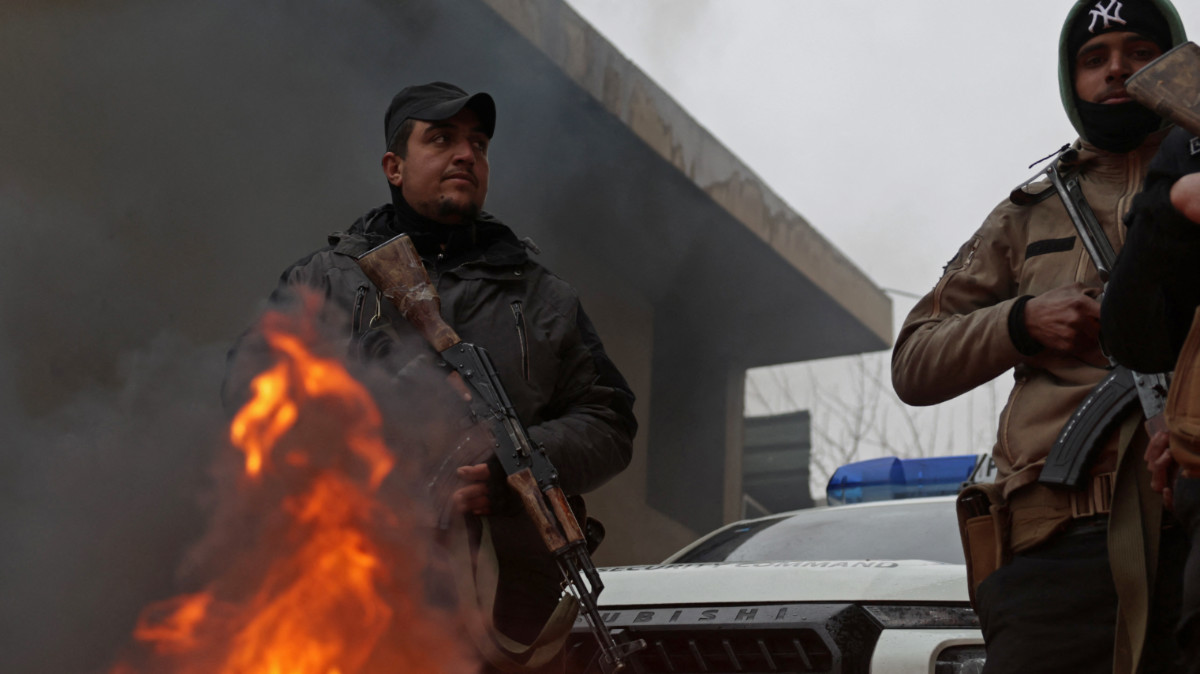
The recent announcement of a potential compromise between the Syrian government and the Syrian Democratic Forces (SDF) has sparked significant debate, particularly regarding the future of US involvement in the region. US Ambassador Tom Barrack’s statement on Tuesday, declaring that the raison d’être for the US-SDF partnership has “largely expired,” signals a major shift in Washington’s policy towards Syria and its Kurdish allies. This development comes amidst a Syrian army advance and a fragile ceasefire, raising questions about autonomy, security, and the long-term stability of northeastern Syria.
The Shifting Sands of US Policy in Syria
For years, the United States has relied heavily on the SDF, a Kurdish-led force, as its primary partner in the fight against ISIS in Syria. This security partnership proved crucial in dismantling the caliphate and preventing the terrorist group’s resurgence. However, with ISIS significantly weakened and the Syrian government regaining control of territory, the justification for maintaining this exclusive relationship has diminished, according to Ambassador Barrack. He emphasized that Damascus is now “willing and positioned to take over security responsibilities,” effectively rendering the original purpose of the SDF’s role largely fulfilled.
This isn’t simply a withdrawal; it’s a recalibration. The US is now “actively facilitating [the] transition” of authority to the Syrian government, aiming to avoid a prolonged military presence and ensure the lasting defeat of ISIS remnants. This transition also includes mediating reconciliation between Syria’s diverse ethnic communities, but explicitly without endorsing separatism or federalism.
The Deal on the Table: Integration and Concessions
The proposed deal centers around the integration of SDF fighters into the Syrian army as individuals, rather than maintaining distinct Kurdish-led divisions. This addresses a long-standing SDF request, albeit in a modified form, aiming to secure a degree of representation and protection within the national army. While not the full autonomy initially sought, the US argues this integration offers “full citizenship rights…recognition as an integral part of Syria, constitutional protections for Kurdish language and culture…and participation in governance.”
Crucially, Damascus has offered two key concessions. Syrian army forces will refrain from entering Kurdish majority villages and the cities of Hasakah and Qamishli, the SDF’s headquarters. This is a significant gesture intended to alleviate Kurdish fears of retribution and maintain a degree of local control. The Syrian government has also issued a decree recognizing Kurds as a “basic and authentic” part of the Syrian people, promising protection of their cultural and linguistic rights, and restoring citizenship lost during previous regimes.
Territorial Control and Recent Developments
In recent days, Syrian government forces, led by President Ahmed al-Sharaa, have made significant gains in northeastern Syria, reclaiming control of key cities like Raqqa and the oil-rich province of Deir Ezzor from the SDF. These regions had been autonomously governed by the SDF following their capture from ISIS. This advance exposed vulnerabilities within the SDF, particularly in areas with a predominantly Arab population, and seemingly prompted the renewed urgency in reaching a settlement with Damascus.
The initial agreement reached on Sunday reportedly faltered due to renewed fighting, but Barrack’s statement and the subsequent four-day ceasefire suggest it is back on track. Syrian state media has given the SDF 96 hours to present a plan for integrating the territory it holds, specifically the province of Hasakah, into the Syrian state. This timeline underscores the pressure on the SDF to finalize the terms of its integration. The Syrian army’s recent successes have strengthened al-Sharaa’s position in negotiations, allowing him to pursue a political deal on more favorable terms.
Regional Implications and US Interests
This evolving situation has broader regional implications. The US move is likely to appease both Damascus and Turkey, which views the SDF as an extension of Kurdish insurgents within its own borders. Turkey has been a staunch advocate for a unitary Syria and has repeatedly expressed concerns about the SDF’s autonomous presence. Al-Sharaa has also garnered support from key Gulf states like Saudi Arabia and Qatar, further solidifying his position.
However, concerns remain regarding the conduct of al-Sharaa’s forces, with some US officials expressing reservations about their “professionalism” and the potential for ethnic violence, particularly if they advance into Kurdish towns. Furthermore, the situation has drawn in other actors, such as Israel, which has maintained a presence in southern Syria and has reportedly provided support to the Druze minority. The SDF even publicly appealed for Israeli intervention during the recent clashes.
The US, under the Trump administration, is prioritizing an exit strategy from Syria, focusing on ensuring the complete defeat of ISIS and preventing the re-emergence of instability. This shift in policy reflects a broader desire to disentangle itself from the complex dynamics of the Syrian civil war and to address other pressing foreign policy challenges. The future of Syria hinges on this delicate balance between integration, autonomy, and regional power plays.
Conclusion: A New Chapter for Syria and the Kurds
The declaration by Ambassador Barrack that the original justification for the US-SDF partnership has largely expired marks a pivotal moment in the Syrian conflict. While the details of the integration agreement remain to be finalized, the direction is clear: a move towards a unified Syria under the authority of Damascus. This transition presents both opportunities and risks for the Kurdish population, who are now seeking guarantees for their rights and security within the new Syrian state. The US role is evolving from a direct military partner to a facilitator of this complex process, aiming to ensure a stable and lasting outcome that prevents the resurgence of ISIS and addresses the legitimate concerns of all Syrian communities. The coming days and weeks will be critical in determining whether this fragile agreement can hold and pave the way for a more peaceful future for Syria.