


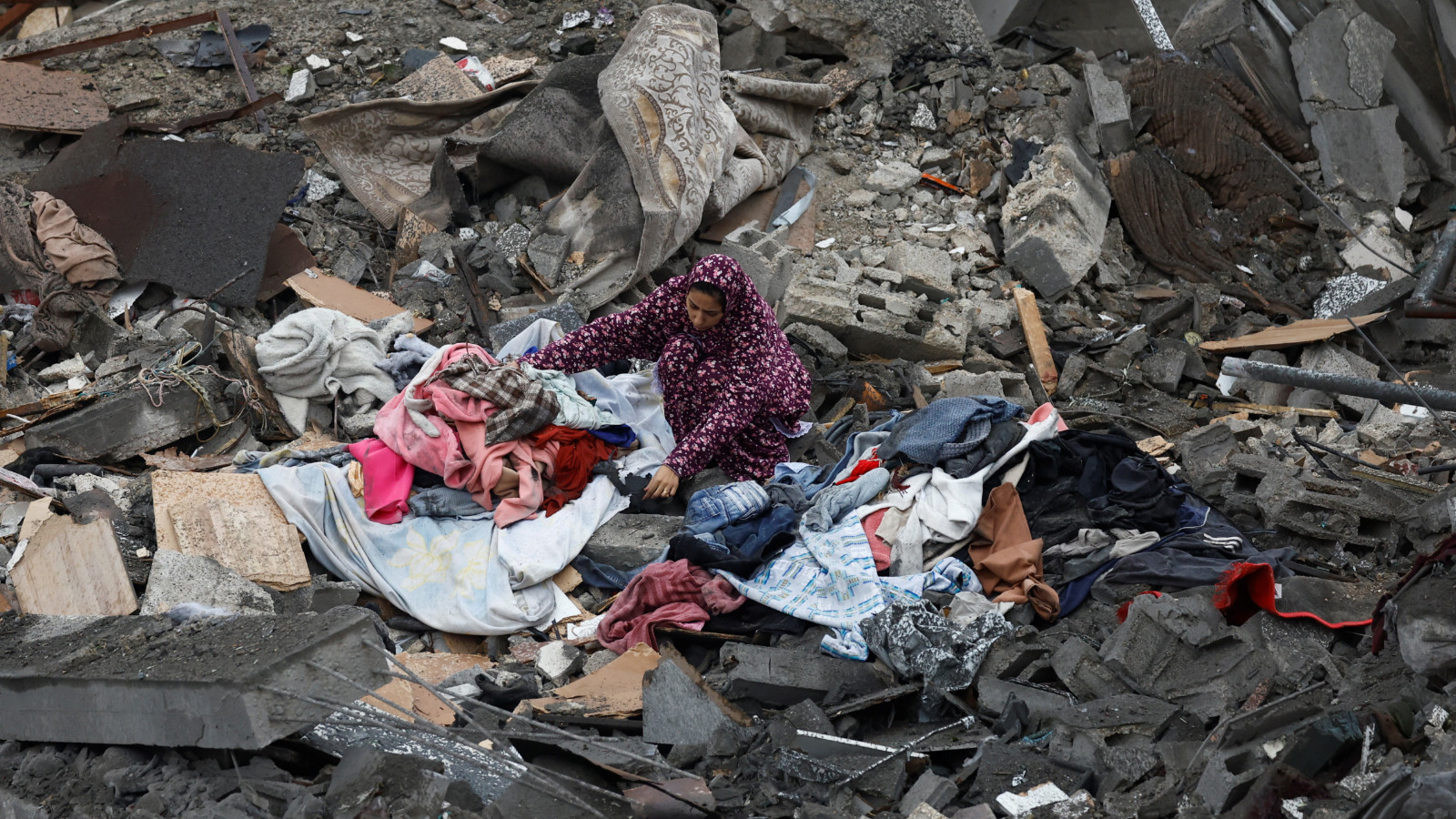
The United States government has extended an invitation to Turkish President Recep Tayyip Erdogan to play a pivotal role in the future of the Gaza Strip, specifically as a member of a newly formed body called the “Board of Peace.” This move, reported by Middle East Eye (MEE), comes amidst ongoing efforts to rebuild and govern Gaza following the recent ceasefire and despite reported Israeli objections. The proposed board aims to oversee the administration and reconstruction of the devastated territory, a task of immense complexity and political sensitivity. Understanding the structure and composition of this “Board of Peace” is crucial for analyzing the potential trajectory of Gaza’s recovery and future stability.
The Formation of the Board of Peace & Erdogan’s Invitation
The initiative for the Board of Peace originated with US President Donald Trump, who brokered the ceasefire agreement in September alongside Egypt, Turkey, and Qatar. The intention is to create a high-level body representing all key negotiating parties, ensuring a broad-based approach to Gaza’s reconstruction and governance.
Confirming the reports, Burhanettin Duran, the Turkish President’s Director of Communications, announced on X (formerly Twitter) that President Trump sent a formal letter on January 16, 2026, inviting President Erdogan to participate as a founding member. This confirmation underscores the seriousness of the invitation and Turkey’s willingness to engage in the process. The inclusion of Turkey, a nation with significant regional influence and a history of involvement in the Israeli-Palestinian conflict, is seen by many as vital for the success of any long-term solution.
A New Governance Structure for Gaza: Unveiling the Committees
The White House recently unveiled a detailed structure for post-war Gaza governance, comprising several committees and institutions designed to share administrative responsibilities. However, the announcement has been met with scrutiny, as many of the appointed figures are perceived as having pro-Israel leanings. This has raised concerns about the fairness and impartiality of the new framework.
The structure is built around three main bodies: the National Committee for the Administration of Gaza (NCAG), the Board of Peace Executive Board, and the Gaza Executive Board. Each body has a distinct role, but ultimately, they all fall under the umbrella of the US-led Board of Peace.
The National Committee for the Administration of Gaza (NCAG)
The NCAG, led by Dr. Ali Shaath, will consist of 15 technocrats from Gaza. Backed by Palestinian political factions and the mediating countries, its primary function will be to manage day-to-day civil services, including essential areas like education, sewage management, and basic infrastructure.
However, it’s important to note that the NCAG will lack political authority. It will operate under the direct supervision of the Board of Peace, effectively concentrating decision-making power within the Trump administration’s team. This arrangement has sparked debate about the extent of Palestinian self-governance within the new framework.
The Board of Peace Executive Board: Strategic Vision
The Board of Peace Executive Board is tasked with developing a long-term strategic vision for Gaza’s future. This board is separate from the Board of Peace itself, which will be comprised of heads of state like President Erdogan. Officials suggest the Executive Board model could be replicated in other post-conflict regions.
The Executive Board boasts a diverse membership, including US Secretary of State Marco Rubio, US special envoys Steve Witkoff and Jared Kushner, former UK Prime Minister Tony Blair, American investor Marc Rowan, World Bank President Ajay Banga, and US Deputy National Security Advisor Robert Gabriel Jr. Each member will oversee a specific portfolio crucial to Gaza’s stabilization, encompassing areas like governance, regional relations, reconstruction, investment, and capital funding.
Key Appointments & Potential Concerns
The White House has also appointed Aryeh Lightstone, CEO of the Abraham Accords Peace Institute, and Josh Gruenbaum, Commissioner of the US General Services Administration’s Federal Acquisition Service, as senior advisors to the Board of Peace. Lightstone’s deep involvement in the Abraham Accords and his role in the controversial Gaza Humanitarian Foundation, coupled with his criticism of the United Nations, have drawn attention.
Gruenbaum’s appointment is particularly noteworthy, given his limited experience in foreign policy or national security. He gained prominence for leading financial crackdowns on US universities over pro-Palestine activism, threatening federal funding for institutions deemed to be failing to curb “anti-Zionist” speech. This raises questions about potential bias and the suppression of dissenting voices within the governance structure.
Additionally, former UN envoy Nikolay Mladenov will serve as Gaza High Representative, acting as a liaison between the NCAG and the Board of Peace. Major General Jasper Jeffers will command the International Stabilisation Force (ISF), responsible for maintaining security and monitoring ceasefire compliance.
The Gaza Executive Board: A Collaborative Approach?
The Gaza Executive Board is designed to support both the office of the High Representative and the NCAG. Its membership includes US envoys Witkoff and Kushner, Turkish Foreign Minister Hakan Fidan, Qatari advisor Ali Al-Thawadi, Egyptian General Intelligence Director General Hassan Rashad, former UK Prime Minister Tony Blair, American financier Marc Rowan, UAE Minister of State for International Cooperation Reem Al-Hashimy, former UN envoy Nikolay Mladenov, Israeli-Cypriot businessman Yakir Gabay, and UN Special Coordinator for the Middle East Peace Process Sigrid Kaag.
This board aims to foster collaboration between key stakeholders, but the presence of individuals with perceived pro-Israel biases continues to fuel concerns about equitable representation and decision-making. The success of the Board of Peace and its associated bodies will depend on addressing these concerns and ensuring a genuinely inclusive process.
Looking Ahead: Challenges and Opportunities for Gaza
The establishment of the Board of Peace represents a significant, albeit controversial, step towards rebuilding and governing Gaza. The inclusion of Turkey, despite Israeli opposition, highlights the importance of regional actors in achieving lasting stability. However, the perceived imbalance in representation and the concentration of power within the US administration pose substantial challenges.
The effectiveness of this new governance structure will hinge on its ability to address the immediate humanitarian needs of the Gazan population, foster economic development, and promote a sustainable political solution. Monitoring the implementation of the framework, particularly the role of the Board of Peace and the extent of Palestinian self-determination, will be crucial in the coming months. Further analysis of the Gaza reconstruction efforts and the impact of these new bodies on the lives of ordinary Palestinians is essential for understanding the long-term implications of this initiative.