


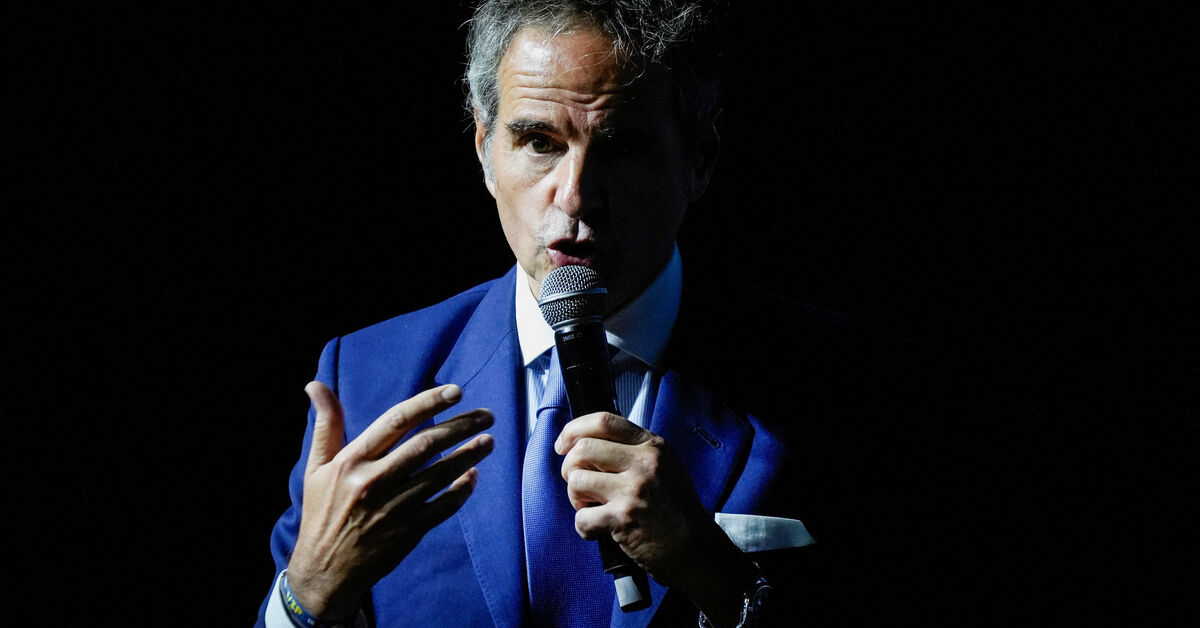
The escalating tensions surrounding Iran’s nuclear program continue to be a major concern on the international stage. Recent statements by Rafael Grossi, the head of the International Atomic Energy Agency (IAEA), highlight a critical impasse regarding the inspection of Iranian nuclear facilities and the accounting for enriched uranium, specifically the substantial stockpile of uranium enriched to near weapons-grade levels. This situation demands urgent attention and a renewed commitment to diplomatic solutions. The core issue revolves around verifying the peaceful nature of Iran’s nuclear activities and ensuring compliance with international treaties.
الوضع النووي الإيراني: تحذيرات من الوكالة الدولية للطاقة الذرية بشأن الرقابة والتفتيش
(Al-Wad’ al-Nawawi al-Irani: Tahdhirat min al-Wikalah al-Duwaliyah lil-Taqah al-Dharriyah bisha’n al-riqabah wal-taftish) – The Iranian Nuclear Situation: Warnings from the IAEA Regarding Oversight and Inspection
The Director-General of the IAEA, Rafael Grossi, voiced his concerns during the World Economic Forum in Davos, stating that the current standoff with Iran regarding the verification of its nuclear materials cannot continue indefinitely. He emphasized the necessity for Iran to provide a comprehensive report detailing the status of facilities that were previously inspected but have since been impacted by military actions attributed to the United States and Israel. These facilities include Natanz, Fordow, and Isfahan.
مخزون اليورانيوم المُخصَّب و خطر الانتشار
(Makhzun al-Yuraniyum al-Mukhassab wa Khatar al-Intishar) – Enriched Uranium Stockpile and the Risk of Proliferation
According to the IAEA, Iran currently possesses an estimated 440.9 kilograms of uranium enriched to up to 60% purity. This level of enrichment is dangerously close to the 90% required for weapons-grade uranium. Grossi clarified that this amount of material, if further enriched, would be sufficient to produce approximately ten nuclear bombs, based on established IAEA benchmarks. The lack of access to the bombed sites prevents the agency from confirming the fate of this material, raising fears of potential diversion or concealment. This is a critical point, as the international community needs assurances that Iran’s nuclear program remains solely for peaceful purposes. The issue of nuclear verification is paramount to global security.
تقرير خاص مُنتَظَر و التزام إيران بالمعاهدة
(Taqrir Khas Muntazar wa iltizam Iran bil-Ma’ahadah) – An Awaited Special Report and Iran’s Commitment to the Treaty
The IAEA has repeatedly requested Iran to submit a “special report” outlining what happened at the damaged facilities and providing a full accounting of the enriched uranium. However, Iran has yet to comply with this request. Grossi stressed that parties to the Nuclear Non-Proliferation Treaty (NPT) cannot selectively choose which obligations to fulfill, stating there is no “a la carte” option. He warned that continued non-compliance could force him to declare Iran in violation of the treaty, a step with significant political and diplomatic consequences. The NPT compliance of Iran is a cornerstone of international efforts to prevent nuclear proliferation.
التحديات و العوامل المؤثرة
(Al-Tahaddiyat wal-Awamil al-Mu’aththirah) – Challenges and Influencing Factors
The IAEA’s ability to conduct inspections has been hampered by several factors. The agency last verified Iran’s stock of highly enriched uranium over seven months ago, falling short of its own guidance for monthly verification. Furthermore, recent civil unrest within Iran has made it impossible to carry out on-site inspections. While Iranian officials have indicated that the situation has stabilized, Grossi questioned whether this is sufficient justification for resuming inspections.
He also acknowledged the influence of ongoing diplomatic efforts, led by U.S. Special Envoy Steve Witkoff, aimed at reaching a broader agreement with Iran. “I cannot ignore it, and I wish it well so that there can be an understanding without the looming threat of new military activity over there or something of the sort,” Grossi stated. These broader negotiations are undoubtedly intertwined with the IAEA’s verification efforts. The success of these talks could potentially alleviate the pressure on the IAEA, while failure could exacerbate the situation. Diplomatic solutions remain the preferred path forward.
الإطار الزمني المحتمل و آفاق المستقبل
(Al-Iṭār al-Zamānī al-Muḥtamal wa Āfāq al-Mustaqbal) – The Potential Timeline and Future Prospects
Grossi expressed a degree of “diplomatic prudence” but reiterated the urgency of the situation. He believes a resolution could be possible within a “reasonable time frame,” suggesting this spring as a potential deadline. He also revealed plans to meet with Iranian Foreign Minister Abbas Araqchi in the coming weeks to discuss these critical issues.
However, the path to a resolution remains uncertain. Iran maintains that it is fully cooperating with the IAEA, but its failure to submit the requested report casts doubt on this claim. The international community must continue to press Iran to fulfill its obligations and allow the IAEA to conduct thorough and unimpeded inspections. The stakes are simply too high to allow this situation to drift.
In conclusion, the situation surrounding Iran’s nuclear program is at a critical juncture. Rafael Grossi’s warnings underscore the urgent need for Iran to cooperate fully with the IAEA and provide the necessary transparency to ensure the peaceful nature of its nuclear activities. The international community must remain vigilant and committed to finding a diplomatic solution that safeguards global security and prevents further escalation. Continued dialogue, coupled with robust nuclear safeguards, is essential to address this complex challenge. Readers are encouraged to follow updates from the IAEA and reputable news sources for the latest developments.