


The conflict in Sudan continues to escalate, with the Rapid Support Forces (RSF) achieving a significant strategic victory on Monday by capturing the country’s largest oil field in Heglig. This move represents a substantial gain for the paramilitary group as it battles the Sudanese Armed Forces (SAF) for control of key territories, particularly in the resource-rich south. The capture of Heglig oil field not only alters the economic landscape of the war but also signals a potential shift in the balance of power, raising concerns about the future of Sudan’s unity and stability.
RSF Seizes Control of Heglig: A Strategic Blow
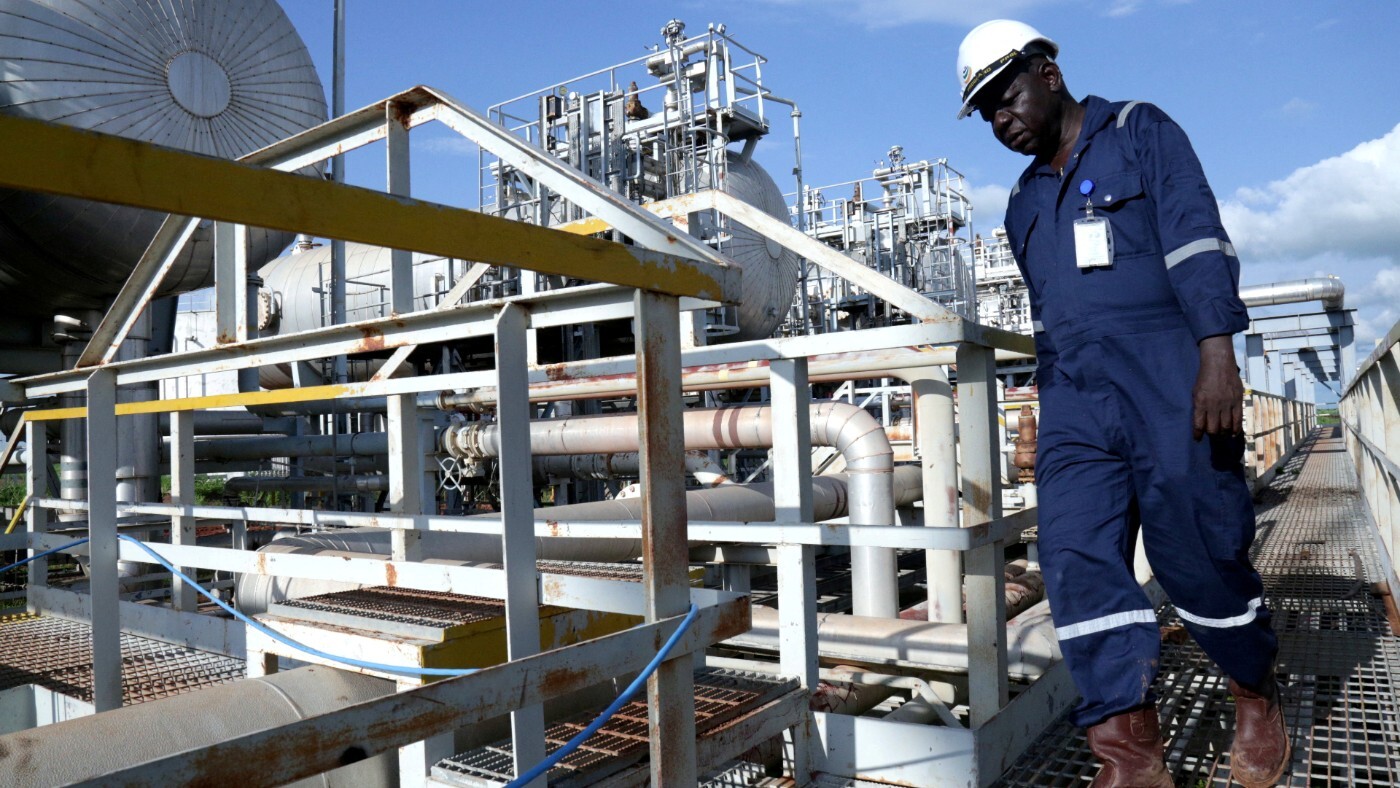
Heglig, located in the Muglad Basin on the border between Sudan’s South Kordofan and South Sudan’s Unity State, is a critical asset for both nations. The area boasts approximately 75 oil wells, alongside essential infrastructure like storage tanks and processing stations. More importantly, it serves as a vital junction on the 1,600km Greater Nile Oil Pipeline, which transports crude oil from South Sudan to Port Sudan for international export.
The RSF’s control now extends to the section of the pipeline running through West Kordofan, nearing el-Obeid, the SAF-held capital of North Kordofan. Reports indicate the RSF has deployed engineers to Heglig, suggesting intentions to maintain and potentially exploit the oil infrastructure. The RSF itself proclaimed the capture of Heglig as “a pivotal point in the liberation of the entire homeland, given the region’s economic importance.”
Economic and Military Implications of the Heglig Capture
According to Emadeddin Badi, a specialist in Sudan’s war economy, the fall of West Kordofan opens a direct corridor towards el-Obeid, and ultimately, a pathway back to Omdurman and Khartoum – the RSF’s ultimate strategic objectives. Badi highlights the role of the United Arab Emirates (UAE), alleging they are facilitating the RSF’s advances through supplies and financial support. While the UAE denies these claims, mounting evidence from sources like Middle East Eye and the United Nations suggests otherwise.
Beyond the military advantages, securing Heglig and el-Obeid, which hosts a major refinery, provides the RSF with a crucial revenue stream. This would further solidify their wartime economy and ability to sustain the conflict. The control of Sudan’s oil resources is becoming increasingly central to the power struggle.
Expanding RSF Control in Southern Sudan
The capture of Heglig follows the RSF’s recent success in seizing el-Fasher, the last SAF stronghold in Darfur, after a prolonged siege. This expansion into Kordofan, a region abundant in gold and oil, is being aided by the Sudan People’s Liberation Movement-North (SPLM-N) faction led by Abdelaziz al-Hilu. Both gold and oil from this region are reportedly exported to the UAE, further fueling speculation about external support for the RSF.
Badi emphasizes the significance of this control, stating, “With Heglig now in RSF hands, the UAE will seek to maximize the political, military and economic leverage this creates.” This sentiment suggests the UAE’s interests are closely tied to the RSF’s access to and control over these valuable commodities.
SAF Response and Regional Dynamics
The Sudanese Armed Forces have faced setbacks in the region. Military sources report that the SAF’s 90th infantry brigade withdrew from Heglig after reaching an agreement with local Messiria leaders and the South Sudan People’s Defence Forces (SSPDF). This withdrawal, coupled with failing support from Turkey and Egypt, has left SAF positions vulnerable.
Interestingly, footage emerged showing South Sudanese soldiers alongside RSF fighters in Heglig. While seemingly cooperative, Sudanese analyst Jihad Mashamoun believes South Sudanese officials may be divided on their support for the RSF. He suggests potential pressures stemming from the UAE’s influence and a substantial $12 billion “loan deal” between South Sudan and a member of Abu Dhabi’s ruling family. The stability of South Sudan’s oil pipeline is clearly a key regional concern.
Future Prospects and Concerns
The RSF’s momentum is undeniable. Targeting of Um Rawaba in North Kordofan, coupled with their sights set on el-Obeid, indicate a continued push towards Khartoum. A western military analyst predicts further RSF advances into the border region with South Sudan’s Upper Nile state.
The RSF’s ultimate goal appears to be a systematic seizure of nodes connected to Sudan’s oil economy, aiming to deepen their control and negotiate from a position of strength. Sources indicate the RSF intends to increase its share of revenue from Heglig’s oil and even explore alternative routes for refining and exporting oil outside of Sudan, utilizing container trucks and potentially seeking refining facilities elsewhere. The recent announcement by the China National Petroleum Corporation to end its investments in Sudan further complicates the situation.
A Nation Divided?
The RSF’s control over Darfur and its gains in Kordofan have effectively split Sudan in two. The SAF maintains control over the north, east, and center, while the RSF dominates the west and, with allied support, significant portions of the south. This raises the specter of a potential division similar to Libya.
However, Mashamoun argues that a complete split is unlikely in the immediate future, citing differences between the Sudanese and Libyan contexts. While the SAF possesses the bureaucratic infrastructure of a state, the RSF lacks similar organizational depth. The control over Sudanese oil production remains a crucial element in determining the country’s future.
Ultimately, the situation in Sudan remains volatile and complex. The capture of the Heglig oil field represents a turning point, with profound economic, military, and geopolitical consequences. The role of external actors, particularly the UAE, and the potential for further fragmentation remain major concerns as the conflict continues to unfold.