


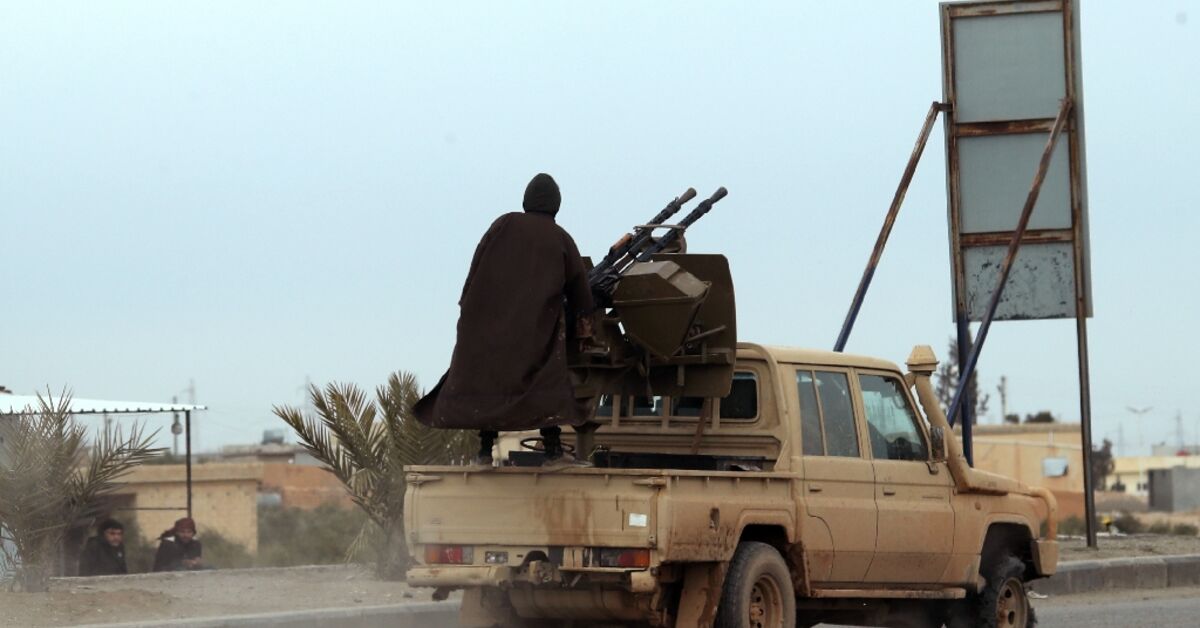
The recent escalation in northern Syria has seen the Syrian army making significant gains against Kurdish forces, effectively ending over a decade of de facto autonomy in the region. This shift in control, coupled with a surprising presidential decree recognizing Kurdish as a national language, has sparked a complex reaction, ranging from cautious optimism to accusations of betrayal. The situation remains fluid, with ongoing clashes and a growing humanitarian concern. This article will delve into the details of the Syrian army’s advance, the implications of the presidential decree, and the international response to the unfolding events in northern Syria.
استعادة السيطرة: الجيش السوري يتقدم في شمال سوريا (Restoring Control: The Syrian Army Advances in Northern Syria)
Over the past week, Syrian government forces have launched a series of offensives, successfully dislodging Kurdish-led Syrian Democratic Forces (SDF) from key areas in and around Aleppo and, more recently, capturing the strategically vital city of Tabqa. The capture of Tabqa, located approximately 55 kilometers west of Raqa, is particularly significant as it includes control of the Euphrates Dam, Syria’s largest. Information Minister Hamza Almustafa confirmed the capture via the state news agency SANA, highlighting the importance of securing this critical infrastructure.
However, the SDF disputes the complete takeover, stating they are taking “necessary measures to restore security and stability” in Tabqa. Reports from Deir Hafer, east of Aleppo, indicate SDF fighters withdrawing as Syrian army presence intensifies, allowing residents to return. The fighting has resulted in casualties on both sides, with the Syrian army reporting four soldiers killed and Kurdish forces acknowledging losses amongst their fighters. Both sides accuse the other of violating a previously agreed-upon withdrawal deal, further complicating the situation.
المناطق العسكرية المغلقة والتوتر المتزايد (Military Zones and Rising Tensions)
The Syrian government has designated a large swathe of territory southwest of the Euphrates River as a “closed military zone,” imposing a curfew in the Raqa region. This move has been met with concern by Kurdish authorities, who fear it signals a broader intent to eliminate their influence. Reports have emerged of escalating tensions, including accusations that the SDF destroyed two bridges over the Euphrates in Raqa city, potentially disrupting transportation and access to resources. Furthermore, the Raqa media directorate accuses the SDF of deliberately cutting off the city’s water supply by damaging main water pipes.
In Deir Ezzor, the governor reported SDF rocket attacks on government-controlled neighborhoods, while the SDF claims their positions were attacked by pro-government factions. This reciprocal blame game underscores the fragility of the situation and the potential for further escalation.
مرسوم رئاسي يمنح اللغة الكردية اعترافًا رسميًا (Presidential Decree Grants Official Recognition to the Kurdish Language)
Amidst the military advances, President Ahmed al-Sharaa issued a decree recognizing Kurdish as a “national language” within Syria and granting official recognition to the Kurdish minority. This is a landmark decision, marking the first formal acknowledgement of Kurdish rights since Syria’s independence in 1946. The decree states that Kurds are “an essential and integral part” of Syria, addressing decades of marginalization and discrimination. It also aims to restore nationality to Kurds who were stripped of it under the controversial 1962 census, affecting approximately 20% of the Kurdish population.
Despite the historical significance of the decree, Kurdish leaders have expressed reservations. They view it as a partial concession that falls short of their broader aspirations for self-governance and constitutional recognition of their rights. Residents in Qamishli, a major Kurdish city, voiced a desire for more substantial guarantees, emphasizing the need for constitutional protections. Analysts like Nanar Hawach from the International Crisis Group suggest the decree is a strategic move to offer “cultural concessions while consolidating military control,” rather than a genuine commitment to Kurdish autonomy.
ردود الفعل الدولية والمخاوف المتصاعدة (International Reactions and Growing Concerns)
The recent developments in northern Syria have drawn international attention and concern. US envoy Tom Barrack met with SDF chief Mazloum Abdi in Erbil, Iraq, signaling continued US engagement in the region. However, the US also maintains support for the Syrian government, creating a complex diplomatic dynamic. US Central Command has urged Syrian government forces to halt offensive actions between Aleppo and al-Tabqa.
France’s President Emmanuel Macron and the president of Iraqi Kurdistan, Nechirvan Barzani, have also called for de-escalation and a ceasefire, highlighting the international community’s desire to prevent further instability. Meanwhile, a separate US military operation in northwest Syria resulted in the death of a militant linked to an attack on American personnel, adding another layer of complexity to the security landscape. The Syrian conflict continues to be a source of regional and international tension.
خيانة أم تكتيك؟ مستقبل الأكراد في سوريا (Betrayal or Tactic? The Future of the Kurds in Syria)
The SDF has accused Damascus of “violating recent agreements and betraying our forces,” following clashes south of Tabqa. This accusation underscores the deep mistrust between the two sides. The Syrian army, in turn, has called on the SDF to fully withdraw east of the Euphrates River, as previously agreed. The core issue revolves around the SDF’s control over oil-rich territories in the north and northeast, captured during the fight against ISIS. The Syrian government views this control as a threat to its sovereignty and is determined to reassert its authority over the entire country. The political landscape in Syria is shifting rapidly.
The situation is further complicated by the presence of various external actors, each with their own interests and agendas. The future of the Kurds in Syria remains uncertain, dependent on the outcome of negotiations, the level of international pressure, and the evolving dynamics on the ground. The Euphrates River has become a symbolic and strategic dividing line in the conflict.
In conclusion, the Syrian army’s recent advances represent a significant turning point in the Syrian conflict, challenging the long-held autonomy of Kurdish forces. While the presidential decree recognizing Kurdish as a national language is a positive step, it is widely seen as insufficient to address the Kurds’ broader political aspirations. The international community’s calls for de-escalation are crucial, but ultimately, a sustainable solution requires genuine dialogue and a commitment to power-sharing that respects the rights and interests of all Syrians. Further updates on this developing situation will be critical to understanding the long-term implications for the region.