


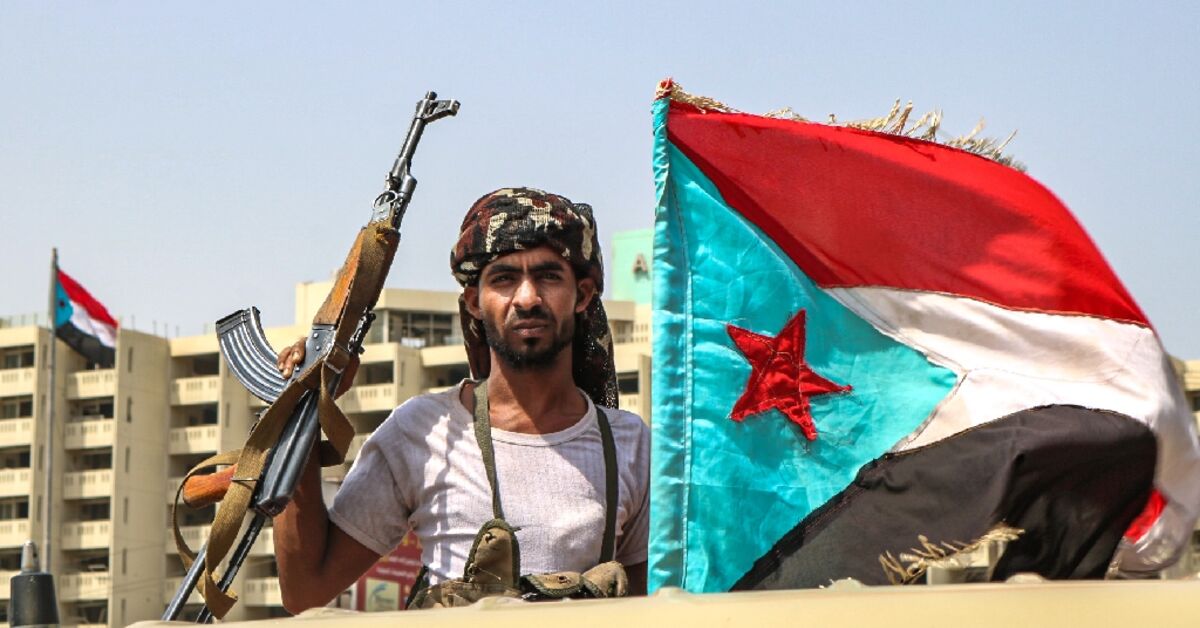
The situation in Yemen continues to be complex and volatile, with recent escalations raising concerns about a potential wider conflict. The Saudi-led coalition issued a stern warning on Saturday, affirming its support for the internationally recognized Yemeni government and threatening intervention should separatist forces continue their military advances. This comes amidst calls for restraint from international actors like the United States, as tensions rise over control of key provinces and the future of South Yemen. Understanding the dynamics of this Yemen conflict is crucial for grasping the geopolitical challenges facing the region.
Saudi Coalition Warns Separatists, Backs Government
The Saudi-led coalition, a key player in Yemen’s ongoing crisis, has made its position unequivocally clear: it stands with the legitimate Yemeni government. Spokesman General Turki al-Malki stated that any military actions that undermine de-escalation efforts will be met with a “direct and immediate” response, prioritizing the protection of civilian lives. This declaration underscores the coalition’s commitment to maintaining stability, even as the Southern Transitional Council (STC) expands its territorial control.
The coalition’s support extends beyond mere words. Reports indicate the amassing of approximately 15,000 Saudi-backed fighters near the border, though they haven’t yet been ordered to engage. This deployment serves as a clear signal of intent to the STC and a reassurance to the Yemeni government. The emphasis remains on a peaceful resolution, but the coalition is prepared to use force if necessary.
Riyadh Calls for Peaceful Withdrawal from Seized Territories
Saudi Defence Minister Khalid bin Salman directly addressed the STC, urging its forces to “peacefully hand over” control of the Hadramawt and Mahrah governorates to the Yemeni government. His statement, posted on X (formerly Twitter), emphasized the need for “reason to prevail” and a peaceful transfer of authority. This call for de-escalation reflects Saudi Arabia’s desire to avoid a prolonged and damaging conflict with a group it has previously cooperated with.
The timing of this request is particularly significant. The minister highlighted the “sensitive moment” facing Yemen, suggesting a broader strategic context influencing Saudi Arabia’s actions. The peaceful withdrawal is presented not just as a demand, but as a responsible act that would contribute to overall stability. However, the STC has so far shown little inclination to comply.
STC’s Defiance and Calls for Independence
Despite reported airstrikes believed to be conducted by Saudi Arabia, the STC has remained defiant. They warned on Friday that they would not be deterred from their objectives, continuing to consolidate their control over large areas of South Yemen. This defiance is fueled by growing public support for independence within the regions they control.
Demonstrations in cities like Aden have become increasingly frequent, with hundreds of Yemenis gathering to demand the declaration of an independent South Yemen. Footage circulating from Aden shows large crowds waving the South Yemen flag alongside the UAE flag, highlighting the STC’s close ties with the United Arab Emirates. This public display of support for secession adds another layer of complexity to the political landscape in Yemen.
Rising Tensions Between Saudi Arabia and the UAE
The recent advances by the STC, backed by the UAE, have reportedly caused embarrassment to Saudi Arabia, the primary supporter of the internationally recognized Yemeni government. The STC’s actions are seen as a direct challenge to Saudi influence and a potential disruption of the broader regional strategy.
Experts like Farea al-Muslimi from Chatham House argue that the STC has crossed “red lines” by publicly humiliating Saudi Arabia. He warns that the situation could deteriorate rapidly, potentially leading to a more direct confrontation between Saudi and UAE-backed forces. The diverging interests of these two Gulf powers are adding significant pressure to the fragile coalition supporting the Yemeni government. The geopolitical rivalry between Saudi Arabia and the UAE is increasingly evident in Yemen.
International Response and the Path Forward
The United States has urged restraint from all parties involved, emphasizing the need for continued diplomacy to reach a “lasting solution.” Secretary of State Marco Rubio’s statement reflects Washington’s concern about the escalating conflict and its potential impact on regional stability.
The Yemeni government, meanwhile, has appealed to the Saudi-led coalition for direct support in Hadramawt, requesting “all necessary military measures” to protect civilians and bolster its armed forces. This request underscores the government’s vulnerability and its reliance on external assistance.
The current situation highlights the deep-seated divisions within Yemen and the challenges of achieving a lasting peace. The STC’s pursuit of South Yemen independence, coupled with the backing of the UAE, creates a significant obstacle to a unified and stable Yemen. The Saudi-led coalition’s commitment to the Yemeni government, while understandable, risks further escalating the conflict. A comprehensive political solution that addresses the legitimate grievances of all parties, including the STC, remains the only viable path towards a sustainable peace in Yemen. The future of the Yemeni government hangs in the balance.