


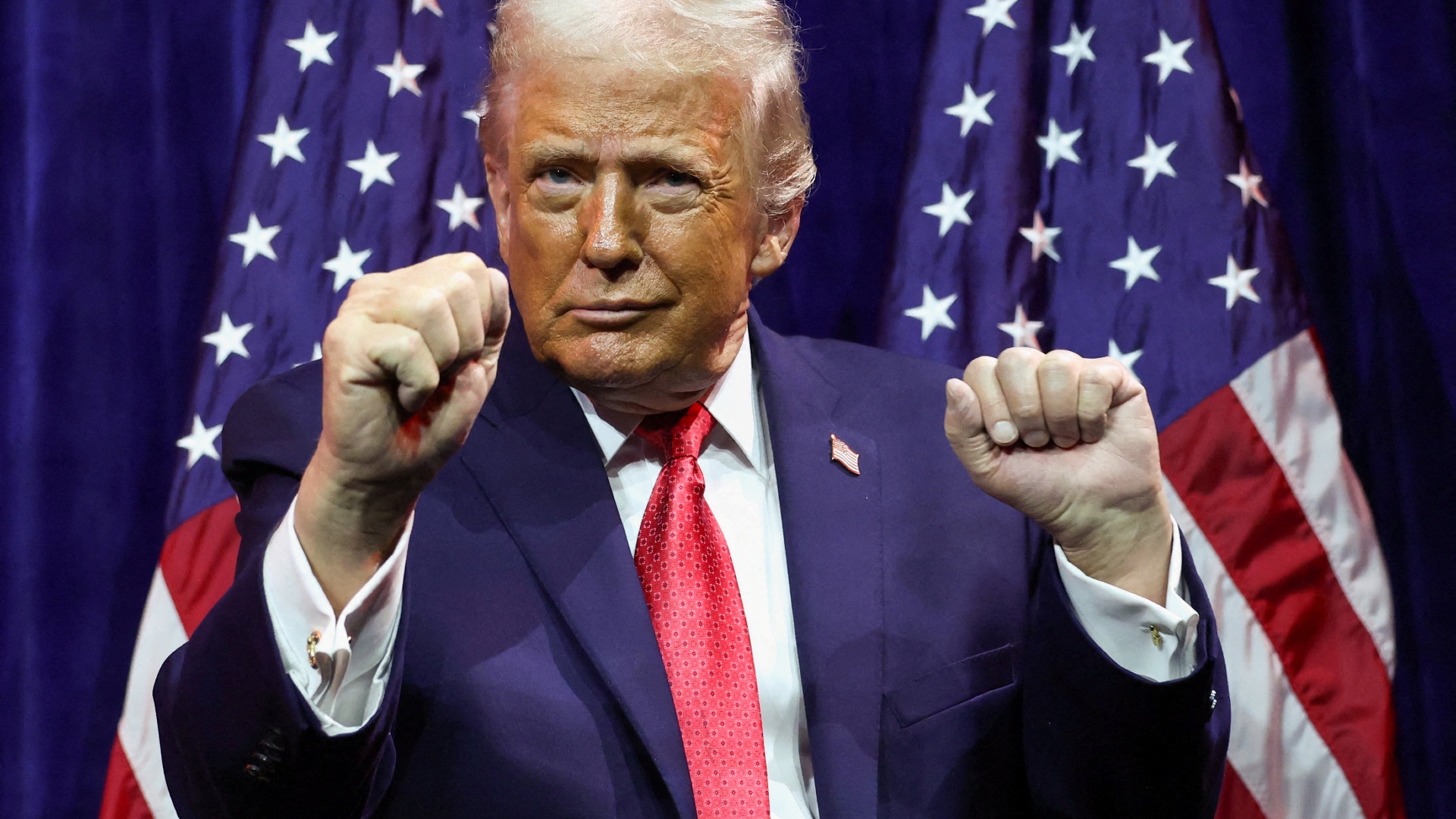
The administration of former US President Donald Trump took a significant step away from global cooperation with the signing of an executive order on Wednesday, initiating the withdrawal of the United States from 66 multilateral organizations. This move, impacting nearly half of the US’s involvement in United Nations initiatives, signals a dramatic shift in American foreign policy and raises questions about the future of international collaboration. The decision affects bodies dealing with critical global issues, from climate change and sustainable development to counterterrorism and human rights, prompting widespread analysis and concern. This article will delve into the details of this withdrawal, its motivations, and potential consequences.
انسحاب الولايات المتحدة من المنظمات متعددة الأطراف: تحول في السياسة الخارجية
The executive order, swiftly followed by statements from US officials, outlined the rationale behind the withdrawals. Secretary of State Marco Rubio articulated the administration’s view that many of these institutions are “redundant in their scope, mismanaged, unnecessary, wasteful, poorly run, captured by the interests of actors advancing their own agendas contrary to our own, or a threat to our nation’s sovereignty, freedoms, and general prosperity.” The core argument centers on the belief that the US is contributing significant “blood, sweat, and treasure” without receiving commensurate benefits, and that these funds would be better utilized domestically. This withdrawal from multilateral organizations represents a clear prioritization of national interests above collective global action, a hallmark of the Trump era’s “America First” policy.
تفاصيل الانسحاب: من المناخ إلى مكافحة الإرهاب
The scope of the withdrawal is surprisingly broad. It unsurprisingly includes organizations focused on issues that directly conflicted with the Trump administration’s policy priorities. Examples include UN Water, UN Oceans, the 24/7 Carbon-Free Energy Compact, and, most notably, the UN Framework Convention on Climate Change. This aligns with Trump’s well-documented skepticism about climate science and his commitment to revitalizing the American fossil fuel industry.
However, the list extends to bodies traditionally supported by both Republican and Democratic administrations, like the UN Register of Conventional Arms, and the Office of the Special Representative of the Secretary-General for Children in Armed Conflict. Even the Global Counterterrorism Forum, a seemingly bipartisan area of concern, is affected, showcasing the extensive reach of the policy. This pattern suggests a deeper skepticism towards the efficacy and overall value of international institutions. The United Nations itself is significantly impacted, with approximately half of the affected organizations operating under its umbrella.
التركيز على العلاقات الثنائية
Experts like Paolo Von Schirach, president of the Global Policy Institute, interpret the move as a deliberate preference for bilateral relations. “The approach of this administration is bilateral relations. You want to talk to us, you come here and talk to me, the president of the United States and/or the administration,” Von Schirach explained to Middle East Eye. He argued that the administration viewed the complexities and perceived inefficiencies of international cooperation as obstacles to achieving direct American objectives. Von Schirach also suggested a degree of doubt regarding the actual impact of many of these organizations, portraying them as often serving as bureaucratic exercises rather than effective agents of change.
سابقة الانسحاب: نظرة على الولاية الرئاسية الأولى والثانية
This isn’t an isolated incident. The Trump administration had previously signaled its dissatisfaction with select UN agencies. During his first term, the US withdrew from UNESCO, the UN’s cultural and education organization. In his second term, withdrawal from the UN Human Rights Council and the cessation of funding to UNRWA, the agency for Palestinian refugees, further cemented this pattern.
These earlier moves were explicitly linked to concerns over bias against Israel and the recognition of a Palestinian state, demonstrating a willingness to leverage its position as a major financial contributor to influence the UN’s agenda. This longstanding issue of foreign aid and its perceived alignment with US interests has consistently fueled debate within the administration.
تداعيات الانسحاب: فراغ في السلطة وتأثير على الجنوب العالمي
The implications of this mass withdrawal are far-reaching. Civil society organizations like Civicus, based in Johannesburg, have strongly condemned the decision, labeling it as detrimental to both American and global interests and warning of stalled progress on crucial issues such as human rights and sustainable development. They urge a defense of multilateralism and global solidarity.
Daniel Forti of The Crisis Group highlighted the surprising abandonment of the Peacebuilding Commission, a key body dedicated to preventing and resolving conflicts. He emphasized that the US held a permanent seat on the commission due to its veto power within the UN Security Council, making financial disengagement less expected.
Beyond the immediate financial impact, the withdrawal raises concerns about a power vacuum and the potential for other nations, particularly China, to step in and fill the void. Forti pointed out that China actively promotes multilateralism and views the UN as a vital platform for global governance, presenting an opportunity to increase its influence. This shift in dynamic could reshape the future of international relations. The symbolic weight of the US abandoning institutions it helped create also sends a damaging message, potentially undermining decades of efforts to foster collective action and international norms. The move is perceived by states in the Global South as far more than a symbolic gesture, potentially leaving them vulnerable.
Ultimately, the Trump administration’s decision to withdraw from 66 multilateral organizations reflects a fundamental shift in its approach to global affairs. While driven by a desire to protect American sovereignty and resources, the long-term consequences of this move remain to be seen and are subject to ongoing debate amongst analysts and policymakers alike. Understanding the rationale, scope, and potential repercussions of this withdrawal is critical to navigating the evolving landscape of international cooperation.