


The United Arab Emirates (UAE) is navigating a complex geopolitical landscape with remarkable agility, successfully balancing its strategic partnerships with both the United States and China. This delicate act, often described as strategic hedging, allows the UAE to secure its interests and assert its influence in regional hotspots like Yemen and Sudan, even when those actions diverge from US policy. Despite growing concerns in Washington about Abu Dhabi’s deepening ties with Beijing, the UAE appears to be facing minimal repercussions, and has even recently secured a significant deal for advanced AI chips.
UAE’s Balancing Act: Hedging Between Washington and Beijing
For years, the UAE has been a key ally of the United States in the Middle East, benefiting from security cooperation and economic ties. However, in recent times, the Emirates have demonstrably broadened their horizons, forging closer relationships with countries traditionally viewed as rivals by Washington, most notably China. This isn’t simply a matter of diversifying partnerships; it involves sensitive projects and, according to US intelligence reports, even the presence of Chinese military personnel on Emirati soil.
Recent revelations by Middle East Eye (MEE) indicated the deployment of members of the People’s Liberation Army (PLA) at a crucial military base in Abu Dhabi. Subsequent scrutiny by US officials, particularly those monitoring activity at Khalifa Port where Chinese state-owned Cosco operates a terminal, has fueled suspicions about the extent of Beijing’s involvement. Despite these concerns, and some initial pushback, the UAE has not fully curtailed its cooperation with China.
“The UAE has taken a few steps back, but not completely written off their cooperation with China. What that tells you is that the Emiratis feel they can withstand any US pressure,” explains Cinzia Bianco, a Gulf expert at the European Council on Foreign Relations. This underlines the UAE’s confidence in its ability to manage the nuances of its relationships with global powers.
The Diminished US Oversight & the G42 Deal
During the Biden administration, there was a noticeable push within certain circles to reassess the US relationship with the UAE due to its increasing independence. A comprehensive review was initiated, spearheaded by Barbara Leaf, the top State Department official for the Middle East. However, the review was ultimately limited in scope, focusing primarily on the UAE’s role in Libya and largely avoiding the more contentious issue of its ties with China.
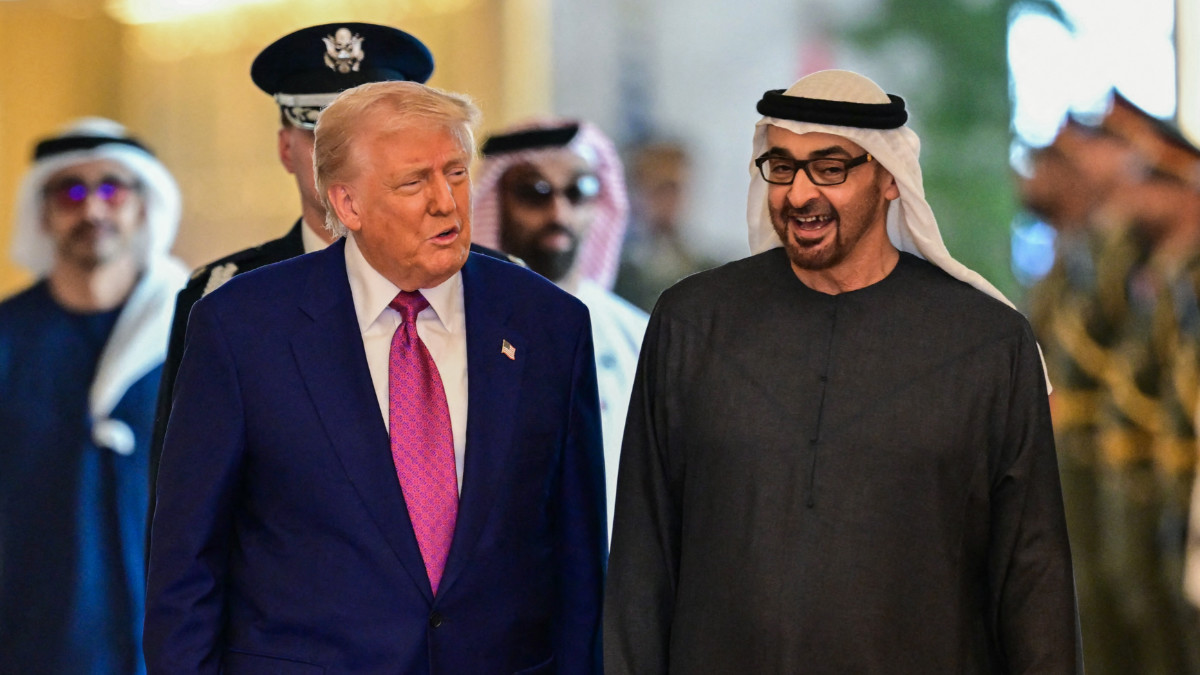
This perceived leniency continued even after President Trump’s return to office. While the UAE received a more abbreviated visit from Trump compared to the elaborate state dinners hosted in Saudi Arabia and Qatar, Abu Dhabi managed to secure a crucial agreement. Last month, Washington granted approval for the UAE’s state-owned AI tech company, G42, to purchase tens of thousands of Nvidia’s advanced AI chips. The parity given to Saudi’s Humain, in this approval, highlighted the strategic importance both countries hold.
Anna Jacobs of the International Crisis Group observed, “The UAE has been able to hedge with China but insulate itself from the pushback in Washington in ways other countries could not imagine.” This suggests a unique dynamic where the UAE leverages its economic and diplomatic weight to minimize the costs of pursuing divergent foreign policy interests.
Contrasting Approaches: UAE Versus its Gulf Neighbors
The dynamic between the UAE and the US stands in stark contrast to the approaches taken by its regional counterparts, Qatar and Saudi Arabia. Both nations have actively sought to strengthen their alliances with Washington, particularly in the wake of regional events.
Qatar, following the Israeli bombardment of Hamas negotiators in Doha, intensified its military cooperation with the US and secured a pledge of defense from President Trump. Similarly, Saudi Arabia gained designation as a major non-Nato ally and secured an arms deal from Washington during Crown Prince Mohammed bin Salman’s recent visit.
This eagerness to align with the US stands apart from the UAE’s strategy. As a western official in the Gulf stated, “The UAE thinks it is above things like major non-Nato ally. It doesn’t sink to that game.” The UAE prefers maintaining strategic autonomy rather than explicitly seeking a closer security embrace with the US.
Asserting Independence on Regional Issues
This independent streak extends beyond technological partnerships. The UAE has also demonstrated a willingness to act unilaterally in regional conflicts. Competing with Saudi Arabia for influence, UAE-backed separatist forces in southern Yemen launched an offensive in Hadramout, a province long considered within Riyadh’s sphere of influence.
Furthermore, the ongoing conflict in Sudan showcases a clear divergence in Gulf Arab state support. While Saudi Arabia, Turkey, and Qatar back the Sudanese Armed Forces, the UAE is allegedly providing support to the Rapid Support Forces (RSF) through supply lines in Libya, Chad, and Somalia – allegations Abu Dhabi denies. Prince Mohammed bin Salman even reportedly planned to lobby against the UAE’s actions during a visit to the White House.
The Power of Diplomacy and Investment
Analysts attribute the UAE’s success in navigating these complex relationships to a combination of shrewd diplomacy and substantial financial resources. For nearly two decades, Ambassador Yousef al-Otaiba has cultivated strong relationships with Washington power brokers, funding think tanks and fostering political ties. This sustained engagement has created a favorable environment for the UAE’s interests.
Additionally, the UAE’s deepening ties with Israel have proven beneficial, endearing it to politicians and officials on both sides of the American political spectrum. One US official noted that, “The UAE does get more leeway than Saudi Arabia and Qatar because it is Israel’s golden boy.”
In conclusion, the UAE has effectively implemented a strategy of strategic hedging, allowing it to benefit from both US and Chinese partnerships while simultaneously asserting its independent foreign policy agenda. This delicate balancing act, facilitated by astute diplomacy and significant financial investment, has enabled the Emirates to navigate regional complexities and secure its interests in a way few other countries can replicate. The question remains whether this calculated approach will continue to shield the UAE from potential US disapproval in the long term, particularly as geopolitical tensions escalate.