


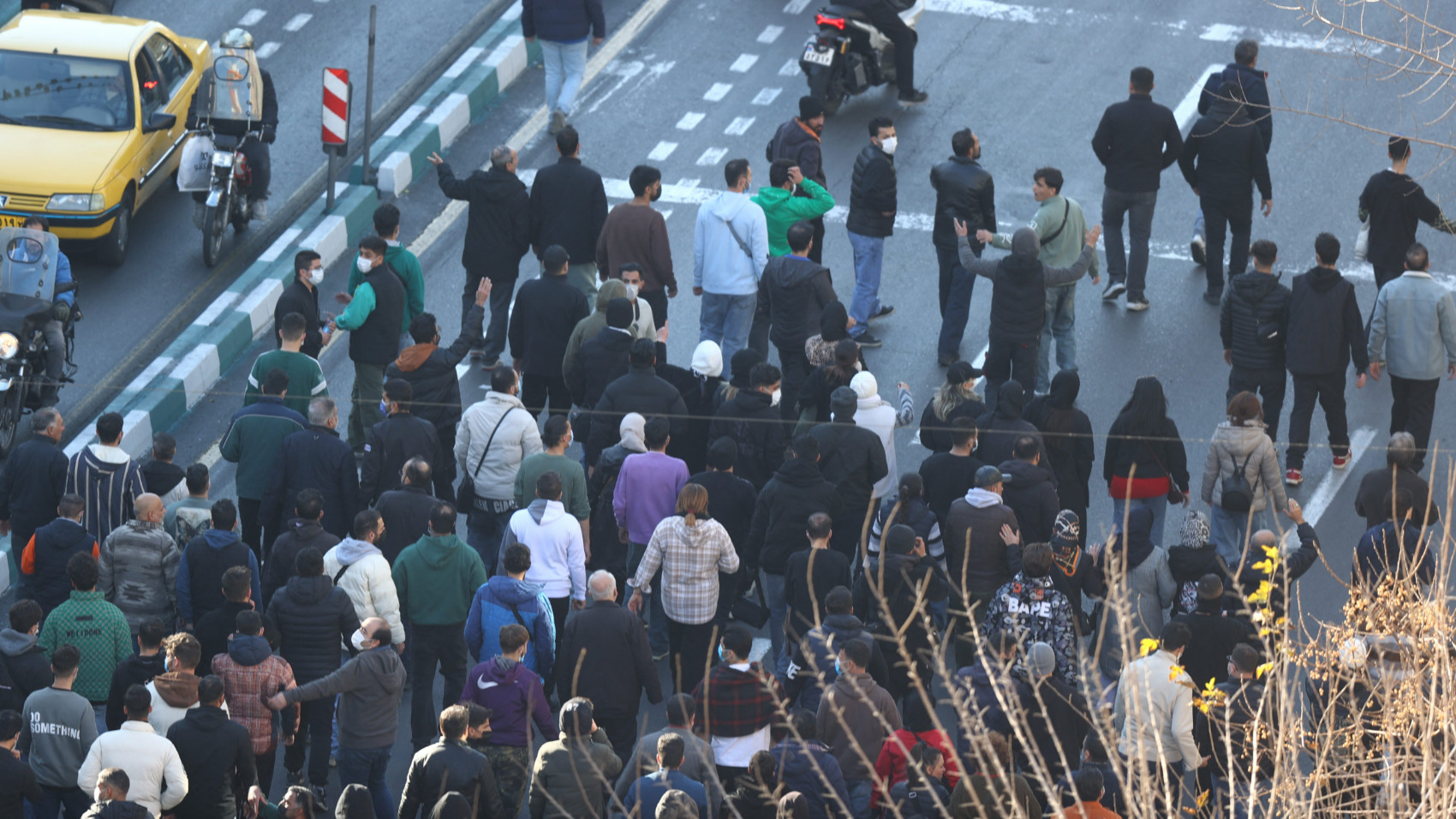
As Iran grapples with a deepening economic crisis, sparking widespread demonstrations across the country, a notable quiet has descended upon the Kurdish regions that were once at the forefront of the 2022 nationwide uprising. This silence isn’t born of apathy, but rather a calculated caution stemming from the brutal repercussions experienced during the previous wave of protests. The situation highlights the complex dynamics within Iran’s protest movements and the specific anxieties felt by its Kurdish population.
The Quiet After the Storm: Kurdish Regions and the Current Protests
Unlike the initial fervor seen in cities like Tehran, the Kurdish towns of Rojhelat (Iranian Kurdistan) – including Saqqez, the birthplace of Mahsa Amini, and Sanandaj, the provincial capital – have largely refrained from large-scale street demonstrations. This is a stark contrast to the outpouring of anger following Amini’s death in September 2022, which ignited the “Woman, Life, Freedom” ( Jin, Jiyan, Azadi ) movement. Many other Kurdish towns share this hesitancy, fearing a repeat of the severe crackdowns that followed the last uprising.
Kaveh Ghoreishi, a Kurdish journalist, explained to Middle East Eye, “So far, we have not seen significant street protests in the northern Rojhelat Kurdish cities, such as Saqqez and Sanandaj… This is due to the bloody crackdowns they suffered during the ‘Jin, Jiyan, Azadi’ protests in 2022.”
Shia Kurdish Areas Bear the Brunt of Repression
While the northern Kurdish cities remain relatively subdued, the situation is dramatically different in Shia Kurdish majority areas of western provinces like Ilam and Kermanshah. These regions have witnessed the most intense and violent clashes with security forces, accompanied by widespread arrests and reports of excessive force.
Hengaw, a Kurdish-Iranian human rights group, has documented the escalating repression. Zhila Mostajer, a board member of Hengaw, noted that following heightened tensions with Israel in June 2025, “many activists were arrested under the pretext of having links to Israel, leaving society with little capacity to endure further sacrifice.” This has created a climate of fear and further discouraged open dissent.
Historical Grievances and a Sense of Distance
The relative restraint from some Kurdish areas isn’t simply a reaction to recent events. Trifa Zarei, from the human rights organisation Hana, points to a deeper issue: a feeling that solidarity from other parts of Iran during the 2022 protests didn’t adequately reflect the sacrifices made by Kurdish communities.
“Many Kurds felt the solidarity from other parts of Iran did not match the cost [they had endured],” Zarei stated. “That experience has deepened long-standing grievances and a sense of historical distance, particularly in places like Sanandaj, Saqqez, Mahabad, Bukan, and Mariwan.” This historical context is crucial to understanding the current dynamic.
Strikes and Calls for a General Strike
Despite the lack of widespread street protests in some areas, Kurdish communities have demonstrated their discontent through solidarity strikes. The recent unrest, initially triggered by rising prices and a plummeting currency on December 28th, quickly spread to 111 cities across 31 provinces.
On January 5th, seven Kurdish political parties, united through the Dialogue Centre for Inter-Party Cooperation in Iranian Kurdistan, issued a call for a general strike. Arash Saleh, the Washington-based representative of the Democratic Party of Iranian Kurdistan (PDK-I), reported that over 57 towns and cities in all four provinces of Iranian Kurdistan observed the strike, injecting “new momentum into protests across the country.”
However, Ghoreishi observed that many towns did not follow up the strike with public gatherings. “This may be due to people’s hesitation to join protests planned in the capital in support of Reza Pahlavi,” he explained, highlighting a potential division in the protest movement.
The Role of National Minorities and the Future of the Uprising
The current wave of protests underscores the vital role of national minorities in challenging the Iranian regime. Saleh emphasized, “National minorities play a central role in mobilisation against the regime, and any attempt – whether by regional powers or foreign-based Persian-language media – to impose a single group as the face of the movement is deeply damaging.”
The provinces of Kermanshah, Ilam, and Lorestan have emerged as “centres of uprising,” according to Hussein Yazdanpana, leader of the Kurdistan Freedom Party (PAK). He attributes this to the fact that these regions, having already expended significant energy during the Jina uprising, bore the brunt of the subsequent repression. “Most families experienced at most one death or one member imprisoned,” Yazdanpana stated.
International Response and Demands for Protection
The escalating violence has prompted calls for international intervention. Yazdanpana referenced a previous pledge from US President Donald Trump to intervene if protesters were killed. He urged the US to act on that promise, specifically to support the people of Kermanshah, Ilam, Hamadan, Luristan, and Bakhtiari regions, and even called for the declaration of “no-fly zones” in these areas.
Rights groups have documented dozens of protester deaths in the past two weeks, with estimates ranging from 25 to 42, including minors. Thousands have been detained. Tragically, four PAK fighters were killed in clashes with security forces in Malekshahi, Ilam province, on January 7th.
A Precarious Situation and Potential for Escalation
The situation remains highly volatile. While some Kurdish areas are currently holding back from large-scale demonstrations due to fear of reprisal, the underlying discontent remains strong. Saleh believes there is “strong potential for the protests to continue and expand, both in Iranian Kurdistan and across the rest of Iran.”
The economic crisis in Iran, coupled with the political grievances of its diverse population, creates a fertile ground for further unrest. The response of the Iranian regime, and the level of international support offered to the protesters, will be crucial in determining the future trajectory of this evolving situation. The quiet in some Kurdish towns may be temporary, a strategic pause before the next surge of resistance.
Keywords: Iranian Protests, Kurdish Protests, Rojhelat, Jin Jiyan Azadi, Iran Economic Crisis, Solidarity Strikes, National Minorities.