


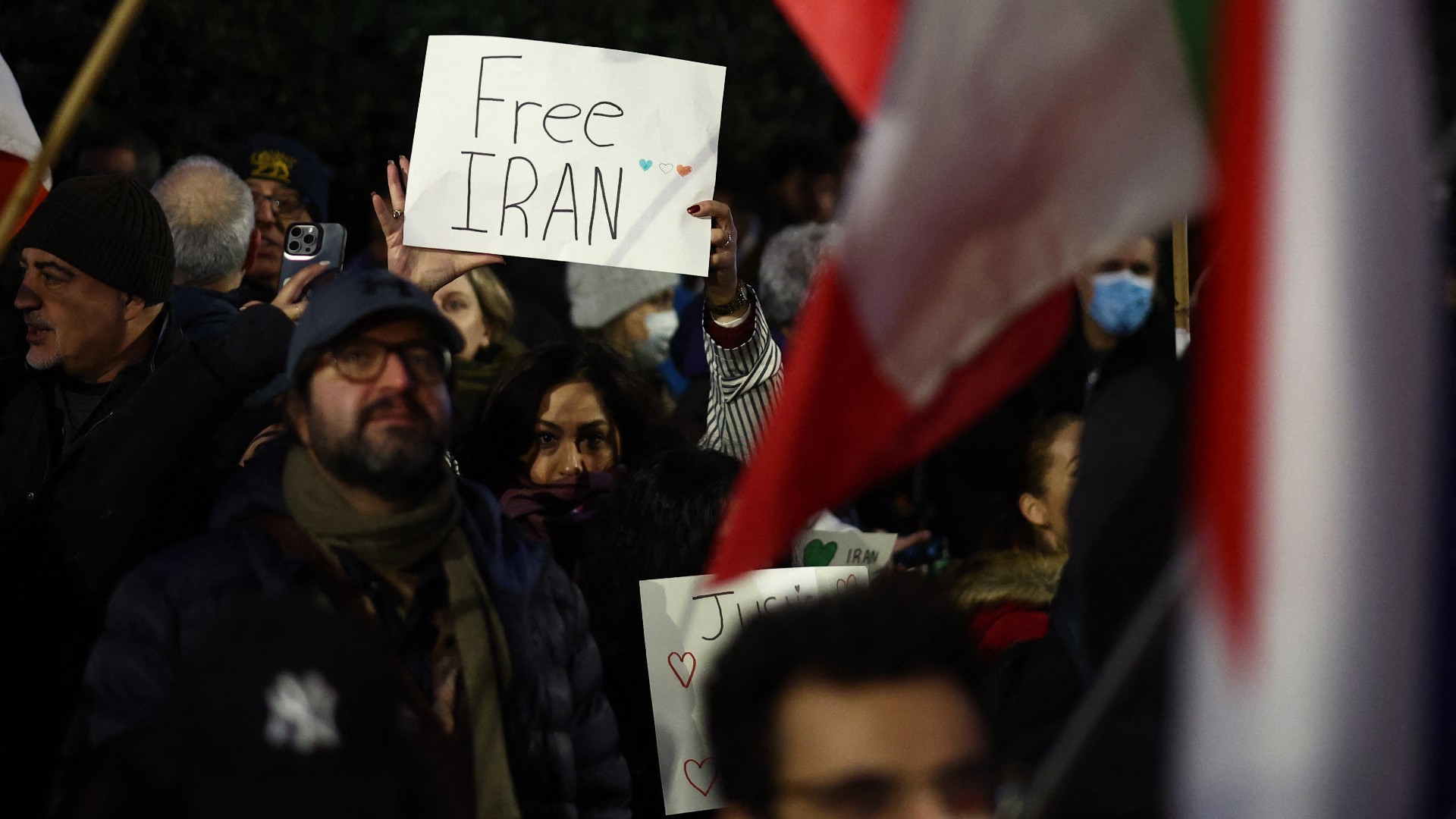
The escalating unrest in Iran continues to grip the nation, with widespread protests in Iran entering their third week despite a tightening grip from security forces and a near-total internet shutdown. The Islamic Revolutionary Guard Corps (IRGC) has issued a stern warning, declaring the safeguarding of national security a “red line,” as clashes between demonstrators and authorities intensify. The situation has become increasingly volatile, prompting international concern and a rare back-and-forth of statements between Iranian and American leaders.
أسباب الاحتجاجات وتطورها (Reasons for and the Evolution of the Protests)
Initially sparked by rising inflation and economic hardship, the protests in Iran quickly morphed into a broader challenge to the legitimacy of the Islamic Republic. The economic pressures facing ordinary Iranians are immense, with the currency plummeting and essential goods becoming increasingly unaffordable. Interviewees in Middle East Eye expressed desperation, describing a situation where daily life is becoming unsustainable. Mani, a 27-year-old from Mashhad, poignantly asked, “How can prices rise this much?” reflecting a common sentiment that the government is failing to address fundamental economic issues.
However, the frustration soon extended beyond economics. Protesters are voicing political grievances, with some explicitly calling for the end of the ruling clerical system. This shift has been fueled, in part, by a lack of political representation and a perceived disconnect between the ruling elite and the struggles of the population. The protests also echo broader regional movements, drawing comparisons to the “Woman Life Freedom” demonstrations that swept across Iran in 2022.
رد فعل الحرس الثوري والجيش (IRGC and Army Response)
The IRGC, Iran’s elite military force answerable directly to Supreme Leader Ayatollah Ali Khamenei, has vowed to crush the demonstrations and protect the achievements of the 1979 Islamic Revolution. They accuse “terrorists” of deliberately targeting security forces and infrastructure. This rhetoric is echoing throughout official statements.
Specifically, the IRGC reported clashes in Gachsaran, in southwestern Iran, resulting in the deaths of three Basij security force members and injuries to five others. Reports of a security officer stabbed to death in Hamedan have further escalated tensions. The government alleges that protesters have been setting buildings, including a municipal building in Karaj, ablaze.
Adding to the show of force, the Iranian army, also under Khamenei’s command, declared its commitment to protecting “national interests, strategic infrastructure and public property.” This dual deployment of both the IRGC and the army signals the regime’s determination to quell the unrest at all costs.
تصاعد العنف وخسائر فادحة (Escalating Violence and Heavy Losses)
The crackdown on protests in Iran has been brutal and widespread. Hospitals in Tehran alone have reportedly recorded over 217 protester deaths, “most by live ammunition,” according to doctors. The sheer volume of casualties has overwhelmed the medical system.
The toll extends beyond Tehran. Reports indicate fatalities in several cities, including Hamedan, Qom, and Shiraz, where funerals for fallen security personnel have been prominently broadcasted on state television. The HRANA rights organization has documented at least 65 deaths as of Friday, including 50 protesters and 15 security personnel. The death of Nourali Shoushtari, son of a senior officer, in Mashhad, and two security personnel in Shushtar, are symbolic losses highlighting the increasing intensity of the conflict.
Iranians are struggling to access information as authorities have implemented a widespread internet blackout lasting over 36 hours, according to Netblocks. This information control has been condemned by Iranian filmmakers Mohammad Rasoulof and Jafar Panahi, who stated that such measures are intended to “conceal the violence inflicted during the suppression of protests.”
ردود الفعل الدولية (International Reactions)
The international community is watching the situation in Iran with growing alarm. German, French, and British leaders issued a joint statement condemning the killing of protesters and urging restraint from Iranian authorities.
The United States has been particularly vocal. US Secretary of State Marco Rubio declared Washington’s support for the “brave people of Iran.” More controversially, former President Donald Trump issued a veiled threat, stating, “You better not start shooting, because we’ll start shooting too.” His remarks were accompanied by expressions of hope for the safety of the protesters.
These statements highlight the geopolitical significance of the Iran protests and the potential for further escalation. The perceived foreign interference, constantly leveled by the Iranian government, serves to further harden its stance against the demonstrators. The issue of foreign influence is becoming a key focus point in the government’s narrative, accusing protestors of being “mercenaries for foreigners” as stated by Ayatollah Khamenei.
السيناريوهات المحتملة والمخاوف المستقبلية (Possible Scenarios and Future Concerns)
The future trajectory of the protests in Iran remains uncertain. The government’s unwavering commitment to suppressing the demonstrations, coupled with its control over the security apparatus and media, poses a significant challenge to the protesters. However, the depth of public discontent suggests that the unrest could persist, potentially evolving into a more prolonged and widespread crisis.
The internet shutdown is a particularly worrying sign, suggesting a desire to isolate Iran from the outside world and stifle dissenting voices. The lack of accurate information makes it difficult to assess the true scale of the violence and the extent of the protests.
As the situation unfolds, it’s critical to monitor the dynamics on the ground, the government’s response, and the role of international actors. The ongoing unrest has the potential to destabilize the region and reshape the political landscape of Iran. Continued monitoring of the situation is essential for understanding the evolving crisis and its potential consequences.