


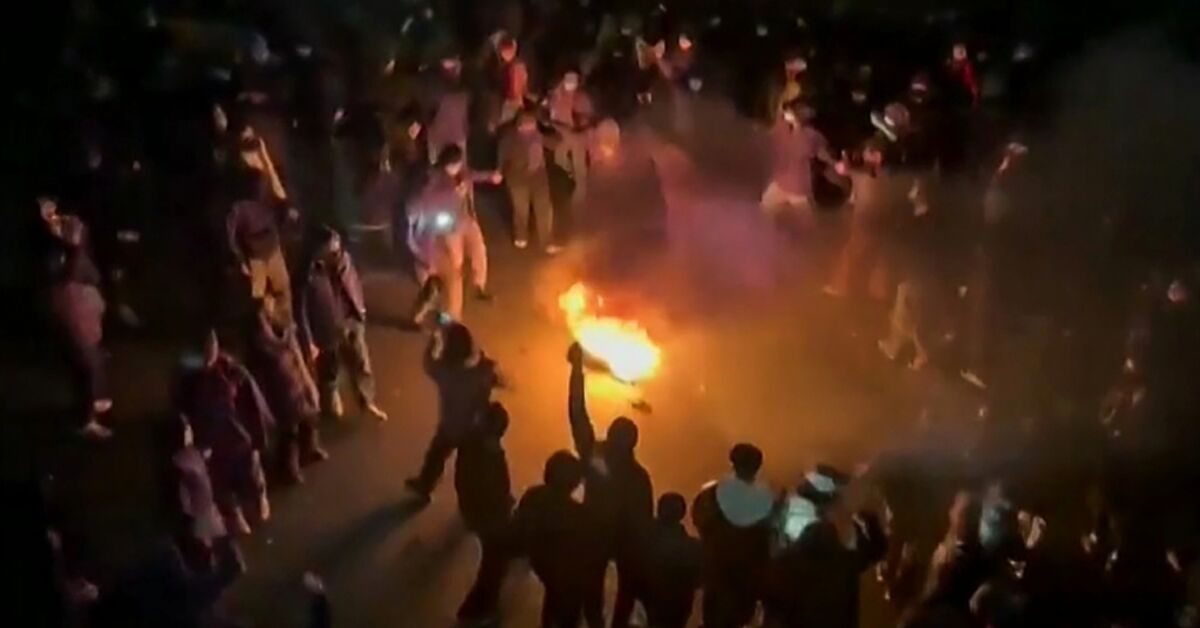
The recent wave of protests in Iran has been met with a brutal crackdown, leaving a trail of suffering and fear across the nation. Reports emerging from the country, despite severe internet restrictions, paint a harrowing picture of violence against demonstrators, with allegations of excessive force and arbitrary arrests. The situation is deeply concerning, and the testimonies of those who have fled, like the engineer “Farhad” who spoke to AFP in Istanbul, are crucial to understanding the true extent of the crisis. This article will delve into the details of the Iranian protests crackdown, the experiences of those involved, and the growing international concern.
The Spark and Escalation of Protests
The unrest initially began in late 2022, fueled by widespread economic hardship and public discontent. Years of sanctions, coupled with alleged mismanagement, have led to soaring inflation, unemployment, and a decline in living standards for many Iranians. What started as localized demonstrations quickly spread across the country, evolving into broader calls for political and social change.
These protests represent the largest anti-government movement since the 1979 Islamic Revolution. Initially, security forces maintained a distance, seemingly overwhelmed by the sheer number of participants. However, this approach quickly shifted.
A Brutal Response: Violence and Intimidation
According to eyewitness accounts, the response from Iranian security forces became increasingly violent as the protests gained momentum. Farhad, a 45-year-old engineer from a city near Tehran, described a terrifying scene where security personnel opened fire on young protesters.
“We saw about 20 military people jumping from cars and start shooting at young people about 100 metres away. I saw people running but they were shooting at their backs,” he recounted to AFP. He witnessed a doctor being struck in the face with shotgun pellets, and fears for his friend’s wellbeing. He also reported seeing individuals dying in their cars, victims of indiscriminate gunfire.
These accounts are corroborated by reports from international human rights organizations. Both Amnesty International and Human Rights Watch have accused the security forces of deliberately targeting protesters with rifles and shotguns loaded with metal pellets, aiming for heads and torsos – a tactic designed to inflict maximum harm.
The Fear of Seeking Medical Attention
The atmosphere of fear extends even to those seeking medical care. Farhad explained that many injured protesters are afraid to go to hospitals, fearing detention and interrogation. “People can’t go to the hospital because the authorities and the police are there. Anyone with injuries from bullets or shotgun (pellets) they detain and interrogate,” he stated. This has led to a network of doctors providing clandestine medical assistance in people’s homes, risking their own safety to help those injured in the protests. Farhad himself was beaten by security forces but avoided hospital treatment due to the danger.
The Scale of the Crackdown: Rising Death Toll
Determining the exact number of casualties remains a significant challenge due to the ongoing internet blackout and restrictions on information flow. However, the figures emerging are deeply alarming. Iran Human Rights, a Norway-based NGO, has verified the deaths of at least 3,428 protesters killed by security forces.
They caution that the actual number could be significantly higher, estimating a range between 5,000 and 20,000. This potential scale of violence underscores the severity of the Iranian government’s response to the demonstrations. The lack of transparency from Iranian authorities further fuels concerns about a deliberate attempt to conceal the true extent of the bloodshed.
Community Solidarity and Resistance
Despite the risks, the spirit of resistance remains strong. Farhad described how ordinary citizens have opened their homes to provide shelter and first aid to protesters. His sister and her friend, for example, sheltered around 50 young people, offering them food and a safe haven.
He also noted the participation of a diverse range of people in the protests, including many young women and even children as young as six or seven, chanting slogans against the Supreme Leader, Ayatollah Ali Khamenei. This widespread involvement demonstrates the depth of discontent within Iranian society.
Ongoing Repression and Future Prospects
The security forces are reportedly conducting random checks, scrutinizing phones for protest-related content and even physically examining individuals for signs of injuries. This level of surveillance and intimidation is designed to suppress dissent and discourage further demonstrations. The fear of repercussions is palpable, yet Farhad insists that people are “absolutely not afraid” and remain determined to continue protesting.
He also expressed a belief that external intervention, specifically from the United States, is imminent. While the veracity of this claim remains to be seen, it highlights the desperation and hope for change among some Iranians. The future of the Iran unrest is uncertain, but the courage and resilience of the protesters, coupled with growing international pressure, suggest that the struggle for a more just and equitable Iran is far from over. The situation demands continued scrutiny and a concerted effort to hold those responsible for the violence accountable.
This article aims to provide a comprehensive overview of the situation, drawing on eyewitness testimony and reports from reputable organizations. It is crucial to stay informed and advocate for the protection of human rights in Iran. Further research into the human rights situation in Iran and the ongoing protests is highly recommended.