


The recent events surrounding the alleged US raid on Caracas and the abduction of Venezuelan President Nicolás Maduro represent a flagrant violation of international law, sparking condemnation across the globe. This act, occurring against a backdrop of ongoing international crises like the conflicts in Gaza and Sudan, has exposed deep fissures in the global order and brought into sharp focus the question of accountability for powerful nations. The question on many minds is: who will dare challenge such blatant overreach? While the West largely remains silent, a surprising chorus of disapproval has emerged from several African nations, highlighting a potential shift in the dynamics of global power and the eroding authority of traditional international actors.
إدانة التدخل في فنزويلا: صدى مع الغزو في غزة والسودان (Condemnation of Intervention in Venezuela: Echoes of Gaza and Sudan)
The developments in Venezuela, described as a military strike leading to civilian deaths and the capture of President Maduro, have been met with widespread outrage. The timing of this incident, coinciding with severe accusations of genocide in both Gaza and Sudan, has only amplified the sense of injustice and the potential for further global instability. Many feel powerless to prevent another escalation, prompting a response from those who see parallels between these events and historical patterns of intervention. The core issue, repeatedly voiced by critics, is the illegal intervention in a sovereign state.
ردود فعل قوية من أفريقيا: تحدي السائد (Strong Reactions from Africa: Challenging the Prevailing Narrative)
While expected condemnation would likely come from nations sharing similar geopolitical alignments, the strength of the rebuke from several African states is particularly noteworthy. Colombia, Brazil, Chile, Mexico, and Uruguay, along with Spain, issued a joint statement, but it was the independent voices from the African continent that resonated powerfully.
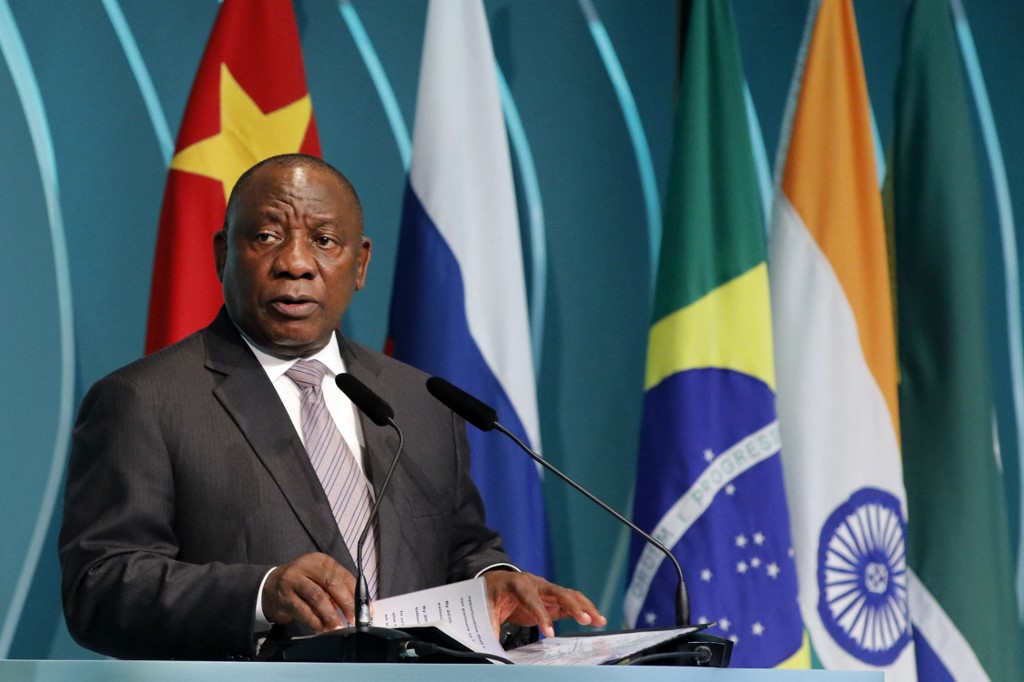
South Africa’s government unequivocally stated on January 5th that “military invasions against sovereign states only produce instability and exacerbate crises,” directly labeling the action “illegal and unilateral” and detrimental to the international order. Namibia went even further, expressing “great shock” at the alleged capture of Maduro and his wife, unequivocally calling it “a violation of Venezuela’s sovereignty and international law.” They reaffirmed their solidarity with Venezuela, linking it to a shared anti-colonial history and a commitment to self-determination. Burkina Faso, Chad, and Ghana followed suit with equally strong statements.
Even the African Union, often criticized for its slow response to crises, expressed “grave concern” regarding the developments in Venezuela, specifically mentioning the reported abduction of President Maduro and attacks on Venezuelan institutions. This collective condemnation reveals a growing African resolve to assert its position on the global stage.
صمت الغرب وتعارضه: معايير مزدوجة أم تردد؟ (Western Silence and Its Contrast: Double Standards or Hesitation?)
The stark contrast between the African responses and those of Western governments is striking. British Prime Minister Keir Starmer cautiously stated a need to discuss the situation with US President Donald Trump before forming a judgment. Germany’s foreign ministry merely called for “all parties to avoid an escalation,” seemingly ignoring the clear aggressor in this scenario. The rest of the West echoed this tepid response, demonstrating a noticeable lack of willingness to condemn the alleged actions.
Interestingly, Hungary and Israel were outliers, appearing to celebrate Maduro’s abduction – a stance that further isolates them from broader international opinion. This inaction from influential Western nations, coupled with support from a few, underscores the existing power dynamics and the challenges to holding powerful states accountable for actions perceived as international law violations.
أهمية الإدانة: رفض الامتثال في عالم غير متكافئ (The Importance of Condemnation: Refusing Compliance in an Unequal World)
While these condemnations might not immediately alter the situation in Venezuela, or dramatically shift the balance of global power, their significance lies elsewhere. They represent a symbolic rejection of a precedent that could normalize such interventions in the future. Some argue it signals the erosion of Western authority and a rising concern that these actions could become commonplace. Speculation is already rife regarding potential future targets, including Iran and even Greenland.
For African nations, the act of condemnation is itself a political statement. Facing their own challenges of donor pressure, aid conditionality, and diplomatic bullying, speaking out against the US—especially under a potentially confrontational administration—carries substantial economic and political risks. South Africa, for example, has already faced accusations of bias towards Hamas and subsequent economic retaliations, including tariffs and exclusion from the G20 summit due to its ICJ case against Israel. The US has also expanded travel bans to include nations like Mali and Burkina Faso and sanctioned UN experts critical of its policies, like Francesca Albanese.
This history of punitive measures explains why the courage to condemn isn’t born of naiveté. The world is replete with examples of Western double standards and hypocrisy, from Vietnam to Iraq, Libya, and Gaza. African nations are acutely aware. They understand that the US empire has a demonstrated capacity for escalating such punishments – through sanctions, assassinations, or even attempts to destabilize governments.
صلة الأحداث: غزة وفنزويلا ورفض القبول (Connection of Events: Gaza, Venezuela, and Refusal to Accept)
The willingness of several African countries to speak out against the situation in Venezuela is not coincidental. These are largely the same states that demonstrated clarity in condemning Israel’s devastation in Gaza, with some even supporting South Africa’s case at the International Court of Justice.
Chad recalled its ambassador from Israel, while Namibia issued strong condemnations of their actions. Venezuela, though not part of the Hague Group, voiced support for South Africa’s ICJ case and actively participated in gatherings aimed at consolidating measures against Israel. President Maduro even proposed a Global Summit for Peace advocating for Palestinian rights and nuclear disarmament in the region.
These responses highlight a shrinking pool of nations willing to challenge the dominant Western narrative regarding legality and intervention. They are among the few countries actively attempting to puncture the claim that US government actions are justified in the name of security or the well-being of the affected population.
This daring dissent—this refusal to provide consent—may be the only remaining leverage in a world characterized by vast power imbalances. The alleged raid on Caracas sets a dangerous precedent; the African nations who raised their voices against this illegal intervention are sending a clear message: some lines will not be crossed, even in the face of immense pressure.
Views expressed in this article are the author’s own and do not necessarily reflect the editorial policy of Middle East Eye.