


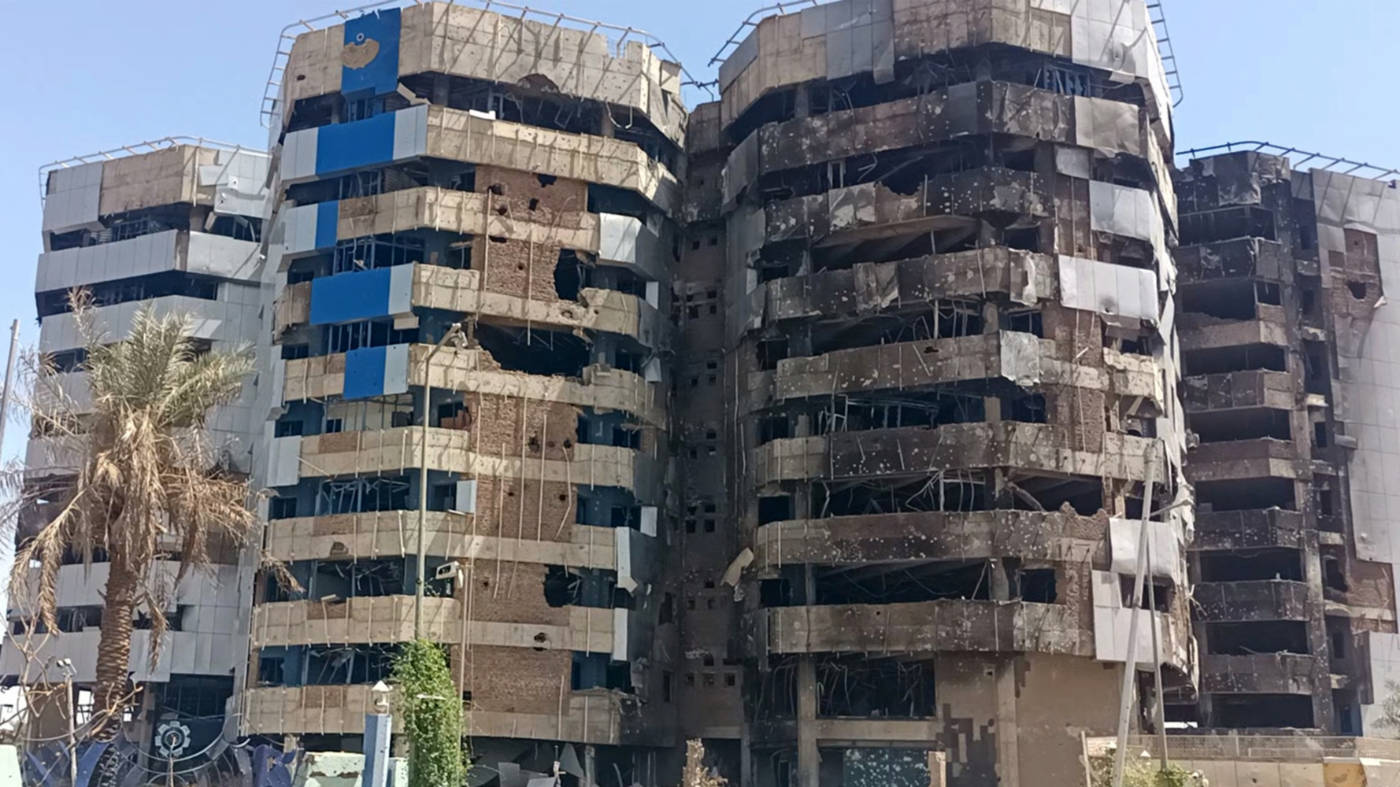
The ongoing conflict in Sudan has spiraled into a humanitarian catastrophe, claiming thousands of lives and forcing nearly 13 million people from their homes since it erupted in April 2023. This brutal civil war, rooted in a power struggle between the Sudanese Armed Forces (SAF) and the paramilitary Rapid Support Forces (RSF), continues to destabilize the nation and generate widespread suffering. The situation is compounded by the involvement of regional actors and the complex web of alliances within Sudan itself.
Sudan’s Civil War: A Nation Torn Apart
The current fighting is a tragic consequence of fractured ambitions following the 2019 revolution that ousted long-time dictator Omar al-Bashir. Both the SAF and the RSF initially worked together to remove Bashir, ending his three decades of rule. However, this fragile alliance soon dissolved, culminating in the violent clashes that began last year. The conflict isn’t simply a two-sided battle; each force commands allegiance from various smaller armed groups, contributing to localized control and escalating the complexity of resolutions. The scale of the displacement – almost a quarter of Sudan’s population – is creating a massive refugee crisis impacting neighboring countries.
The Commanders: Al-Burhan and Hemedti
Understanding the key players is crucial to comprehending the dynamics of the Sudan civil war. At the heart of the conflict are two powerful generals: Abdel Fattah al-Burhan, head of the SAF and the internationally recognized head of state, and Mohamed Hamdan “Hemedti” Dagalo, leader of the RSF.
Abdel Fattah al-Burhan: From Bashir’s Ally to Sudan’s Leader
Al-Burhan rose to prominence after Bashir’s removal, becoming the leader of the military-civilian transitional government. Despite past ties to the former regime, he initially presented himself as a champion of change, albeit one determined to maintain the military’s significant influence. He actively fostered relationships with neighboring Egypt and Saudi Arabia, continuing their military cooperation, notably through the Yemen conflict. His initial embrace of the Abraham Accords further indicated a willingness to engage with international powers, although its implementation has stalled due to Sudan’s internal instability.
However, in October 2021, Burhan orchestrated a military coup with Hemedti, dismantling the civilian component of the government and triggering widespread protests. Since the outbreak of the current conflict, he has faced accusations of atrocities and has resisted US-led truce proposals, characterizing them as inadequate.
Mohamed Hamdan “Hemedti” Dagalo: The Rise of the RSF
Hemedti’s path to power is intimately linked to the brutal conflict in Darfur during the early 2000s. He emerged as a leader of the Janjaweed militias, accused of widespread war crimes and even genocide against non-Arab populations. These militias were instrumental in suppressing rebellions in Darfur, resulting in mass displacement and death. Later, Bashir formalized the Janjaweed into the RSF, with Hemedti as its commander, allowing him to amass significant wealth and influence through gold mining and business ventures – his net worth is estimated at $7 billion.
Hemedti’s ambition and independent actions, even during his period of power-sharing with Burhan, foreshadowed the inevitable split. He currently controls a large swathe of Sudanese territory and is accused of numerous atrocities during the ongoing fighting, including torture, rape, and summary executions. The RSF’s actions are a major driver behind the escalating humanitarian crisis.
Regional Involvement and Allegations of War Crimes
The Sudan conflict is not solely an internal affair. External actors, particularly the United Arab Emirates (UAE), are deeply entangled in the crisis. The UAE is widely believed to be the primary supplier of arms to the RSF, a claim the Sudanese government and human rights observers have labeled as complicity in potential war crimes and even genocide. Though the UAE denies the accusations, evidence continues to mount linking them to the RSF’s military capabilities.
Shifting Alliances and Emerging Players
Beyond the core conflict, a complex network of alliances shapes the battlefield. Minni Minnawi, the governor of Darfur and former rebel leader, has become a key ally of al-Burhan, leading the Joint Forces of Armed Struggle Movements (JFASM) against the RSF. Meanwhile, Abdelaziz al-Hilu, leader of a faction within the Sudan People’s Liberation Army-North (SPLM-N), has aligned with Hemedti, becoming vice chairman of a parallel government declared by the RSF.
The Role of Civilian Leaders and the Future of Sudan
Though sidelined by the military, civilian leaders continue to play a role. Abdalla Hamdok, the former Prime Minister, founded the Taqadum coalition in an attempt to present a civilian-led alternative. However, internal divisions led to its dissolution, and he now leads a faction called Somoud. These attempts at a unified civilian front are key to long-term stability, but their effectiveness is hampered by the deep mistrust and alleged close ties to outside powers.
The future of Sudan hangs in the balance. Addressing the root causes of the conflict – power sharing, resource distribution, and accountability for past atrocities – is essential. Without a concerted effort to achieve a genuine and inclusive peace, and without addressing the role of external actors fueling the violence, Sudan risks further fragmentation and a continuous cycle of conflict. The plight of the 13 million displaced is a stark reminder of the urgent need for resolution and humanitarian assistance.