


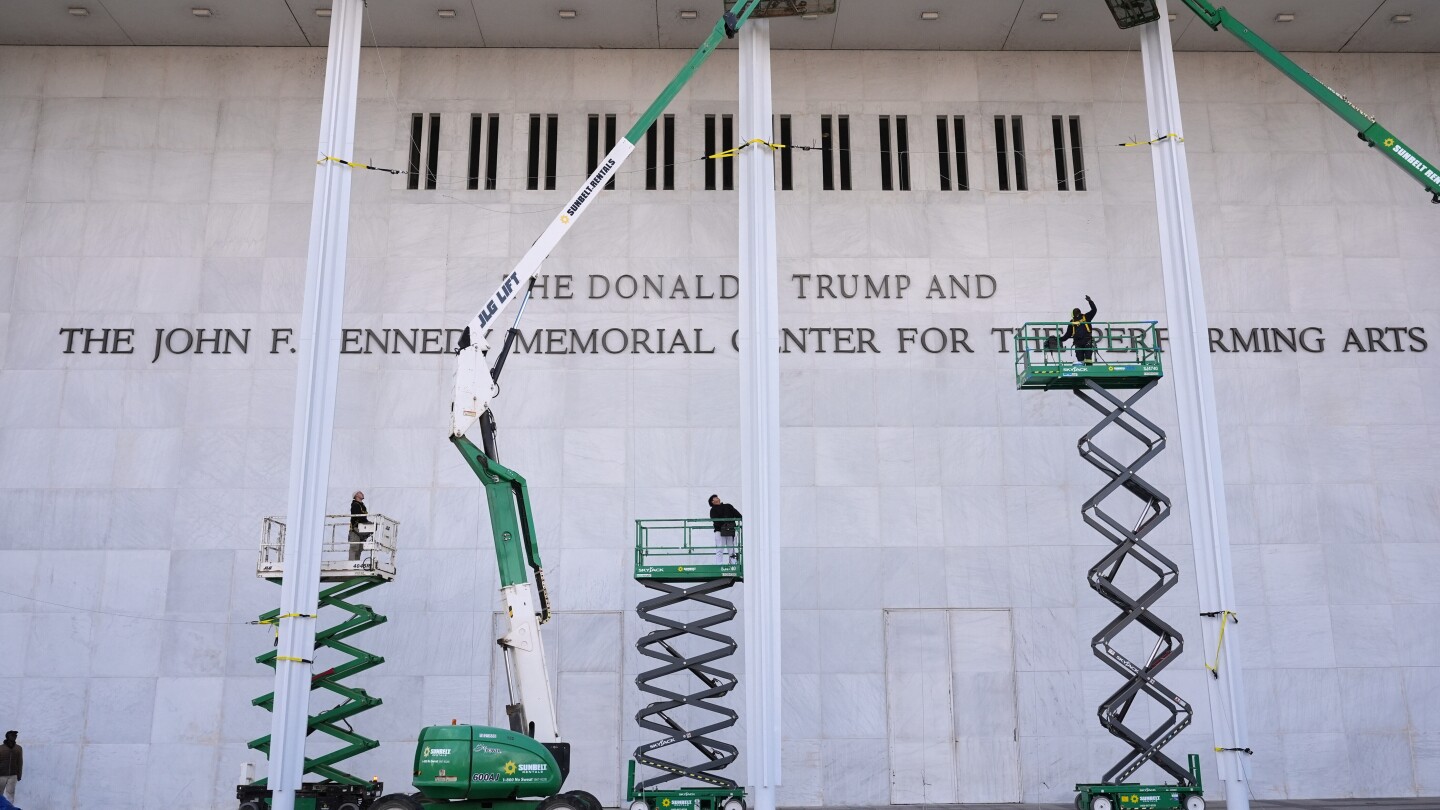
The recent decision by several artists to cancel performances at the Kennedy Center has ignited a debate about the intersection of art and politics. These cancellations, stemming from the renaming of the center after former President Donald Trump, represent a growing wave of protest and raise questions about the future of artistic expression in a politically charged environment. The situation has escalated, with the center’s president accusing performers of prioritizing political statements over their craft.
## جولة جديدة من الإلغاءات في مركز كينيدي بسبب اسم ترامب (A New Wave of Cancellations at the Kennedy Center Due to Trump’s Name)
A fresh round of artist cancellations has rocked the Kennedy Center, mirroring a previous backlash following the renaming of the iconic venue. The latest wave began with the jazz ensemble The Cookers, followed by the New York-based dance group, Deca Dance Collective, both citing discomfort performing at a center now associated with Donald Trump. This comes on the heels of musician Chuck Redd’s cancellation of a Christmas Eve performance last week, further highlighting the ongoing tension.
The Cookers announced their withdrawal from “A Jazz New Year’s Eve” performance, expressing regret for any inconvenience caused to those who had planned to attend. Deca Dance Collective, in an Instagram post, stated they “can no longer in good conscience ask our audiences to enter a venue that was once great.” The underlying sentiment is a refusal to be associated with a space perceived as representing values contrary to their own.
## تصاعد التوتر بعد تعيين ترامب لرئاسة المؤسسة (Escalating Tensions After Trump’s Appointment as Chairman)
These recent actions aren’t isolated incidents. They represent the culmination of a year marked by discord since Trump ousted the Kennedy Center’s board and appointed himself as its chairman. This move initially triggered a similar wave of artist opposition, with singer-songwriter Issa Rae and the producers of “Hamilton” also cancelling planned engagements. Furthermore, prominent musicians Ben Folds and Renée Fleming stepped down from advisory roles.
The situation is particularly sensitive given the Kennedy Center’s history. Established as a living memorial to President John F. Kennedy following his assassination in 1963, a Congressional act prohibits renaming the center after anyone else. Any changes to the name would require Congressional approval, a point emphasized by scholars observing the unfolding events.
## ردود فعل الفنانين: تعبير عن القيم والمبادئ (Artists’ Reactions: Expression of Values and Principles)
While The Cookers didn’t directly mention the renaming or Trump’s administration, a member of the band, saxophonist Billy Harper, voiced his strong opposition. In comments published on the Jazz Stage Facebook page, Harper declared he would “never consider performing in a venue that bears a name (and is under the control of a board) that represents blatant racism and the deliberate destruction of American African music and culture.” He underscored that this music is the life’s work he has dedicated himself to creating and developing.
This sentiment reflects a broader concern among artists about the potential for the Kennedy Center to become a platform for divisive ideologies. The issue isn’t simply about a name; it’s about the values that name represents and whether the venue can continue to foster an inclusive and welcoming environment for all artists and audiences. The debate touches upon the role of art as a form of social commentary and the responsibility of artists to stand up for their beliefs.
## اتهامات سياسية وردود من الإدارة الجديدة (Political Accusations and Responses from the New Administration)
Richard Grenell, a Trump ally appointed by the former president to chair the Kennedy Center, responded to the cancellations on X (formerly Twitter). He claimed the artists were originally booked by the “previous far-left leadership,” implying their decisions were politically motivated. In a subsequent statement to the Associated Press, Grenell asserted that the last-minute cancellations proved the artists were “always unwilling to perform for everyone – even those who disagree with them politically.” He further stated the center is “flooded with inquiries from real artists who want to perform for everyone and who reject political statements in their art.”
Grenell even suggested pursuing legal action, stating he would seek $1 million in damages from Redd following his cancellation, labeling it a “political stunt.” However, there has been no immediate confirmation from the Kennedy Center regarding any potential legal proceedings against the artists. This aggressive response has only fueled the controversy and further alienated some members of the artistic community. The situation highlights the increasing polarization of cultural institutions and the challenges of navigating political sensitivities in the arts. The decline in ticket sales and a 35% drop in viewership for a recent Kennedy Center broadcast, which Trump had predicted would be high, add further pressure to the situation.
## مستقبل مركز كينيدي: التوازن بين الفن والسياسة (The Future of the Kennedy Center: Balancing Art and Politics)
The ongoing dispute raises critical questions about the future of the Kennedy Center. Randy Barrett, a bluegrass banjo player scheduled to perform at the center next month, expressed his frustration with the politicization of the venue. While he respects the artists who have chosen to cancel, he believes “our tribal country needs more music and art, not less.” He views the Kennedy Center as a place for unity and connection, and fears that the current climate will hinder its ability to fulfill that role.
Ultimately, the Kennedy Center faces the challenge of reconciling its commitment to artistic excellence with the political realities of its leadership. Finding a way to foster an inclusive environment that respects diverse viewpoints will be crucial to restoring its reputation and ensuring its continued success as a leading cultural institution. The debate surrounding the center’s name and direction is far from over, and its resolution will likely have significant implications for the broader arts community.