


The escalating conflict in the Democratic Republic of Congo (DRC) has once again brought the spotlight on regional tensions and the fragile peace agreements brokered with international assistance. Recent accusations leveled against Rwanda by the United States, alleging violations of a peace deal aimed at de-escalating violence in the eastern DRC, highlight the precarious situation and the potential for a wider regional crisis. This article delves into the details of these accusations, the resurgence of the M23 rebel group, and the implications for stability in the Great Lakes region. The core issue revolves around the continued support for armed groups, threatening the hard-won, though currently faltering, اتفاق السلام (peace agreement).
اتهامات الولايات المتحدة لرواندا بانتهاك اتفاق السلام (US Accusations Against Rwanda of Violating the Peace Agreement)
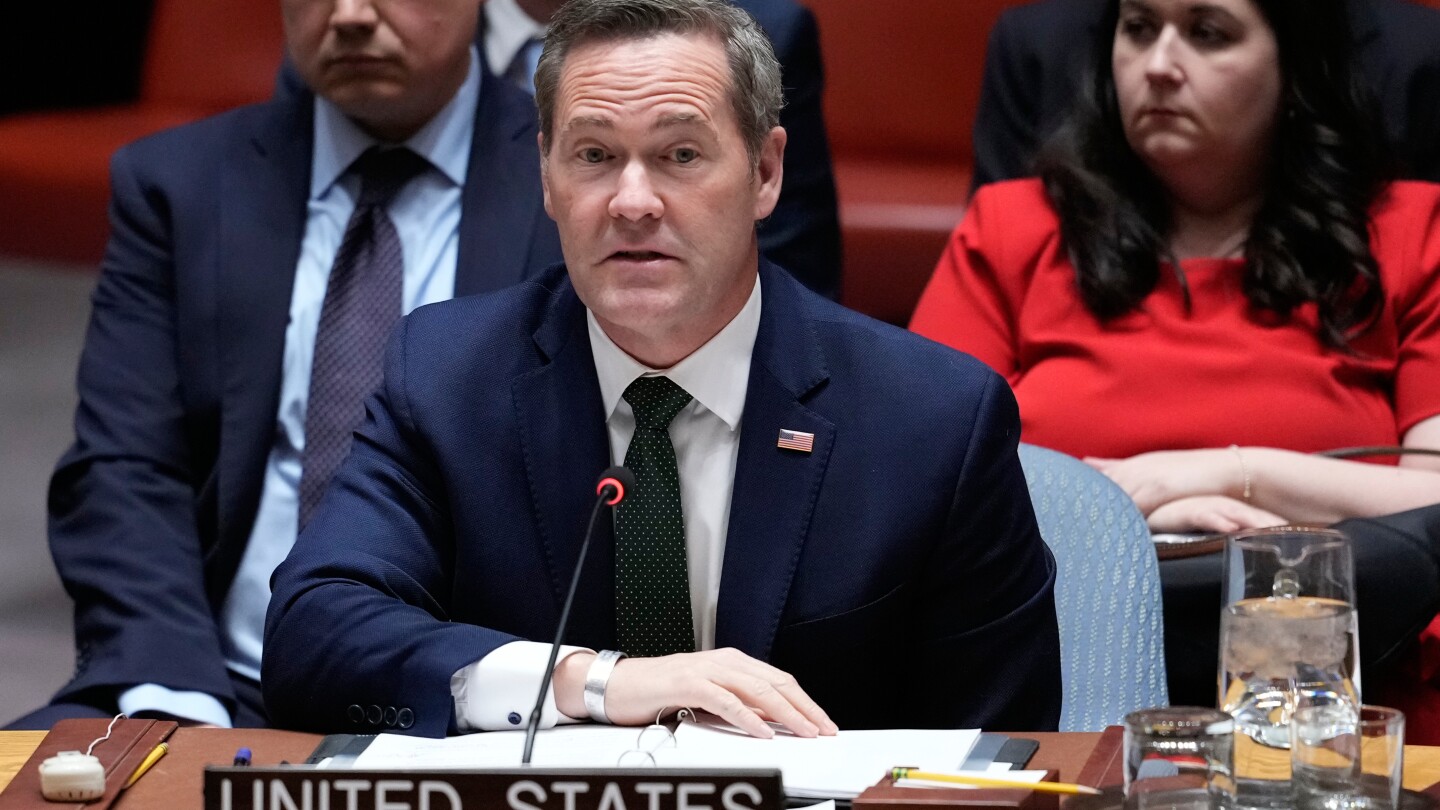
The United States Ambassador to the United Nations, Mike Waltz, publicly accused Rwanda of undermining the peace agreement signed last week between the presidents of the DRC and Rwanda in Washington. The agreement, intended to address the root causes of the conflict, specifically obligates Rwanda to cease support for armed groups operating in the DRC, including the M23 rebel movement. However, Waltz stated that the US has observed a renewed offensive by M23, supported by Rwandan forces, leading to the deaths of over 400 civilians since the agreement was signed.
He warned that Rwanda is “leading the region towards increased instability and war” and that the US will utilize all available tools to hold those responsible accountable. This strong condemnation signals a shift in the US approach, indicating a willingness to exert pressure on Rwanda to comply with the terms of the اتفاق السلام. The US position underscores the importance of regional stability, particularly in a region rich in critical minerals.
تصاعد هجمات حركة 23 مارس (The Escalation of M23 Attacks)
The renewed offensive by M23 represents a significant setback to peace efforts. Despite the signing of the peace agreement, the group has continued to gain ground in the eastern DRC, most notably capturing the strategic town of Uvira. This town, located on the northern shore of Lake Tanganyika, provides a crucial foothold for the rebels and threatens to further destabilize the region.
The capture of Uvira follows the fall of Bukavu in February, marking a substantial expansion of M23’s control over territory in South Kivu province. Reports indicate that approximately 200,000 people have been displaced as a result of the recent fighting. The situation is further complicated by accusations that Rwandan Special Forces are actively participating in the conflict alongside M23, a claim Rwanda denies. The increasing number of M23 fighters, rising from hundreds in 2021 to an estimated 6,500 according to UN figures, demonstrates the effectiveness of the support they are allegedly receiving. This support is a direct challenge to the الأمن الإقليمي (regional security).
مخاوف من امتداد الصراع إلى بوروندي (Fears of the Conflict Spreading to Burundi)
The recent advances by M23 have raised concerns about the potential for the conflict to spill over into neighboring Burundi. The capture of Uvira places the rebels in close proximity to Burundi’s largest city, Bujumbura, and has already led to reports of shelling on the Burundian side of the border.
Burundi currently maintains troops in eastern DRC as part of a regional peacekeeping force, and the escalation of violence could prompt a larger intervention, further complicating the situation. The potential for a wider regional war is a serious threat, and international efforts to contain the conflict are becoming increasingly urgent. The involvement of multiple armed groups, exceeding 100 in the mineral-rich east, adds another layer of complexity to the الأزمة الإنسانية (humanitarian crisis).
دعوات إلى الضغط على رواندا (Calls for Pressure on Rwanda)
The Congolese government has strongly condemned Rwanda’s alleged actions and is calling for increased international pressure. Foreign Minister Therese Kaikamba Wagner accused Rwanda of deliberately sabotaging the peace agreement, which she described as offering “hope for a historic turning point.” She urged the UN Security Council to impose sanctions on Rwandan military and political leaders responsible for the attacks and to ban exports of minerals from Rwanda.
Wagner also highlighted Rwanda’s significant contribution to UN peacekeeping operations, suggesting that this status should be reconsidered if the country continues to support destabilizing forces. She emphasized that economic cooperation agreements signed with the Trump administration as part of the peace deal are contingent upon stability, stating that “no path towards shared economic prosperity is conceivable without peace.” The DRC is seeking to leverage economic incentives and potential repercussions to compel Rwanda to adhere to the اتفاق السلام.
رد رواندا والاتهامات المتبادلة (Rwanda’s Response and Mutual Accusations)
Rwanda, through its Ambassador to the UN, Caroli Martin Nguaga, vehemently denies supporting M23 and accuses the DRC of repeatedly violating the ceasefire. Nguaga also alleges that the Congolese government supports the Democratic Forces for the Liberation of Rwanda (FDLR), a predominantly Hutu rebel group composed of individuals accused of participating in the 1994 Rwandan genocide.
Rwanda claims its military presence in the DRC is solely for the purpose of protecting its own security interests. Despite these denials, UN experts and independent observers continue to gather evidence suggesting Rwandan involvement in supporting M23. The cycle of accusations and counter-accusations underscores the deep-seated mistrust between the two countries and the challenges to achieving a lasting peace.
The situation in eastern DRC remains highly volatile. The US accusations against Rwanda, coupled with the continued offensive by M23, threaten to unravel the fragile peace agreement and plunge the region into further chaos. A concerted international effort, including increased diplomatic pressure, targeted sanctions, and a commitment to addressing the root causes of the conflict, is crucial to prevent a wider regional war and alleviate the suffering of millions of Congolese citizens. The future of the اتفاق السلام and the stability of the Great Lakes region hang in the balance.