


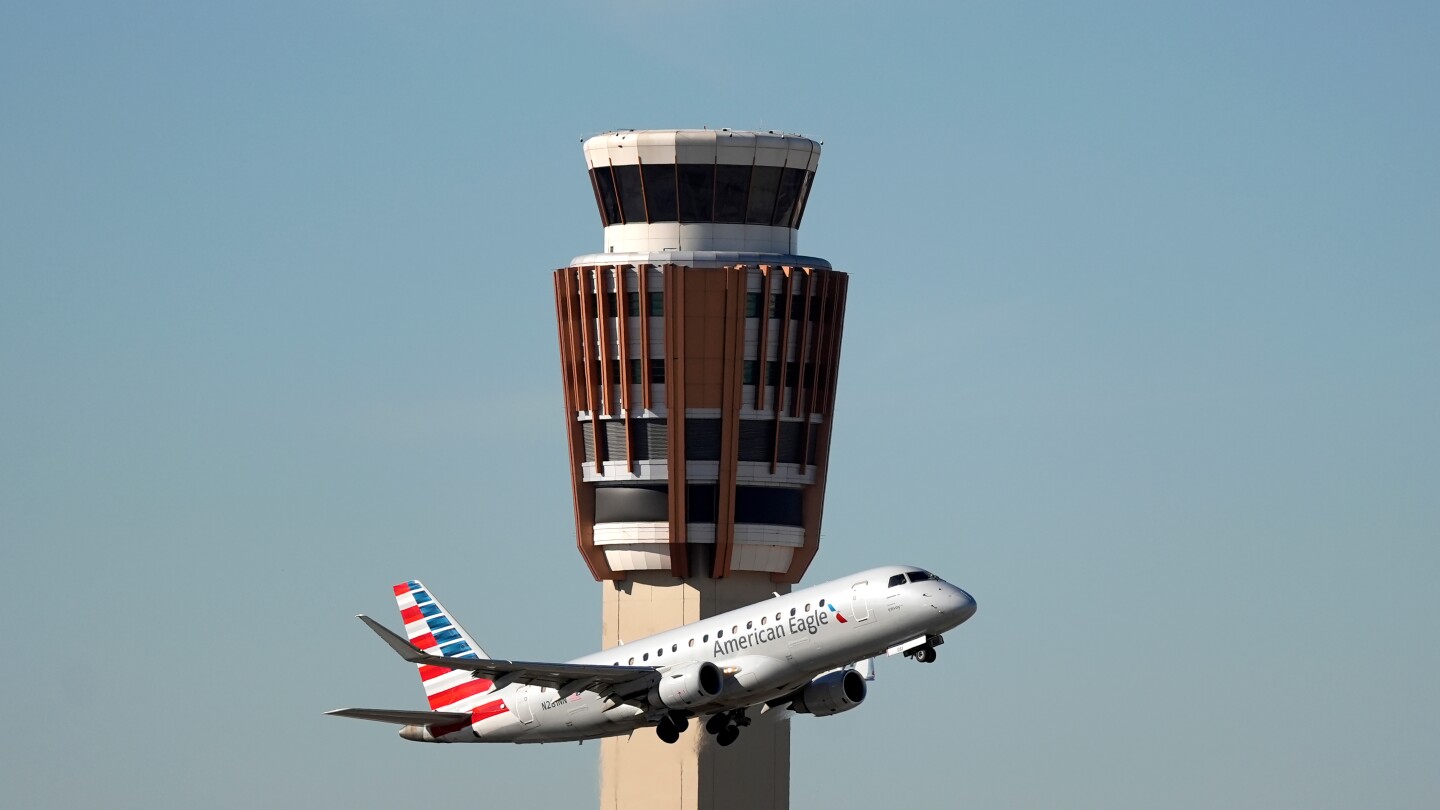
The United States is embarking on a crucial, multi-billion dollar overhaul of its aging air traffic control system, a project that’s gained significant momentum recently. This modernization effort, desperately needed to avoid disruptions and accommodate future technologies like drones and flying taxis, has now been entrusted to Peraton, a company with a growing presence in government technology but comparatively limited direct experience with the Federal Aviation Administration (FAA). The decision, announced by Transportation Secretary Pete Buttigieg, aims to deliver substantial improvements within the next three years. This comprehensive guide dives into the details of this vital air traffic control system modernization, exploring its necessity, the chosen contractor, the timeline, and potential challenges.
A Critical Need for Modernization
The current air traffic control infrastructure, while functional, is increasingly showing its age. Recent technical glitches, including radar outages at Newark Liberty International Airport, vividly demonstrated the system’s vulnerability. These incidents led to hundreds of flight cancellations and delays, highlighting the urgent need for upgrades. Furthermore, the system relies heavily on outdated technologies like copper wiring and floppy disks, making it susceptible to failures and hindering its ability to handle the growing demands of air travel. The beginning of this year saw a near-disaster in Washington D.C., with a plane colliding with a military helicopter, resulting in 67 fatalities. This tragic event underscored the potential consequences of a failing system.
The FAA recognizes the necessity of this upgrade, not just to address current issues but also to prepare for the future of aviation. The increasing prevalence of unmanned aerial vehicles (drones) and the anticipated introduction of flying taxis will place unprecedented demands on the air traffic control network. Without significant improvements, the system risks becoming overwhelmed, leading to increased delays, safety concerns, and economic repercussions.
Peraton Selected for the $31.5 Billion Project
Despite competition from established players like Parsons, which boasts extensive experience with the FAA, the government chose Peraton to lead the modernization effort. Secretary Buttigieg expressed hope that Peraton’s “innovative approach” will accelerate the completion of upgrades within President Trump’s remaining term. A $12.5 billion initial funding tranche has already been approved by Congress following the recent technical issues. Estimates suggest a total cost nearing $20 billion beyond this first allocation.
The decision to award the contract to Peraton has raised some eyebrows, given its relative lack of direct history with the FAA. However, Peraton argues that its fresh perspective could be an advantage, allowing it to bypass established practices that may have contributed to past failures. They emphasized their ability to quickly establish contracts with other companies, a process potentially streamlined compared to the FAA’s internal procedures.
Accelerated Timeline: A Bold Ambition
This modernization push follows the failed promises of the NextGen initiative, which was launched in the early 2000s with similar goals but ultimately fell short of its projections despite a $36 billion investment. The current administration had initially estimated that a complete overhaul could take over a decade. Peraton, however, is targeting a much more aggressive three-year timeframe for substantial progress.
According to John Rose, a senior risk consultant at ALTOUR, this timeline is “extremely ambitious” but potentially achievable. He suggests focusing on building the “foundation” of a modern network first, leaving more advanced features to be added later. He compares the process to updating an iPhone, where core infrastructure is updated before adding new applications and functionalities. This phased approach could offer a more realistic path to success within the specified timeframe.
Peraton’s Experience & Concerns About Implementation
While new to direct FAA work, Peraton is no stranger to large-scale government technology projects. The company has successfully completed billions of dollars worth of contracts with the Department of Homeland Security, US Special Operations Command, and the National Park Service, among others. Peraton is owned by Veritas Capital, a private equity firm, which means it doesn’t have public shareholders. Its advisory board consists of former military and intelligence officials, bringing a wealth of strategic and operational expertise.
However, concerns remain regarding the speed of implementation and the potential for errors. Stephen Kramer, president of the National Air Traffic Controllers Association, pointed to recent workforce reductions at the FAA under the Trump administration and early retirements as reasons why external assistance is necessary. He believes Peraton’s ability to quickly award subcontracts is crucial, but also acknowledges the inherent risk of fast-paced implementation. He expressed confidence that existing safeguards within the system would minimize waste, fraud, and abuse.
Ongoing Improvements & Future Steps
The FAA has already made strides in upgrading the air traffic control infrastructure. Over a third of the outdated copper wiring has been replaced with fiber optic cables and modern connections. New systems to help controllers track aircraft on the ground have also been installed in 44 airports.
The next phase includes installing over 27,600 new radios and 612 new radar systems, upgrading thousands of additional facilities, and constructing six new air traffic control centers.
Ultimately, the success of this project will determine the future of air travel in the United States. The need for a modernized, resilient, and future-proof air traffic control system is undeniable. The coming years will be critical in assessing whether Peraton can deliver on its promises and provide a safer, more efficient air travel experience for all Americans.