


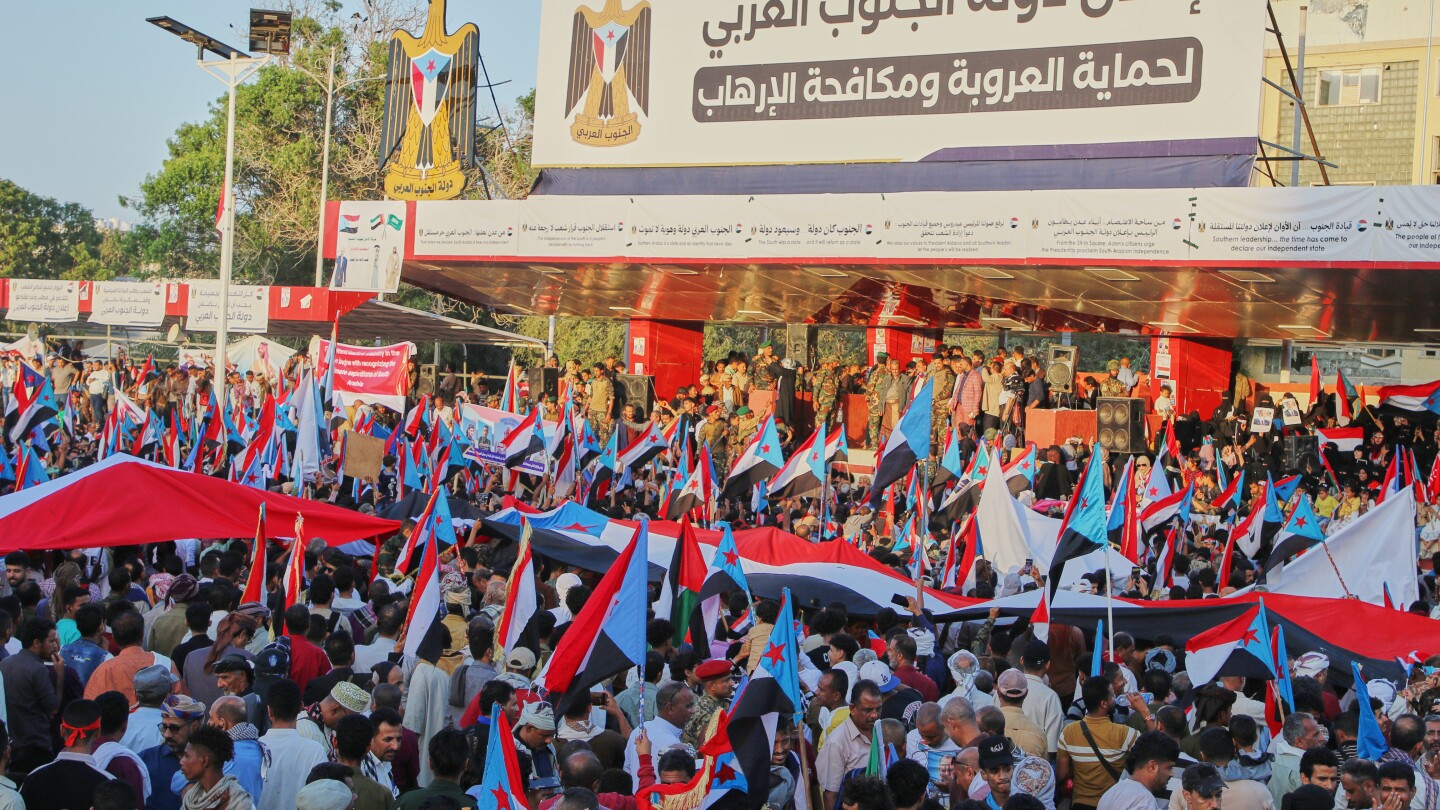
The situation in Yemen remains deeply complex, with recent developments highlighting tensions within the Saudi-led coalition and escalating concerns about regional stability. On Thursday, Saudi Arabia called for the withdrawal of Emirati-backed Southern Transitional Council (STC) forces from the Yemeni provinces of Hadramout and Mahra, a move that threatens to fracture the already fragile alliance fighting against the Iran-aligned Houthi rebels in the north. This call for withdrawal underscores the growing pressure on the relationship between Saudi Arabia and the United Arab Emirates, and the potential for further instability in the region. The core issue revolves around the future of اليمن (Yemen) and the competing visions for its governance.
Saudi Arabia Urges STC Withdrawal from Southern Yemen
The Saudi Foreign Ministry statement explicitly criticized the actions of the Southern Transitional Council, stating they had led to “unjustified escalation” that harmed all segments of the Yemeni people and undermined the Southern cause and the coalition’s efforts. Saudi Arabia continues to support the internationally recognized Yemeni government and its forces, including the National Shield forces, in the ongoing conflict against the Houthis. The statement emphasized the importance of cooperation and restraint among all Yemeni factions to avoid actions that could jeopardize security and stability.
This public pressure on the STC, a long-time proxy for the UAE, signals a shift in Saudi strategy. Previously, Saudi Arabia largely tolerated the STC’s growing influence in the south, focusing primarily on the fight against the Houthis. However, the STC’s expansion into Hadramout and Mahra, resource-rich provinces, appears to have crossed a red line for Riyadh. Local authorities in Hadramout have already voiced their support for the Saudi announcement, calling for the STC forces to return to their previous locations.
Escalating Tensions and Regional Implications
The move comes amidst increasing displays of Southern separatist sentiment, with STC supporters openly raising the flag of the former South اليمن (Yemen), which existed as an independent state from 1967 to 1990. Demonstrations in Aden, the interim capital of the Yemeni government, have shown strong support for renewed Southern independence.
The situation is further complicated by the broader geopolitical context. The relationship between Saudi Arabia and the UAE, while generally close, has seen increasing competition over influence and international business opportunities in recent years. This rivalry is also playing out in Sudan, where both countries are backing opposing sides in the ongoing civil war. The potential for further conflict in اليمن (Yemen) risks drawing in these external actors and exacerbating regional instability.
US Involvement and Houthi Response
Meanwhile, the Houthi rebels have been facing increased pressure from the United States. They recently buried four of their fighters, including a key commander responsible for missiles and drones, reportedly killed in the first round of US airstrikes in March. While the Houthis deny receiving weapons from Iran, evidence of Iranian-made arms on the battlefield and in intercepted shipments continues to surface, despite the UN arms embargo.
The US has been actively involved in supporting the Saudi-led coalition with intelligence and weaponry since its intervention in 2015, following the Houthi takeover of Sanaa. Earlier this year, Washington launched a series of intensive airstrikes targeting Houthi infrastructure. The Biden administration has continued these strikes, utilizing B-2 bombers to target what it describes as underground facilities used by the Houthis. This increased US involvement suggests a growing concern about the Houthis’ attacks on shipping in the Red Sea, which have significantly disrupted regional trade, particularly during the Israel-Hamas conflict.
The Humanitarian Crisis Deepens
Years of relentless fighting have brought اليمن (Yemen) to the brink of collapse, creating one of the world’s worst humanitarian crises. Over 150,000 people have died in the war, including combatants and civilians, and tens of thousands more have succumbed to starvation and disease. The conflict has devastated the country’s infrastructure and economy, leaving millions in need of assistance. The disruption of shipping in the Red Sea, due to Houthi attacks, further exacerbates the situation by hindering the delivery of vital aid.
Looking Ahead: The Path to Stability in Yemen
The current situation demands a renewed focus on de-escalation and inclusive political dialogue. The Saudi call for the STC to withdraw is a positive step, and ongoing mediation efforts are crucial to achieving a peaceful resolution. However, the underlying issues of power-sharing, regional autonomy, and the future of اليمن (Yemen) must be addressed in a comprehensive manner.
Increased instability in Yemen could potentially draw the United States back into a more direct role in the conflict. The recent US airstrikes demonstrate a willingness to protect its interests and those of its allies in the region. Ultimately, a lasting solution to the Yemeni crisis requires a commitment from all parties to prioritize the needs of the Yemeni people and work towards a future of peace and prosperity. The international community must continue to provide humanitarian assistance and support efforts to find a political settlement that addresses the root causes of the conflict.