


The world of college sports is undergoing a dramatic transformation, largely fueled by the introduction of Name, Image, and Likeness (NIL) rights for student-athletes. Recent developments, however, suggest a growing concern over the potential for these deals to spiral out of control, particularly with the rise of the transfer portal and lucrative offers being made to players. Just hours before a crucial college football playoff semi-final game, the governing body issued a stark warning about the legality and fairness of some of these arrangements.
تحذير من لجنة الرياضة بالكلية بشأن صفقات NIL
In a late-Friday night memo, the Collegiate Commissioners Association (CSA) expressed “serious concerns” regarding multi-million dollar contracts being presented to athletes. This “reminder” was sent to athletic directors as a high-stakes game between Indiana and Oregon was about to begin, a game overshadowed by reports of players securing seven-figure NIL deals to transfer schools or remain with their current teams. The CSA emphasized that third-party agreements leveraging a player’s name, image, and likeness (NIL) must be evaluated after they are entered into the NIL Go portal, and each deal assessed on its own merits.
The memo explicitly states that pre-emptive promises of NIL funds are problematic. “Offering promises of NIL money to a third party now and figuring out how to fulfill those promises later leaves student-athletes vulnerable to deals not materializing, promises not being kept, and jeopardizing eligibility,” it reads. This highlights a key issue: the potential for these deals to become mere inducements for athletes to transfer, rather than legitimate compensation for their NIL activities.
دور بوابة NIL Go في الرقابة
The CSA is tasked with overseeing NIL compliance through its NIL Go portal. This system is intended to ensure that all deals are commercially viable and offer fair compensation for the services provided by the athlete. Essentially, it acts as a check against arrangements that are thinly veiled attempts to circumvent regulations and establish “pay-for-play” scenarios.
However, as the recent memo indicates, the system is facing challenges. Schools are allowed to share revenue directly with their players, up to a combined total of $20.5 million. When this isn’t enough to retain or attract talent, third-party “collectives” – often companies established with the explicit aim of supporting a particular school’s athletes – have stepped in to offer additional compensation, effectively functioning as a workaround for a salary cap.
قضية ديموند ويليامز جونيور: مثال على التعقيدات
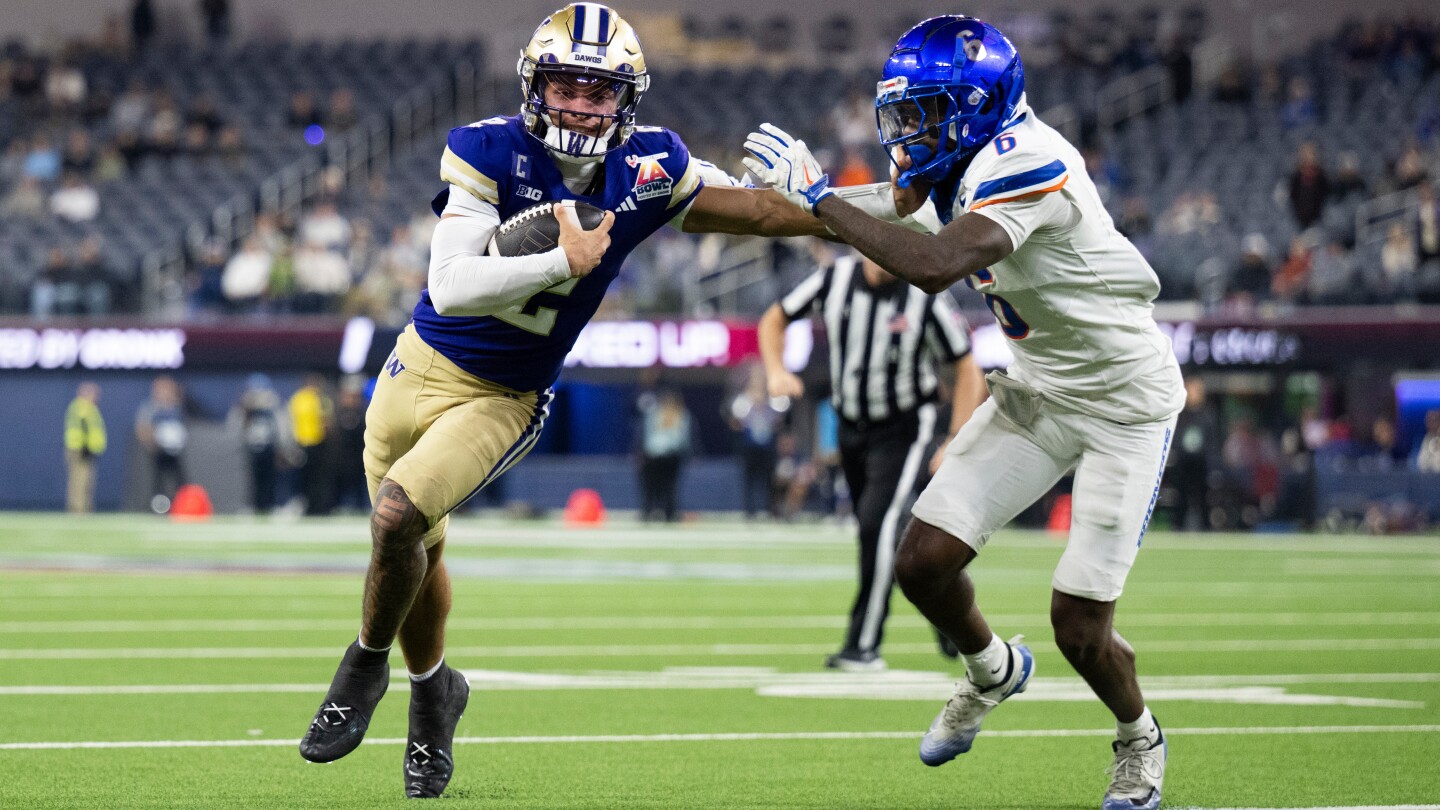
The case of Washington quarterback Demond Williams Jr. perfectly illustrates the complexities currently plaguing college sports. Initially, Williams entered the transfer portal after reportedly being offered a $4 million NIL deal with Washington’s rival. This triggered legal threats and ultimately led him to reconsider his decision, remaining with the Huskies. This incident is a clear example of how NIL deals are influencing player movement and the potential for competitive imbalance.
The CSA’s memo specifically targets certain types of agreements designed to sidestep regulations. These include what are termed “agency agreements” and “services agreements”, which appear to be attempts to disguise pay-for-play offers. The committee clarified that simply changing the language on a contract will not affect its legal analysis. “If an entity agrees to pay an athlete a sum of money for not opting out, the agreement must be reported to NIL Go within the reporting deadline,” the memo stressed.
Further, the CSA cautioned against “stockpiling” NIL rights by paying for them upfront without a defined usage plan, a practice that allows for greater flexibility – and potentially, abuse.
مستقبل صفقات NIL والتحويلات الجامعية
The CSA’s intervention signals a tightening of scrutiny around NIL deals and player transfers. While the organization hasn’t provided specific examples of disapproved contracts, its concern is evident. The current situation creates a challenging environment for athletic departments striving to maintain compliance and ensure fair competition.
The push for greater regulation is understandable. The unregulated flow of money could fundamentally alter the landscape of college athletics, shifting the focus away from academics and athletic achievement towards financial incentives. This could widen the gap between well-funded programs and those with fewer resources, leading to a less competitive and potentially unsustainable system.
Ultimately, the goal is to find a balance that allows student-athletes to benefit from their NIL rights while preserving the integrity of college sports and maintaining a level playing field. The CSA’s recent actions demonstrate a commitment to achieving that balance, but the path forward remains uncertain as the world of college athlete compensation continues to evolve rapidly.
For the latest AP Top 25 poll alerts and College Football updates, visit: https://apnews.com/hub/ap-top-25-college-football-poll and https://apnews.com/hub/college-football