






The British Conservative Party is once again navigating turbulent waters, a familiar state for the party that has held power since 2010 but suffered a devastating electoral defeat two years ago. Recent events, culminating in the expulsion and subsequent defection of a prominent figure, highlight the deep divisions and instability within the party. This article delves into the latest crisis, the implications for the upcoming elections, and the rise of the Reform UK party, examining how these factors are reshaping the British political landscape. The central issue driving this turmoil is the growing dissatisfaction with the حزب المحافظين (Conservative Party) and its direction.
انشقاق يزلزل حزب المحافظين (A Defection Shakes the Conservative Party)
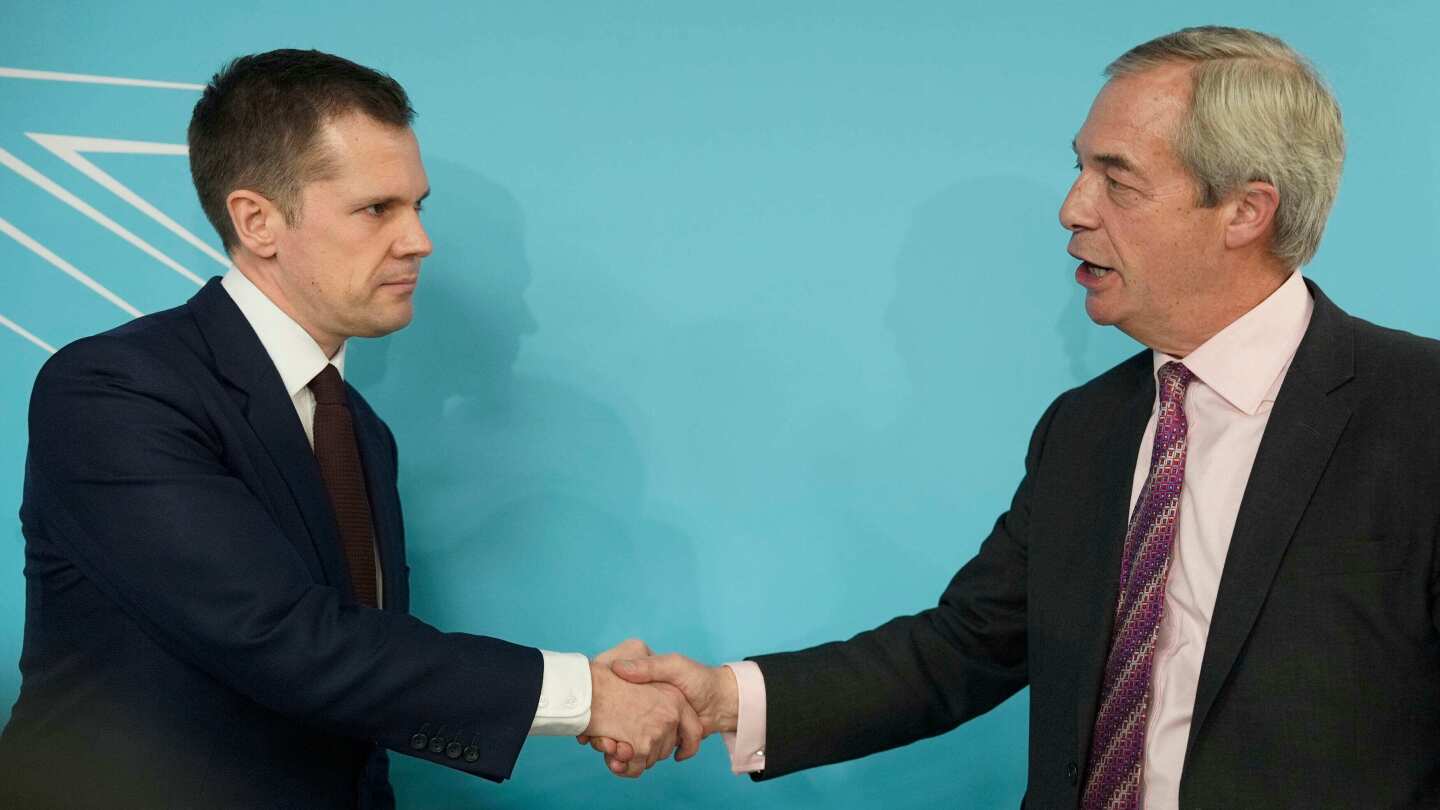
The drama unfolded on Thursday with the dismissal of Robert Jenrick, a key voice within the Conservative Party, by its leader Kemi Badenoch. The official reason cited was “compelling evidence” that Jenrick was secretly planning to defect to the newly formed, right-wing Reform UK party. True to the accusations, Jenrick swiftly confirmed his departure, announcing his decision at a press conference alongside Nigel Farage, the leader of Reform UK.
Jenrick’s explanation for leaving was scathing. He accused the Conservatives of having “betrayed their voters and members,” and of being “in denial or dishonest” about its performance on critical issues like the economy and, crucially, immigration. He expressed hope for change after the previous election, stating, “I hoped the Conservative Party would change, would humbly account for its mistakes, and repent.” However, he concluded that this hope was “naive” and ultimately unfulfilled.
إصلاح المملكة المتحدة: قارب النجاة أم مجرد بديل؟ (Reform UK: A Lifeboat or Just an Alternative?)
Jenrick’s move is part of a larger trend of Conservative politicians joining Reform UK, a party positioning itself as a staunch advocate for stricter immigration controls. Unlike previous defectors who lost their parliamentary seats in the 2024 elections, Jenrick remains a sitting Member of Parliament. This defection brings Reform UK’s total representation in the House of Commons to six out of 650 seats, while the Conservatives currently hold 118.
However, the opposition Labour Party, led by Keir Starmer, dismisses Reform UK as a refuge for failing Conservative politicians lacking a future within their original party, referring to the Conservatives as a “sinking ship.” This narrative aims to discredit the Reform UK party and portray it as opportunistic rather than a genuine alternative. The increasing support for Reform UK, despite its limited parliamentary presence, is a significant development, particularly as it is now leading both the ruling Labour Party and the Conservatives in opinion polls ahead of the upcoming elections on May 7th, including parliamentary elections in Scotland and Wales. Farage has indicated the door remains open for further Conservative defections, but will close on election day, effectively making it a mid-term election equivalent to the US.
بادينوش تحاول السيطرة على الوضع (Badenoch Attempts to Control the Situation)
Kemi Badenoch’s decision to publicly dismiss Jenrick was a calculated move. She stated the expulsion was necessary due to “irrefutable evidence” of a secret defection plan designed to inflict maximum damage on the party. Badenoch hopes this decisive action will bolster her position as Conservative leader and win back supporters who have drifted towards Reform UK. She even directly challenged Nigel Farage, suggesting he would struggle to keep Jenrick aligned with his party’s agenda. “All I would say to Nigel is Rob is no longer my problem,” she declared. “He’s yours.”
By removing Jenrick, Badenoch has transformed an internal rival into an external opponent. Some Conservatives welcomed his departure, accusing him of plotting against the party leader and pushing the Conservatives further to the right. Jenrick, since losing the party leadership contest, had become a prominent voice on immigration, actively building his online presence through engaging videos, including one showing him confronting fare dodgers on the London Underground. This focus on immigration resonated with a segment of the electorate, but also created friction within the Conservative Party. The الانتخابات القادمة (upcoming elections) are looming large, and this internal strife is unlikely to help their cause.
تاريخ من الاضطرابات (A History of Turmoil)
The Conservative Party is no stranger to internal conflict, having seen six leaders in the past decade, five of whom have also served as Prime Minister. Widespread anger over this instability contributed to their heavy electoral defeat in 2024, the worst since the party’s modern formation nearly 200 years ago.
Since taking over from Jenrick as Conservative leader in late 2024, Badenoch, a proponent of small government and lower taxes, has yet to make a significant impact on the country. However, she has made a more favorable impression in recent weeks, particularly during her weekly clashes with Keir Starmer in the House of Commons. The الوضع السياسي (political situation) remains incredibly fluid.
استراحة لستارمر (A Respite for Starmer)
For Keir Starmer and the Labour Party, Jenrick’s defection provides a welcome distraction from the scrutiny of their own government’s performance. Starmer, whose approval ratings have declined following a series of missteps since the general election, questioned why Badenoch had taken so long to dismiss Jenrick, given the widespread speculation about his intentions.
The conflict between the Conservatives and Reform UK on Thursday appears to have extinguished any possibility of a right-wing alliance before the next general election, which must be held by 2029. This division on the right is likely to benefit the Labour Party, splitting the conservative vote and increasing their chances of success. The المعارضة (opposition) is keen to capitalize on the Conservative Party’s disarray.
In conclusion, the Conservative Party is facing a critical juncture. The defection of Robert Jenrick, coupled with the rising popularity of Reform UK, underscores the deep-seated divisions within the party and the growing dissatisfaction among its traditional supporters. As the UK heads towards a series of important elections, the future of the Conservative Party – and the direction of British politics – hangs in the balance. The events of this week serve as a stark reminder of the fragility of political power and the importance of addressing the concerns of the electorate.


