






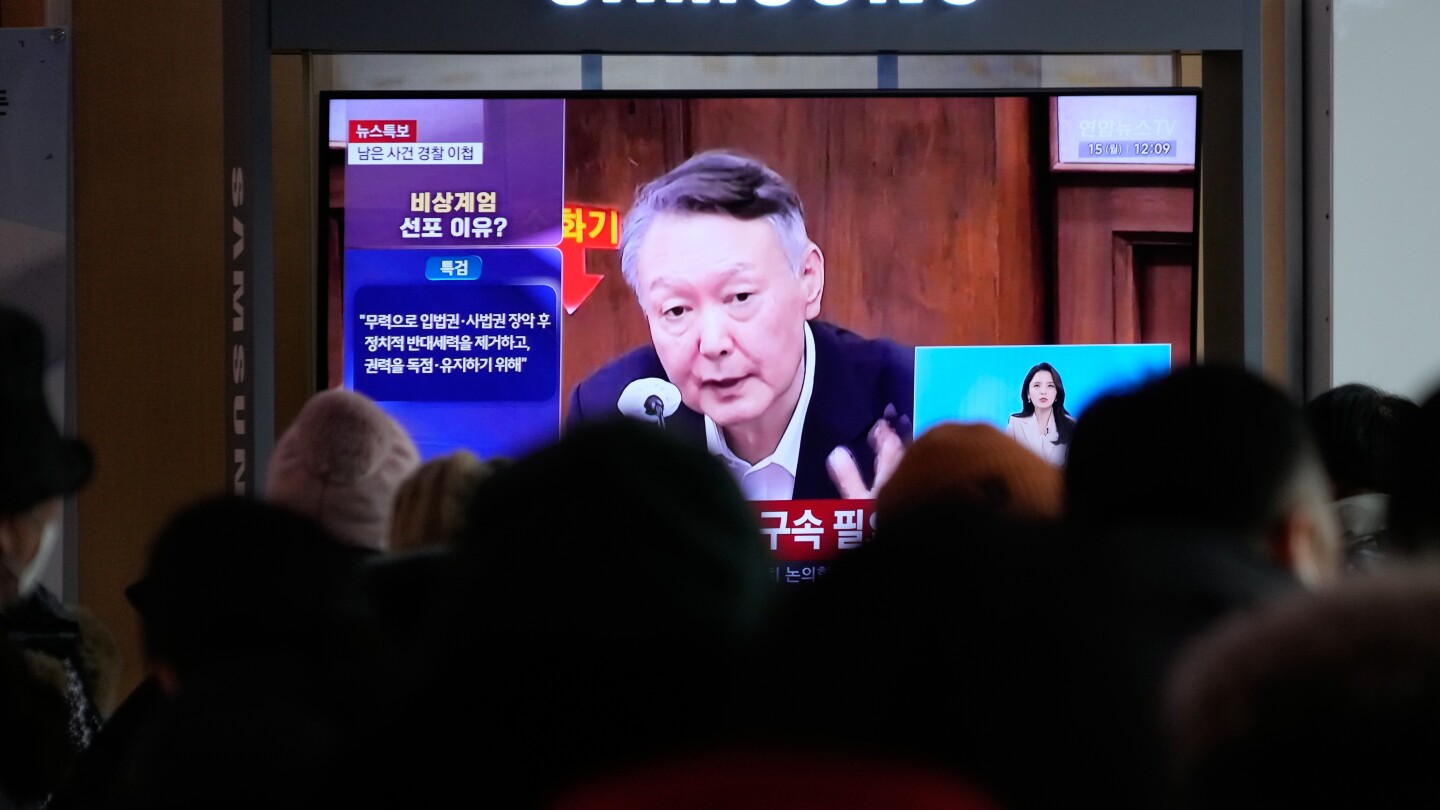
The recent events unfolding in South Korea have sent shockwaves through the political landscape. Former President Yoon Suk-yeol has been implicated in a conspiracy to seize power through the imposition of martial law, a move that ultimately led to his downfall and a national crisis. This article delves into the details of the investigation, the accusations leveled against Yoon and his allies, and the ongoing fallout, including a separate corruption scandal involving the Unification Church. The core of the matter revolves around attempts to undermine democratic institutions and the alleged deliberate orchestration of tensions with North Korea to justify the الأحكام العرفية (martial law).
خطة دقيقة لفرض الأحكام العرفية (A Detailed Plan to Impose Martial Law)
Independent Counsel Cho Eun-sook revealed a six-month-long investigation uncovering a plot by Yoon and his military associates dating back to October 2023. The plan wasn’t a spontaneous reaction but a calculated scheme to circumvent legal and constitutional processes. It involved strategically replacing key military personnel with loyalists and holding private dinners designed to solidify support within the armed forces for the impending implementation of الأحكام العرفية.
The investigation alleges Yoon and his allies orchestrated provocations against North Korea, initiating various military operations beginning in October 2024, despite a lack of meaningful response from Pyongyang. This calculated escalation was, according to Cho, aimed at creating a pretext for declaring a state of emergency and justifying the suppression of dissent.
“Yoon Suk-yeol… attempted to declare martial law through inciting military provocations by North Korea, but that plan failed,” stated Cho. The goal, she elaborated, was not national security, but rather the ‘elimination of anti-state forces’ and consolidating Yoon’s power by controlling the legislative and judicial branches.
محاولات إسكات المعارضة (Attempts to Silence the Opposition)
The accusations extend beyond simply declaring martial law. Reports surfaced during the investigation detailing Yoon’s hostile rhetoric towards political opponents. He allegedly referred to a key rival, Han Dong-hoon, as “communist” and menacingly stated, “I will shoot him to death” during meetings with military generals. This underlines the depth of the animosity and willingness to utilize extreme measures against those challenging his authority.
These statements, coupled with the evidence of pre-planned military maneuvers, paint a concerning picture of a leader determined to suppress opposition at any cost. This underscores the fragility of الديمقراطية (democracy) and the lengths some will go to defend their positions.
الانهيار السريع وعزل الرئيس (The Rapid Collapse and Impeachment of the President)
Yoon’s attempt to impose martial law on December 3, 2024, was short-lived, lasting only a few hours. Hundreds of troops were deployed around the National Assembly and Election Commission offices. However, the move sparked immediate and widespread public outcry. Thousands of protestors converged on the assembly grounds, demanding Yoon’s resignation.
Legislators, managing to enter the building, swiftly voted against the decree. A subsequent vote in December led to Yoon’s impeachment, suspending his powers and handing his fate over to the Constitutional Court. In April, the court formally removed him from office. This swift condemnation highlights the strength of democratic institutions in South Korea and their ability to check executive overreach.
Following the impeachment, Lee Jae-myung, the Democratic Party’s candidate, won a snap presidential election in June. He immediately appointed three independent counsels to investigate the martial law decree, as well as allegations of corruption involving Yoon, his wife, and their associates. Currently, Yoon and 23 others, including former Defense Minister Kim Young-hyun, Prime Minister Han Duck-soo, and Deputy Prime Minister Choi Sang-mok, face charges related to the attempted imposition of الأحكام العرفية. Several generals are also facing military prosecution.
فضيحة كنيسة التوحيد تتصاعد (The Unification Church Scandal Escalates)
Adding another layer of complexity to the situation is a burgeoning corruption scandal involving the Unification Church. Yoon’s wife, Kim Keon-hee, has been separately indicted for allegedly receiving bribes through an intermediary from a church official seeking business favors.
Police raids have targeted multiple Unification Church facilities, including its headquarters in Seoul and the sprawling Gapyeong complex. The investigation is expanding to include accusations that the church provided financial contributions and gifts to a wide range of politicians, reportedly including members of the Democratic Party.
Former Oceans and Fisheries Minister Chun Jae-soo, as well as former Democratic Party lawmakers Lim Jong-seong and Kim Kyo-hwan, have also had their homes and offices searched as part of the bribery probe. Chun has denied the allegations but resigned from his position, stating he did not want to be a burden on the Lee administration. President Lee has called for a thorough investigation into the alleged connections between politicians and the religious group, raising concerns about potential undue influence and الفساد (corruption).
In conclusion, the attempted imposition of martial law by former President Yoon Suk-yeol represents a serious threat to South Korea’s democratic values. The combination of a meticulously planned power grab, alleged provocations against North Korea, and a separate corruption scandal involving the Unification Church has shaken public trust and underscored the importance of strong institutions and accountability. The ongoing investigations and legal proceedings are crucial to ensuring justice and preventing future attempts to undermine the country’s hard-won الأحكام العرفية and protect the integrity of its democratic processes. Further updates on these critical developments will undoubtedly be closely followed both domestically and internationally.


